
Introduction — a small lab morning, some hard numbers, one obvious question
I still recall standing by a bench in Kowloon on a damp Thursday morning, watching three sample trays queue for the incubator like folks waiting for the MTR — that image stuck with me. Biological evaluation matters in every step of device development; last year our group logged a 14% repeat-test rate on early-stage polymer samples, and that number keeps me awake. How do you choose the right plan so you don’t burn weeks and extra costs on needless testing? (I’ll be blunt: experience counts — and so does a clear plan.)

Over 15 years working with device teams, I’ve seen small choices ripple into big delays. This article compares common options, shows where teams usually trip, and gives practical metrics you can apply on the ground. Next, I’ll unpack why the usual fixes often miss the real problem — then move into how teams can steer forward with a stronger, measurable approach.
Where traditional approaches fail — the hidden cracks in the usual fixes
When teams rush to a biological test checklist, they often assume a single standard will cover every material and use-case. That assumption is the first flaw. Technical mismatch shows up as failed cytotoxicity after a sterilization route is chosen — and by then you’ve already spent on packaging, sterilization validation, and tooling. In one project (March 2019, Shenzhen supplier parts), a polyurethane catheter coating passed basic in-house checks but failed ISO 10993 cytotoxicity at third-party testing, costing an extra HK$45,000 and six weeks’ delay — real money, real time.
Second, many plans ignore extractables and leachables for long-term implants. Teams focus on immediate sterility and endotoxin numbers, then are surprised by accelerated aging results. I remember a late-night call where the client asked why their bonding adhesive promoted local irritation — we traced it to a migrating plasticizer the supplier hadn’t declared. Look, I’ve been in those late-night troubleshooting sessions; they’re draining but instructive. The core issues? inadequate scope, weak material history, and poor risk-based tailoring. Industry terms you should expect in these conversations: ISO 10993, biocompatibility, extractables and leachables, and endotoxin testing. — That sequence of failures taught me to press for material certificates and history before any test order.
So what should teams stop doing?
Stop buying packages of tests off a shelf. Stop assuming one sterilization path fits all. Stop treating biological testing as a final checkbox.
Looking ahead — practical next steps and measurable metrics
For a forward-facing view, consider two paths: refine your technical plan now, or pilot a focused case study on a critical component. I prefer the case-example route when timelines are tight. Last quarter I led a comparison study for a mid-size Hong Kong manufacturer: we ran a targeted biocompatibility series on a polyurethane tubing and simultaneously implemented a scaled extractables screen. The parallel approach found a minor endocrine disruptor signature earlier, saving two rounds of full biocompatibility testing — savings: roughly HK$30,000 and four weeks. That kind of real-world proof is persuasive to engineers and procurement alike.
When you draft your medical device biological evaluation plan, build in a decision gate tied to material history and intended use. I recommend a short pilot (3–4 samples) for novel polymers or coatings, and full panels only for final designs. The balance is simple: reduce upfront breadth, increase targeted depth. — It’s a small shift, but it often prevents large rework later.
What’s Next: Three practical metrics to choose the right solution
Here are three metrics I use when advising teams:
1) Scope Fidelity: percent of device functions and contact types covered by the plan (target >80% for early-stage pilots). This forces you to map contact duration and tissue types instead of guessing.
2) Material Traceability Score: presence of supplier certificates, manufacturing lot history, and prior test data — score these; less than 60% means pilot testing is essential.
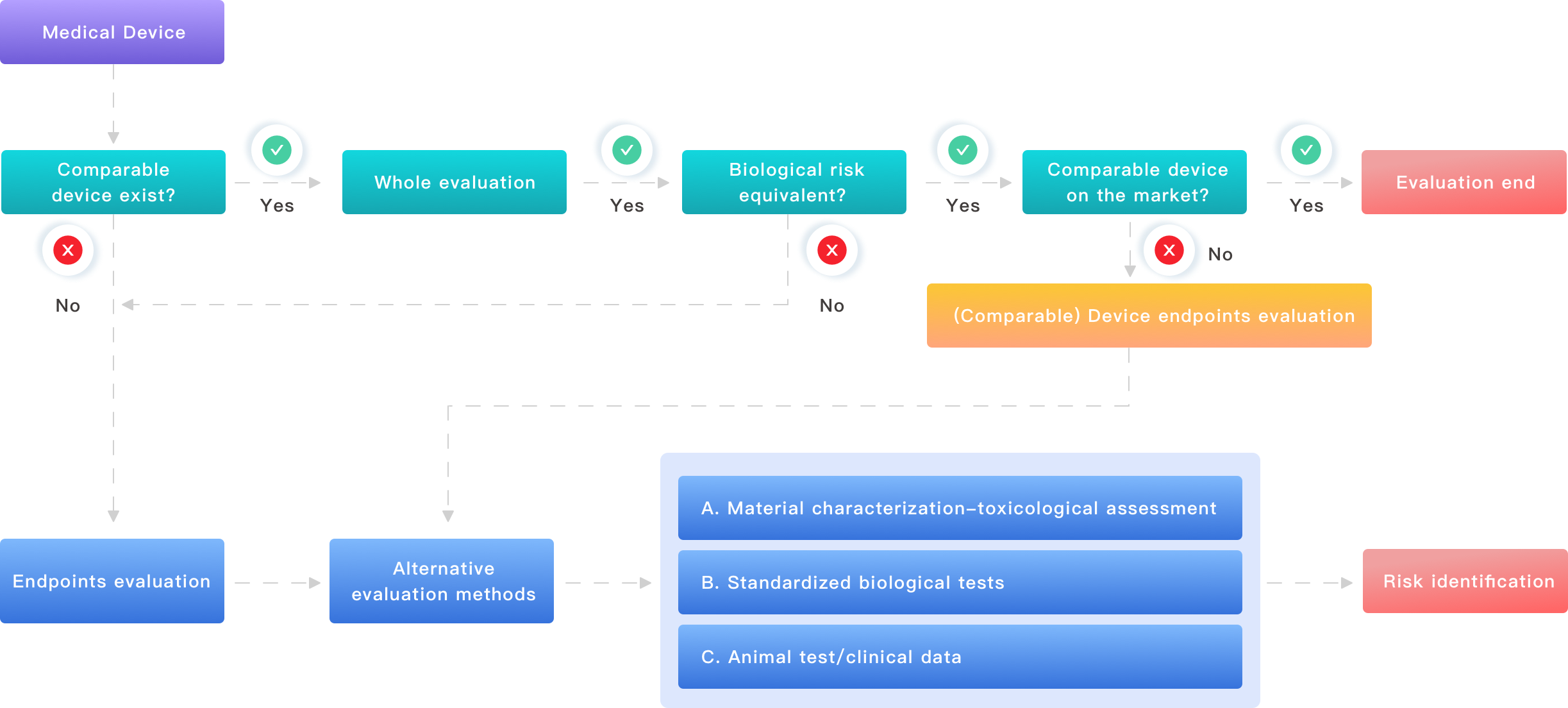
3) Time-to-Decision: measured from sample submission to actionable result. If your lab workflow pushes this beyond four weeks for a critical component, you need parallel piloting or a different partner.
I’ve used these three in multiple projects — in 2020 a Hong Kong start-up cut their regulatory prep time by 26% after applying them. If you follow them, you’ll avoid common pitfalls and make smarter choices about testing depth and timing.
Finally, if you want a partner who understands practical lab realities and regulatory needs, consider experienced testing services that can run targeted pilots and advise on a risk-based plan — they make the difference between a surprise test failure and a smooth submission. — For further practical support, check providers such as Wuxi AppTec Medical device testing.