
Introduction: Trail Reality Meets the Spec Sheet
I was behind a rider on a wet forest loop when the climb turned nasty and the chatter started. A 500cc quad should have breezed past the slick roots, yet the throttle felt choppy and the belt whined. Trail associations say mid-displacement ATVs make up a growing share of weekend rides, but incident reports still note abrupt stalls and heat-related downtime in tough climbs—about one in four on steep, slow trails, according to club tallies. Why does mid-class power still meet mid-ride frustration? The machines look balanced on paper (good torque, decent weight), but real conditions aren’t a brochure. The gap shows up in small details: cooling under load, steering effort after two hours, and how the CVT holds the torque curve at walking pace. Now, here’s the question: if specs say “capable,” what actually separates a smooth day from a strained one—especially when weather and terrain flip the script? Let’s unpack the quiet friction points before we compare what’s next.
Hidden Pain Points the Spec Sheet Won’t Show
Where do everyday riders get stuck?
Many decisions start with a 500cc quad bike that promises balanced power and value. On-paper, that’s true. But several user pain points live beneath the stats. First is thermal management. A CVT that’s fine on gravel can heat-soak on slow climbs, shifting the torque curve right when you need grip. EFI mapping may also feel jerky at low throttle, especially if the ECU isn’t tuned for micro-inputs in mud or snow. Add a basic differential lock with limited modulation, and it’s easy to light up a tire. Then there’s electrical headroom: a small stator plus heated grips, a winch, and LEDs can overwork the system if power converters and regulation are marginal. Look, it’s simpler than you think—the weakest link shows up first, and it cascades.
Ergonomics compound the issue. After two hours, manual steering with heavy knobbies can wear you down, making line choice sloppy. Suspension travel may look generous, but if damping is under-specified, the chassis chatters and the CVT slips more. Gear reduction helps crawl control, yet many stock calibrations prioritize top speed over clutch bite at 5–12 km/h. That’s great for a fire road, not for wet rock. Finally, maintenance access matters: if it’s hard to reach the belt cover and radiator fins, riders delay service—and performance ticks down ride by ride. The pattern is clear: small technical compromises add up under real loads, not showroom lights.
Comparative View, Forward Pace: Principles That Change the Ride
What’s Next
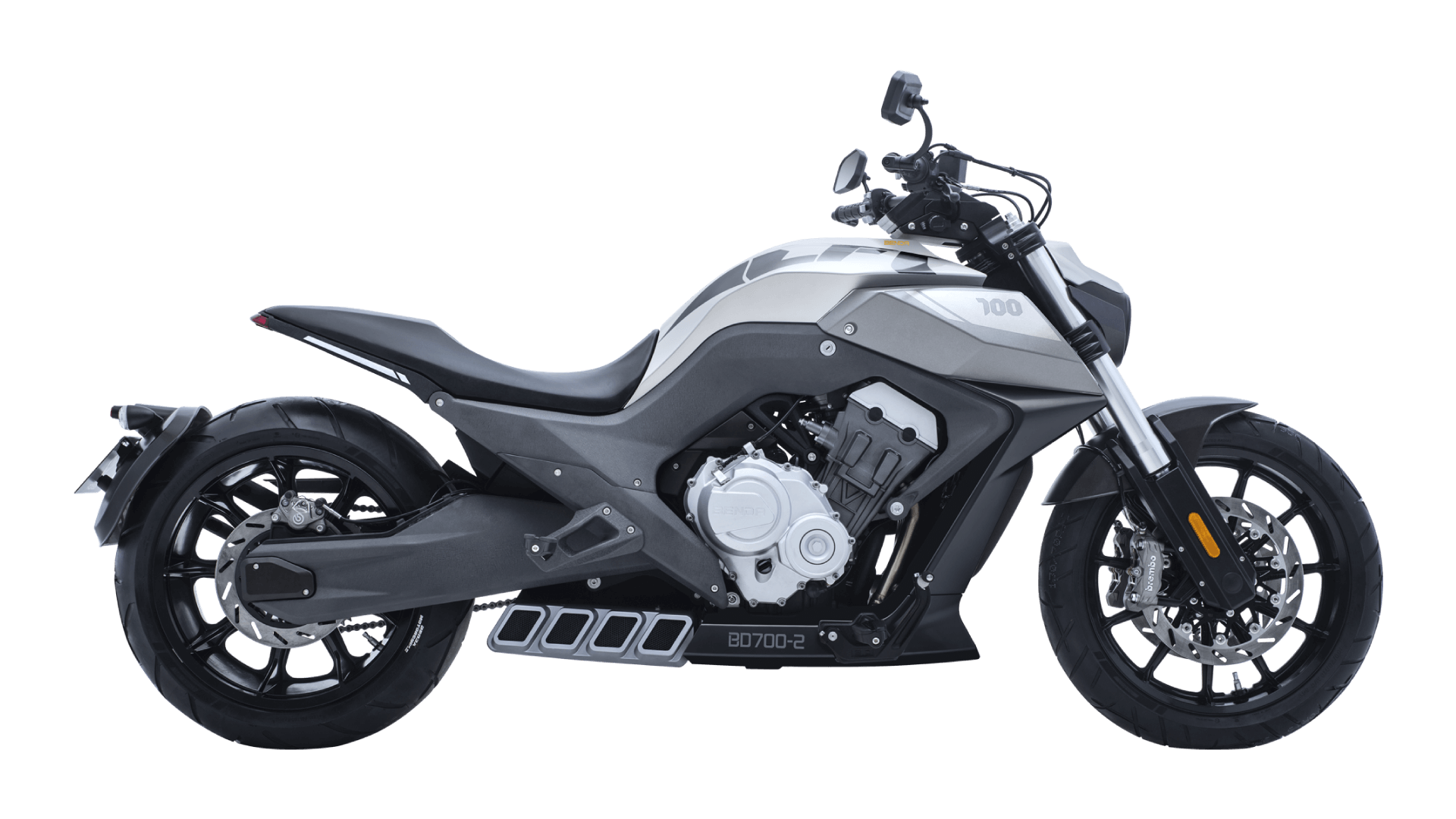
The next step for a mid-class ATV is not only more power; it’s smarter control. A practical upgrade path for a 500cc four wheeler—like this 500cc four wheeler—pairs refined calibration with tougher components. Start with the drivetrain. A CVT with reinforced belts, improved clutch faces, and a crawl-focused spring rate keeps the torque curve steady at low speed. Match that with ECU modes that soften throttle mapping below 15% input, then blend in a progressive differential lock you can feather. Cooling follows: a high-flow radiator, a brushless fan, and better shrouding keep belt and coolant temps in range, preventing heat fade. Add variable-assist EPS to reduce fatigue without dulling feedback—because control is traction. The electrical side matters too: a higher-output stator and stable DC-DC regulation keep winches, heated grips, and nav lights happy. Even modest CAN bus diagnostics help identify faults before they cost you a weekend—funny how that works, right?
The frontier is subtle but real. Lightweight edge computing nodes (think compact data loggers on the bars) can record CVT temps, RPM, and throttle position, then feed quick insights through a simple app. You ride, you see trends, you service smarter. These aren’t race toys; they’re tools for reliability. Compared with yesterday’s “set-and-forget” setup, the new principles stress fit-for-use: thermal headroom, low-speed control, and intelligent electrics. That addresses the pain points we outlined—heat, choppy throttle, steering fatigue—without turning the machine into a science project. Semi-formal take, distilled: choose calibration over hype, and components that hold line and temperature. Advisory close-out: evaluate three things before you buy or upgrade. 1) Thermal resilience under load—ask for fan duty cycle, CVT temp thresholds, and a slow-climb test. 2) Driveline tuning—look for crawl-oriented CVT calibration, ECU throttle maps, and usable gear reduction. 3) Electrical budget and ergonomics—verify stator output, power management, and EPS character after two hours of riding. Set those baselines, and your mid-class rig will feel like a bigger machine when it counts (and cost less to keep there). Thanks for reading—shared in the spirit of better rides, not sales—from BENDA.