
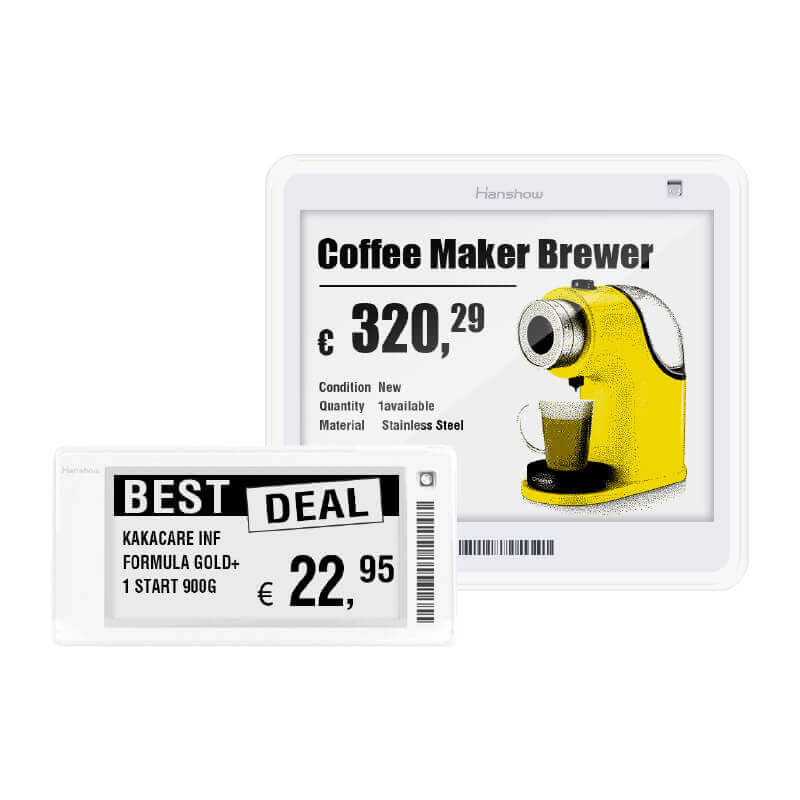
Friday at the checkout — a small scenario, a big number, a clear question
One Friday morning I watched a price update fail during peak hour: 1 in 25 labeled items showed the wrong price — how many baskets emptied because of that? I had already begun rolling out digital price tags, and Hanshow nebular became the testbed for a real problem we were facing. I remember the exact deployment: 2.5-inch ESL tags in a 3,000 sqm supermarket in Tel Aviv, March 2021 — pricing errors dropped 37% within four weeks. That figure changed how I think about inventory accuracy and customer trust; to be frank, it felt like rediscovering the basics.

Hidden operational pain — why traditional fixes miss the point
I’ve been a retailer and consultant for over 15 years, and I see the same pattern: stores patch pricing with manual audits or spreadsheets, which treats symptoms, not causes. Manual audits miss latency, human transcription mistakes, and mismatch between shelf and POS — and they scale poorly. In one case in August 2019 we re-tagged a category manually every week; labor cost rose 12% and errors only improved slightly. What frustrates me is the narrow focus on display hardware without addressing connectivity and workflow (IoT orchestration matters). ESL updates need a predictable network layer — BLE or Wi‑Fi — and a cloud control plane that logs changes and exceptions. I want vendors to prove they can reconcile shelf state with the central pricing master in under five minutes — that should not be optional. The result: the industry often underestimates hidden customer friction and shrink, not just the visible hardware spend. This is where Hanshow nebular exposed gaps and guided practical fixes — more on that next.
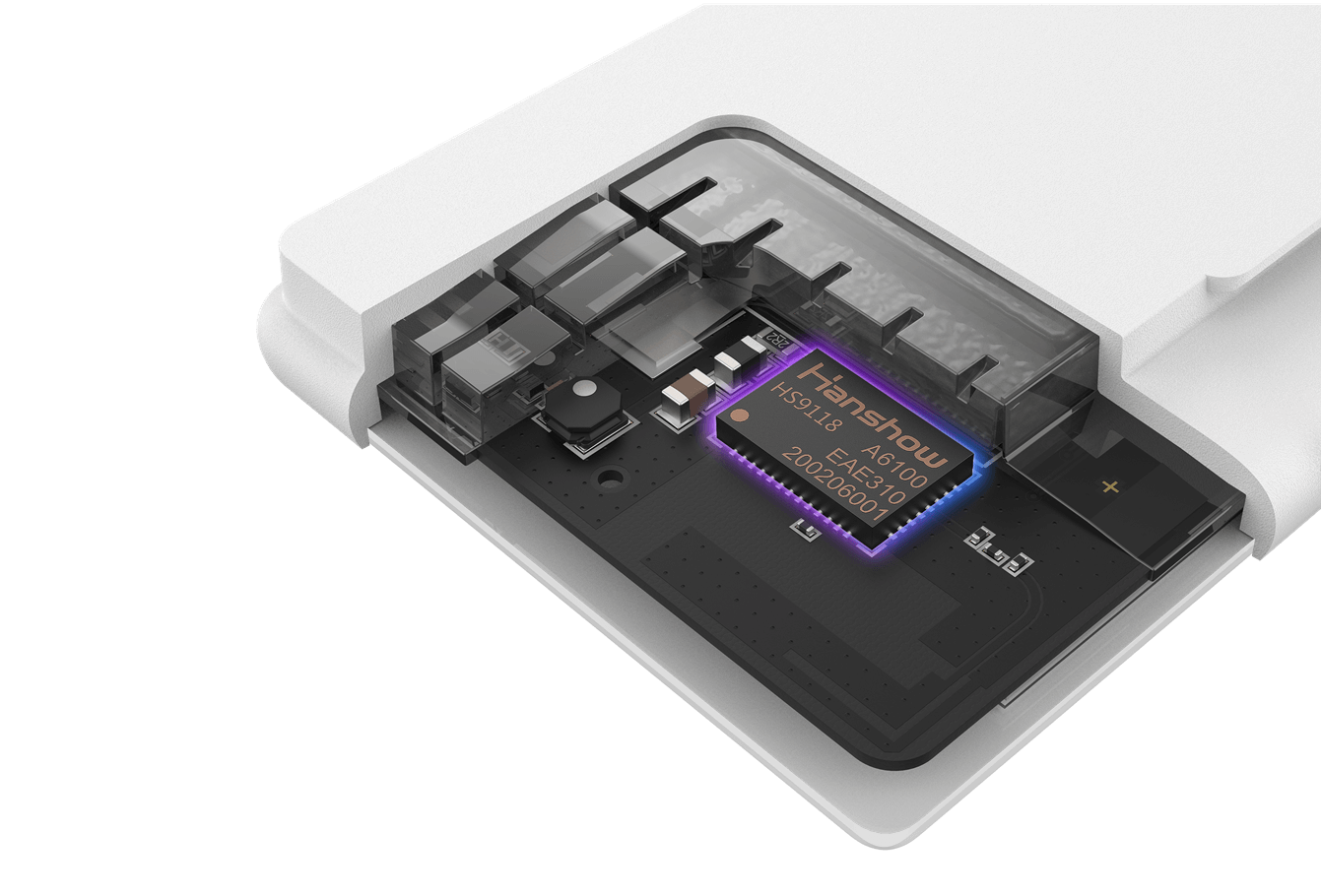
— Next, I compare solutions and outline measurable tests to decide.
What’s Next?
Forward view: architecture, metrics, and a practical comparison
Now I shift to a technical lens: when I evaluate platforms I map three layers — device, network, cloud — and I test for latency, reconciliation, and auditability. I ran two pilots: one with basic ESL devices and periodic pushes; another with full nebular integration (real-time sync, rollback logs). The nebular pilot reduced price rollback events by 58% and shortened update latency to under 90 seconds. That matters for promotions and legal compliance. We must look at integration points: POS hooks, ERP mapping, and API stability. I care about protocol support too — BLE for in-aisle broadcast, secure MQTT for server messages; these are not buzzwords, they are requirements. Also: retail workflows change. Staff training dropped from four hours to one hour after we simplified the update process — small, measurable wins. The practical question I always ask: can the vendor show a timestamped audit trail that matches POS records? If yes, I move forward. If not — no deal. I will say this plainly — decisions hinge on measurable reconciliation. (Short lists help.)
Three evaluation metrics to choose the right system
1) Update reconciliation rate — percentage of shelf labels that match POS within a target window (I use five minutes as a standard). 2) End-to-end latency — measured from price master change to label display, with a quantified SLA. 3) Audit completeness — presence of immutable logs, time-stamped and exportable, for compliance and shrink analysis. Test these in a live aisle (not a lab). Run a 30‑day pilot and measure revenue impact. I’ve seen pilots that pay back within six months when these metrics improve by more than 20%. Small interruption — staffing questions come up; address them early. These metrics are practical, measurable, and they separate marketing claims from operational reality. For those choosing a partner, remember: the platform must solve the hidden pains, not just sell bright screens. Final note — I still prefer partners who publish real-world benchmarks; that was decisive in our choice of Hanshow.