
Comparative lead-in and scope
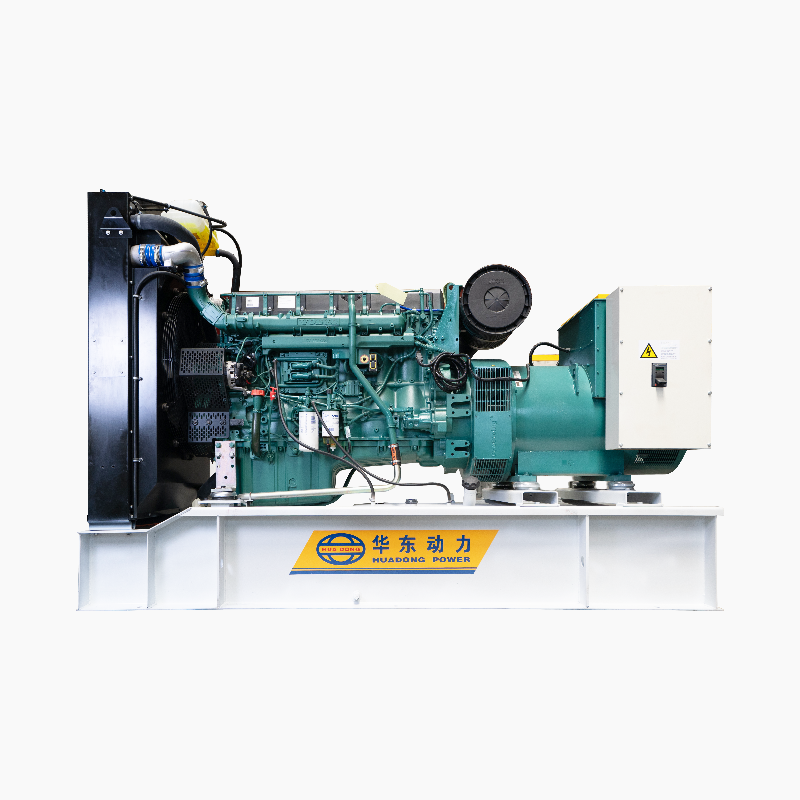
The immediate question for ship operators and port engineers is clear: when does a modern diesel genset outperform shore power and vice versa? This piece compares thermal efficiency, emissions control, and operational risk across options, focusing on pragmatic measures you can apply today. I reference recent port trials at the Port of Shanghai and the IMO 2020 sulphur cap (0.5% S) as anchors for regulatory context, and examine how an industrial genset integrates into hybrid setups. The analysis targets operators deciding between upgrading shipboard gensets and investing in shore-side infrastructure.
Performance metrics that matter
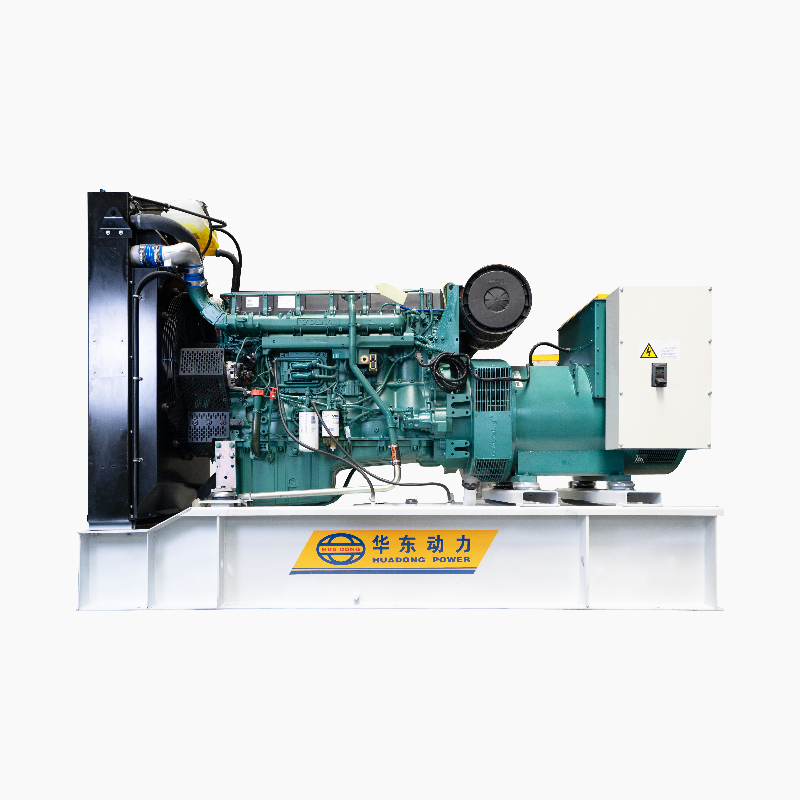
Compare on three concrete axes: specific fuel consumption, electrical output stability, and transient response. Specific fuel consumption maps directly to fuel cost per kWh; modern gensets with optimized injection maps and a calibrated engine control unit (ECU) can trim consumption by measurable margins. Alternator design and cooling affect output stability; a robust alternator with proper synchronization reduces voltage dips during load steps. Transient response matters most in variable-load profiles such as container cranes or hotel loads on passenger vessels.
Emissions, retrofits, and compliance
Regulatory constraints tilt choices. IMO 2020 lowered allowable fuel sulphur to 0.5%, pushing many operators to consider low-sulphur fuel or exhaust aftertreatment. Retrofitting SCR systems and particulate filters can bring older gensets within current NOx and PM expectations, but they add backpressure and maintenance complexity. Shore power removes combustion emissions from berths but shifts the burden to grid capacity and upstream generation—often coal in some regions. The pragmatic trade-off is clear: emissions controls on the genset keep vessel autonomy; shore power centralizes emissions but requires reliable grid and contractual arrangements.
Operational cost, downtime, and maintenance pitfalls
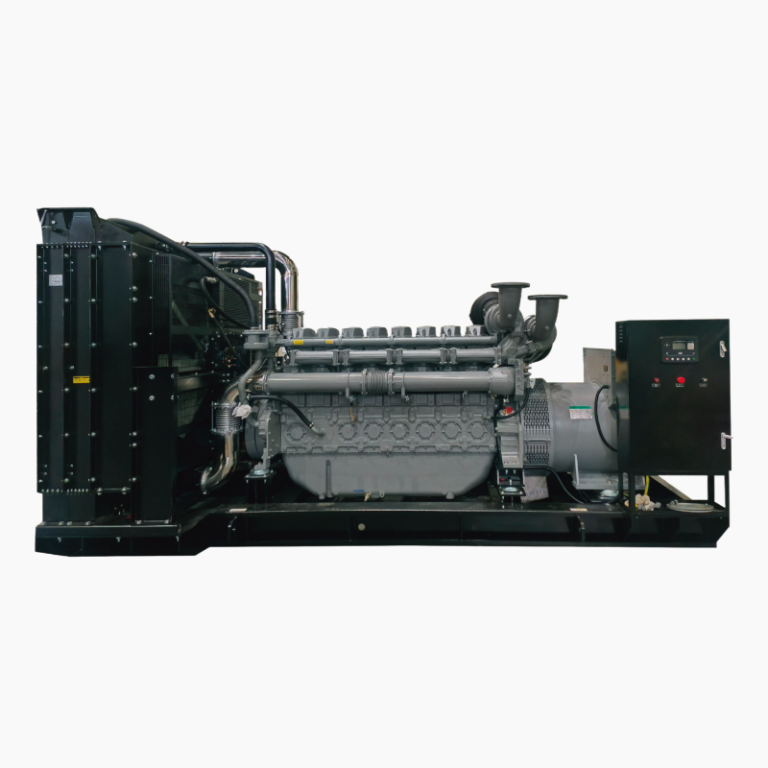
Calculate life-cycle cost, not just capital cost. Common mistakes include under-sizing both cooling systems and fuel filters, which increase fouling and unplanned outages. Load bank testing on a scheduled basis reveals weak cylinders and alternator imbalances before failure—do it quarterly or after major repairs. Keep spare ECU modules and a proven parts list; lead times from suppliers can exceed repair windows. Small decisions compound: a cheaper starter motor today can cost days of downtime later.
Supplier selection and the China manufacturing context
When evaluating vendors, check factory test reports, synchronization capability, and post-sale service coverage. Chinese production lines now deliver consistent quality at scale—this shows in shorter lead times for replacement alternator coils and lower-cost spare parts. For buyers focused on on-site support and matched documentation, consider suppliers that publish full factory acceptance test logs. For Chinese-sourced options, see available models of china industrial diesel genset that document fuel maps, alternator curves, and emissions test points. The Port of Shanghai trials highlighted that well-documented gensets integrate faster with shore-side control systems than units lacking calibration data.
Alternatives, trade-offs, and common mistakes
Hybrid approaches deserve attention: battery buffers can shave peak load and allow a smaller genset to run within optimal efficiency bands—this reduces wear and cuts fuel use. However, over-relying on batteries without a clear charging strategy invites depth-of-discharge cycles that shorten battery life. Another frequent error is assuming shore power is always cheaper; if regional grid generation uses high-emission sources, total emissions may not decline. Balance decisions against measurable metrics rather than assumptions—fuel consumption curves, emissions per kWh, and mean time between failures are objective inputs.
Advisory close: three golden rules for selection
1) Measure before you buy: install temporary monitoring to capture real load profiles and fuel consumption over representative voyages. Use that data to size genset, alternator, and battery buffers. 2) Prioritize documented test data: insist on factory acceptance tests that include alternator waveform, ECU calibration logs, and full-load runtime at rated ambient conditions. 3) Factor service network into total cost: spare parts lead times and local technical capability matter as much as MSRP. These rules shorten downtime and align operational performance with projected savings.
Choose equipment and partners that show test evidence and field service discipline—this is where Huadong Power fits naturally into lifecycle reliability. Huadong Power brings documented factory tests and local support to complex maritime power decisions—practical, verifiable, and ready to integrate. —