
Facing the tipping point
There is a moment industry meets consequence and asks a single honest question: what will we keep burning, and why? I write from years of steady observation of heat systems and manufacturing shifts, and from conversations with plant engineers on the Hannover Messe, where prototypes and policy concerns sit side by side. The work of redesigning industrial burners is no longer speculative; it demands clear choices about emissions, fuel flexibility, and lifecycle cost. The stakes are technical and moral—how factories heat, how sectors comply, and how production aligns with resource realities.
Anticipating technical trajectories
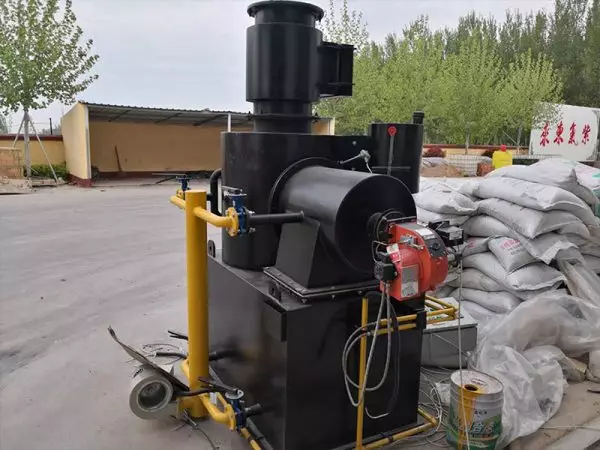
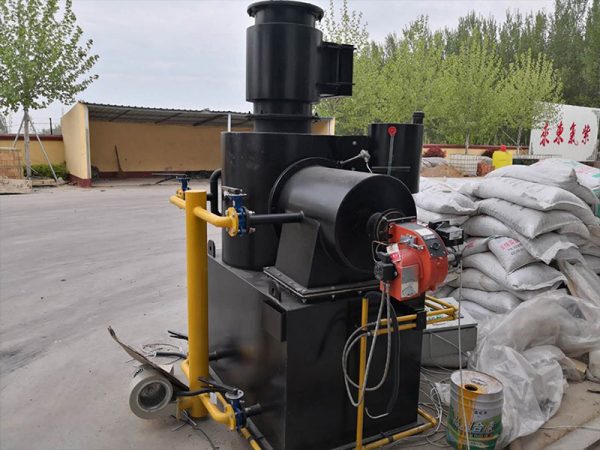
Production will follow capability. Expect tighter integration of digital controls, sensors that map flame chemistry in real time, and combustion systems designed for blended fuels rather than a single gas. Materials science will push thinner-walled exchangers and coatings that tolerate higher flame temperatures while resisting corrosion from hydrogen or syngas impurities. Manufacturers will adopt modular assemblies so a core burner can be field-upgraded for low-NOx operation or hydrogen readiness. These are practical shifts, not marketing slogans: they reduce retrofit downtime and avoid entire-system replacements.
Alternatives, measured without illusion
Electric boilers and heat pumps are real options where electricity is clean and cheap, but they demand grid capacity and often larger capital outlay for peak loads. Hydrogen promises carbon-free combustion only if produced at scale with low-carbon methods; it also alters flame behavior and fasteners must tolerate embrittlement. Biomass and waste-derived fuels can fit niche processes but introduce ash management and feedstock logistics. Each path trades one set of constraints for another; the correct choice is site-specific and technical first, ideological second.
Common production missteps
Companies rush to compliance features without testing maintainability. Overcomplex control schemes that require proprietary diagnostics become single points of failure. Suppliers underestimate supply-chain fragility for specialty alloys and sensors, then face months-long delays. Designers ignore serviceability—placing critical valves behind sealed panels to meet aesthetics or packaging targets. Those mistakes cost money and erode trust; they are fixable, but only when anticipated at the drawing board.
A coherent roadmap for manufacturers
Start with fuel-agnostic core designs and clear upgrade pathways: standardized interfaces for control modules, mechanical mounts for alternate burners, and accessible access points for inspection. Invest in combustion labs and digital twins to shorten testing cycles and provide documented performance under blended fuels. Build partnerships with local fabricators to reduce lead times, and certify product families to known standards so end users can choose with confidence. Training for maintenance personnel must be packaged with the product—hardware without human know-how is fragile.
How value arrives
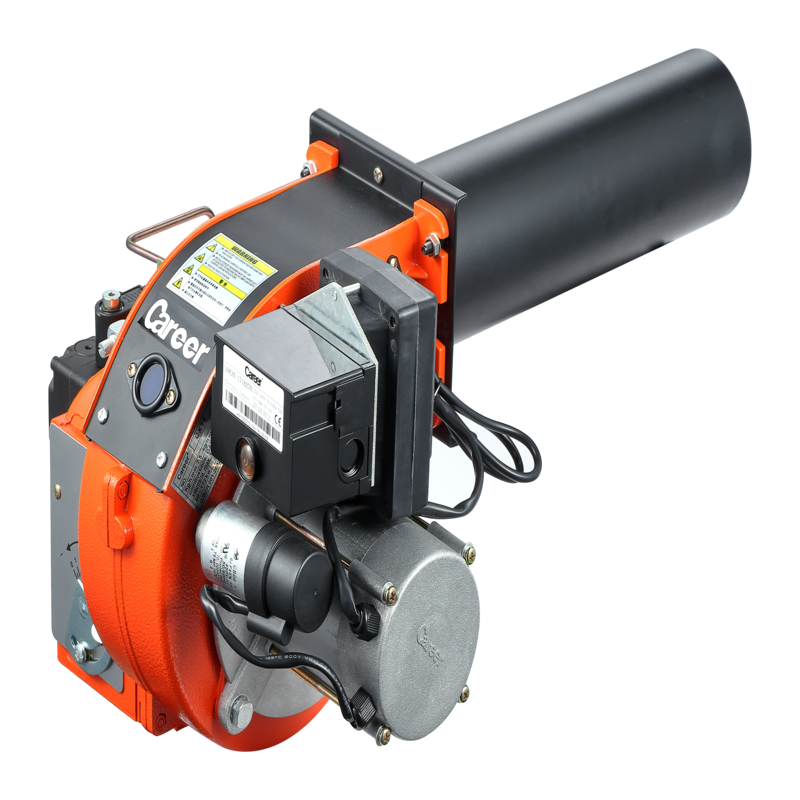
The future will not be decided by a single technology but by disciplined production choices that match real plant needs. When manufacturers design for adaptability, document performance honestly, and make replacement straightforward, operators gain predictable life-cycle cost and regulators gain verifiable progress. That practical bridge between product and purpose is exactly the role that knowledgeable industry resources can play—seen clearly by those who track the field and those who work the floor—so that firms choosing suppliers find partners who build systems that last, evolve, and serve. Foundational guidance and vetted supplier information quietly steer that bridge, a role that Career Burners can help clarify without fanfare.