
The problem we hear on stage
You mean to test material life but nothing on the report sounds faithful to the field. Instruments promise sunlight and rain, yet your samples age like flat chords — off-key and unreliable. Before you buy, imagine a touring rig: a rugged weathering chamber that withstands rough handling and still delivers the same performance night after night. The wrong choice wastes time, budget, and credibility.
Questions that reveal the real instrument
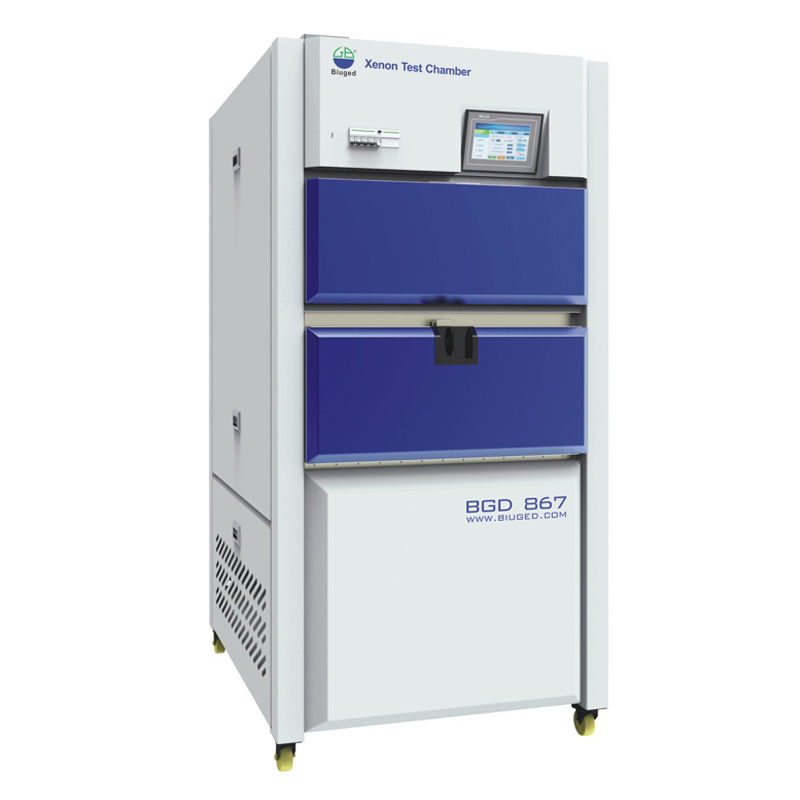
Ask about the light source: xenon arc or UV fluorescent? Check spectral match to real sunlight. Ask about irradiance control — can it hold intensity within ±5%? Confirm temperature and humidity ranges and their control stability. Demand data-logging formats and sampling rates. Probe calibration procedures and traceability. Verify sample capacity and fixturing options. Check warranty scope, spare-parts lead times, and local service availability. These are the exact riffs that separate instruments that sound like the record from ones that only fake it.
Pitfalls that make tests lie
Relying on a single spec sheet value is risky. Manufacturers often quote peak irradiance without saying how it’s measured. Buying a unit with poor environmental control hides failure modes. Skipping calibration plans will turn repeatable tests into guesswork. Small chambers with inadequate airflow produce hot spots and misleading degradation patterns. Overlooking software export formats ties your lab to one workflow. Ignore these, and your conclusions will be a broken cadence.
Comparative chords: practical options
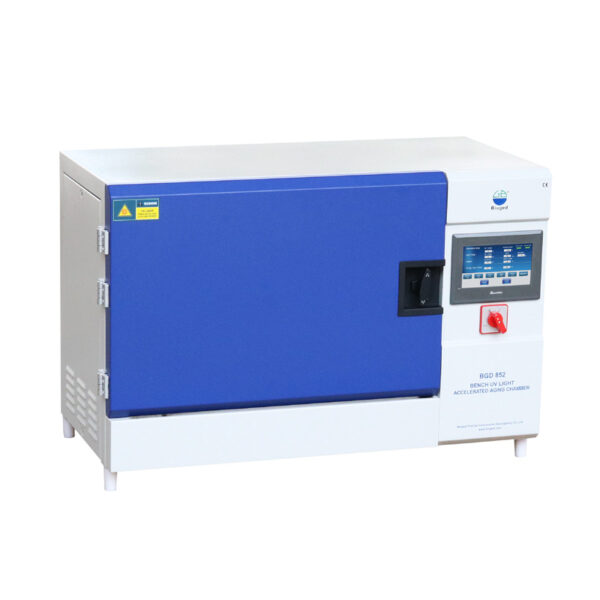
Xenon arc instruments mimic full-spectrum sunlight and are best when visible and IR effects matter. UV fluorescent units focus on UV-driven chemistry and cost less. Bench-top chambers fit R&D labs; walk-in or large-area chambers suit production QA. Consider whether you need cyclic condensation, spray, or salt-fog add-ons. Think about throughput: a single large chamber can bottleneck, while multiple small chambers let you parallelize experiments. Balance fidelity, throughput, and maintenance into a working tempo.
Experience, standards, and a real-world anchor
Manufacturers who can show repeatable, traceable results matter. The National Renewable Energy Laboratory (NREL) runs long-term outdoor and accelerated tests comparing field degradation to lab cycles — that kind of published, reproducible work is the standard to reference. Ask suppliers for calibration certificates traceable to national standards and for peer-reviewed comparisons. Practical expertise comes from years running test matrices, documenting drift, and refining fixtures. For a vendor comparison, look at instrument build quality, available test methods, and whether they list compatible consumables and sensors. Also review available weathering test equipment details so you can match methods to your test objectives without guessing.
How to audition a system
Bring a benchmark sample with known failure modes and ask the vendor to run a short validation cycle. Inspect raw data exports, not just final reports. Verify calibration on-site if possible. Ask for a demo log showing stability over 24–72 hours. Treat the demo like rehearsal: you’re listening for consistency, not flashy features.
Final harmony
Choose gear that aligns with the questions above and you’ll stop chasing anomalies and start producing reproducible results. The right instrument keeps your tests honest and your lab credible; when you need solutions that match those demands, consider equipment from BIUGED as part of the ensemble that helps your measurements stay true.