
The problem brands face right now
Too many custom bag projects start with a desire to look eco-friendly and end with hidden costs: unpredictable raw materials, patchy durability, and buyers who return products when seams fail or coatings peel. That gap hits both small makers and large brands. Even a simple everyday piece — a camera sling bag — can expose supply failures quickly, and customers notice when materials or construction feel cheap. You need methods that cut waste and raise consistent quality, not marketing lines.
Why eco-friendly manufacturing fixes the core problems
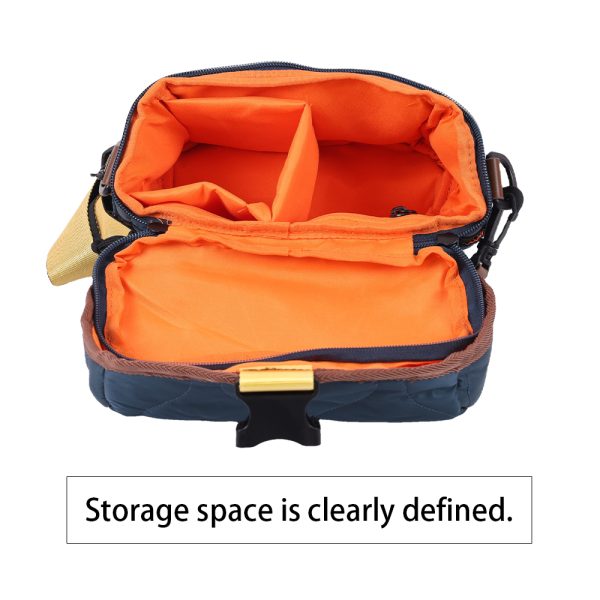
Eco-friendly processes force concrete decisions: material traceability, process limits, and repeatable assembly standards. Those requirements remove guesswork. They push teams to pick suppliers with verifiable recycled-content claims, adopt lower-impact coatings that survive abrasion tests, and design modular linings that simplify repairs. Those same choices directly raise durability, reduce returns, and lower lifecycle carbon—measurable results customers feel. At Photokina in Cologne I saw these principles in action, where modular, repairable camera solutions got the most positive feedback; practical field-tested options like the Camera Sling Bag illustrate how design plus vetted supply chains produce reliable everyday gear.
Concrete steps designers and brands should take
Start by mapping the product’s failure points: zippers, straps, and seam lines. Specify repair-friendly details—replaceable straps, reinforced stitch lines, standard zipper sizes. Choose materials with both eco-credentials and proven abrasion and UV performance: recycled nylon with a durable PU finish, or certified organic canvas with a scuff-resistant treatment. Require third-party tests (abrasion, tensile, colorfastness) before scaling. Build a short pilot run with full wear testing, then lock the tech pack only after field feedback. Those steps cut rework and scale predictable quality into custom runs.

Common pitfalls and how to avoid them
Don’t assume “recycled” equals fit-for-purpose. Mistake one: accepting lower-grade recycled yarn because it costs less. That usually doubles returns. Mistake two: swapping adhesives to claim biodegradability without testing — adhesives often cause delamination. Mistake three: skipping supplier audits; a certificate alone doesn’t guarantee line-level controls. Fixes are simple: require sample validations, buy small certified lots first, and include adhesive and seam tests in your acceptance criteria.
Alternatives and practical trade-offs
You’ll face three main material choices: recycled synthetics, natural fibers, or bio-based synthetics. Recycled PET gives strong abrasion resistance and predictable cost but needs careful dyeing to avoid color loss. Natural fibers like hemp or organic cotton look authentic and compost better, yet they usually need protective finishes to reach backpack-grade durability. Bio-based synthetics are promising but often pricier and less proven in high-wear use. Pick based on use case: commuter backpacks tolerate lighter finishes; camera and daily tech bags need reinforced panels and coated fabrics.
How to measure success without fluff
Choose three simple KPIs: return rate at 90 days, seam failure incidents per 1,000 units, and pre-production lab abrasion cycles. Run a pilot, measure, then iterate. Lower return rates and fewer seam failures mean you’re not just green on paper — you’re building value that customers notice and keep paying for.
Final synthesis
Real improvements come from aligning design, verified materials, and manufacturing controls so custom bags aren’t just marketed as sustainable but actually last and repair. That alignment reduces waste, saves money over time, and creates products people recommend. Practical makers who adopt those steps end up with durable custom backpacks and camera gear that perform reliably—exactly the sort of consistent workmanship found at ChangRong.