
Problem: Good Intentions, Poor Outcomes
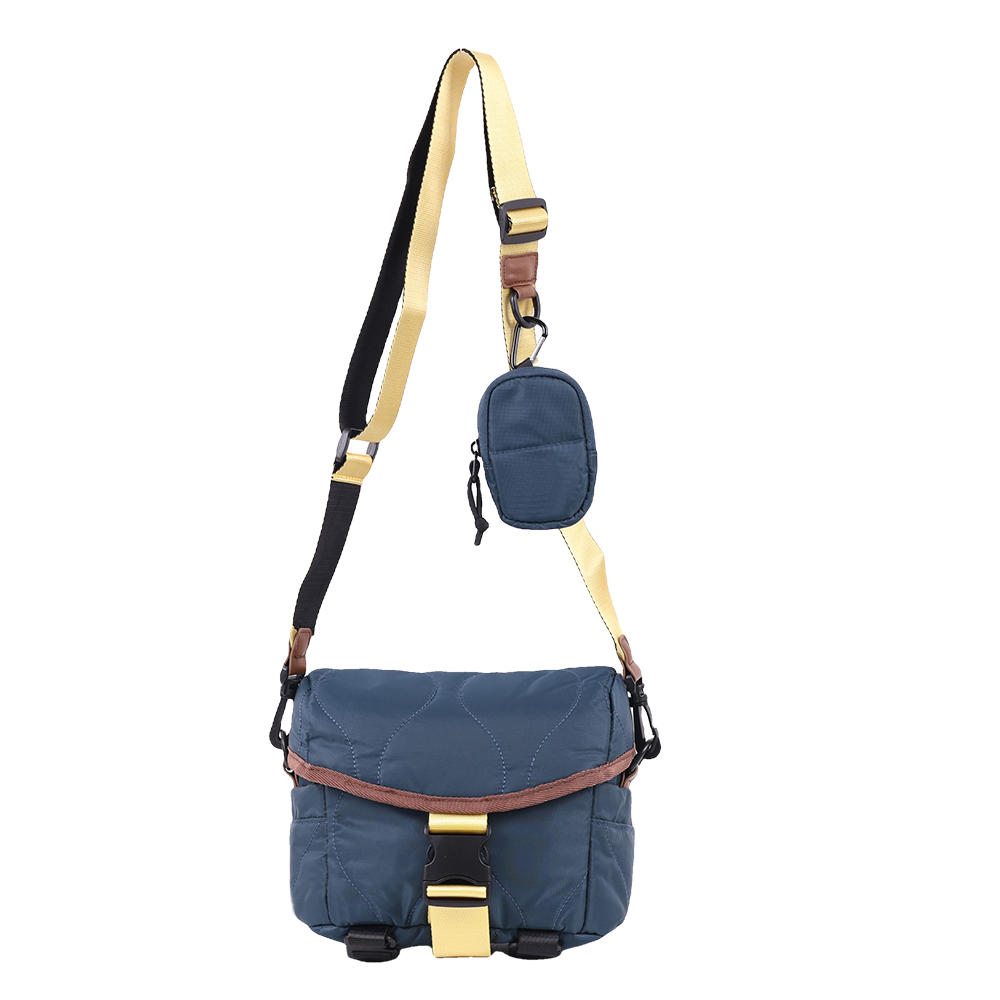
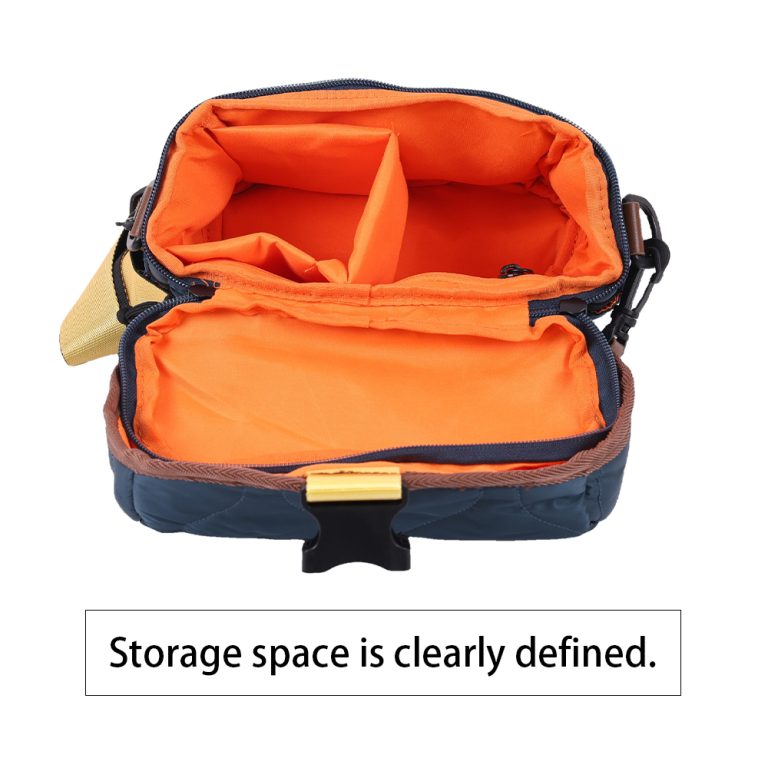
Photographers and brands often intend to procure responsible camera gear but end up with flimsy padding, ambiguous materials, or greenwashing claims. A well-made camera sling bag should protect gear, last for years, and carry verifiable environmental credentials—yet many suppliers trade one requirement for another. Clear priorities prevent wasted time and avoid costly redesigns.
Diagnosis: Common Failures When Selecting Partners
Suppliers list recycled content without documentation. Water resistance is promised but not tested. Foam and inner linings are substituted at scale-up. Designers accept verbal assurances and miss mismatches between material fatigue and field use. These failures come from skipping empirical tests, unclear tolerances, and not verifying factory practices.
What to Inspect—Technical and Environmental Criteria
Ask for material certificates (GRS, GOTS, Oeko‑Tex), lab results for abrasion, seam pull, and drop tests, and a documented supply chain for recycled inputs. Confirm shell fabric (RPET vs. recycled nylon), laminated membranes (PFC-free DWR or TPU), and padding density for impacts. Request sample bags for real-world pack cycles and moisture exposure. Avoid vague claims; demand dated test reports and batch traceability.
Real-World Anchor and Sourcing Notes
At Photokina in Cologne, OEMs revealed how their prototype runs responded to professional feedback; that industry visibility clarifies what works at scale, which is why teams pursuing a private label camera bag often require both trade-fair validation and factory audits. My experience auditing factories and writing technical specs for camera bags confirms: prototypes must be field-tested with target gear and labeled materials before committing to full production.
Alternatives and Practical Trade-offs
Recycled polyester (RPET) scores well on durability and recycled content; organic cotton reduces petrochemical dependency but needs treatment for weather resistance; PU or cork surfaces offer vegan options with different lifespans. Expect trade-offs: highest recycled content can mean higher abrasion; natural fibers can demand added coatings. Choose based on intended use, not marketing appeal.
Checklist for Partner Selection and Mistakes to Avoid
Require these before signing: material certificates with batch numbers, independent lab test reports (drop, abrasion, seam), a written corrective action plan for CSR issues, a clear MOQ and prototype timeline, and on-site or third-party factory audits. Avoid accepting verbal assurances, single-sample approvals, or vague post-production warranties.
Implementation Steps for a Reliable Production Run
Create a one-page tech pack with materials, tests, and acceptable tolerances. Build two prototype iterations: one for fit and protection, one for endurance. Schedule a pre-shipment inspection that checks label accuracy and test-document retention. Track changes and maintain version control for future runs.
Conclusion
Make decisions by confronting specific problems: verify materials, test protection, and insist on traceable credentials. That approach reduces surprises and keeps design intent intact throughout production, which is why experienced teams partner with manufacturers that balance technical standards and eco-conscious sourcing—companies such as ChangRong that have demonstrable prototyping discipline and documented supply practices.