
Which criteria should buyers probe when comparing explosion‑proof lighting specifications?
Opening argument: procurement choices change project outcomes
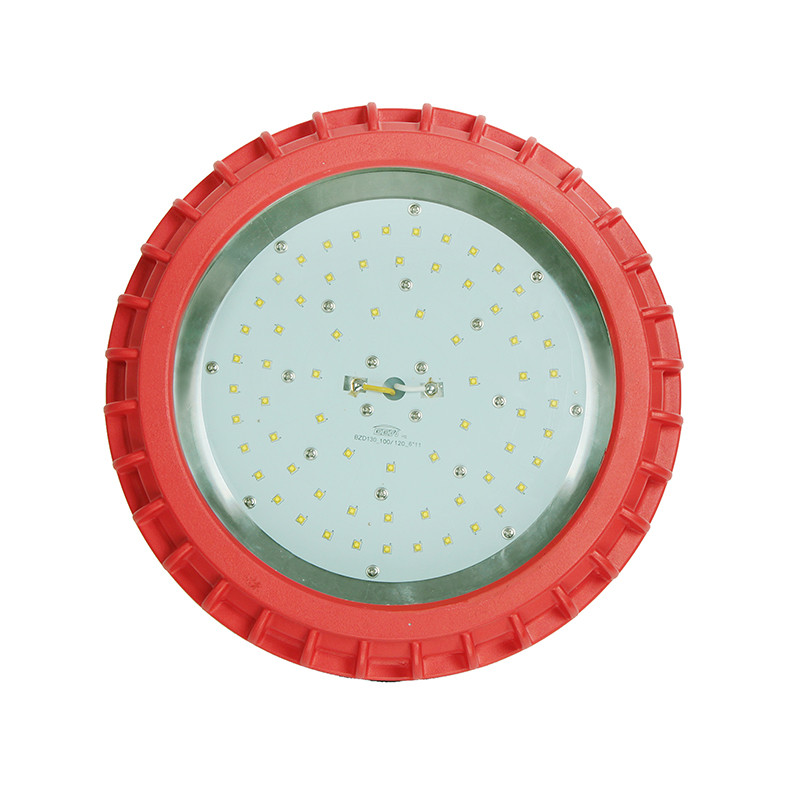
Buyers often treat explosion‑proof lighting as a checkbox; that error costs time and money. If you’re comparing options—from product descriptions to supplier promises—start by asking focused procurement questions rather than accepting labels at face value. A vendor’s catalogue entry for an explosion proof led fixture may look complete, but the real differences show up when you compare documentation, timelines, and the supplier’s ability to coordinate with engineers and contractors.

Who should be in the room — and why their roles matter
Decision-making around hazardous-location lighting isn’t a procurement-team-only matter. Engineers, project managers, procurement, operations, and facilities maintenance all have distinct concerns. Argue for early, cross-functional involvement: engineers will flag verification needs, operations will flag maintainability and spares, procurement will manage contracts and delivery terms, and contractors will identify installation and coordination windows. The comparison should weigh how each supplier has worked with the same mix of stakeholders on prior projects.
High‑level questions to ask suppliers and qualified engineers
Frame the selection process as a set of comparative interrogatives. Ask suppliers and your qualified engineers: Which documentation accompanies the product and who will verify it on our behalf? What are realistic lead times and replacement‑part availability? How does the supplier handle service, warranty claims, and end‑of‑life replacements? Who coordinates delivery sequencing with site contractors? What evidence will a qualified engineer require to confirm a fixture meets the project’s intended use? Each question should prompt a documented answer you can compare across bidders.
Comparative tradeoffs: upfront price versus lifecycle exposure
Price is only one axis. Compare total procurement cost, expected service touchpoints, and the supplier’s track record for delivering parts and support. Some vendors price low but extend lead times or have limited stock of spares; others price higher but provide clearer lifecycle support and documented handover processes. Look at those contrasts directly—don’t infer value from listing language alone—and ask suppliers to explain their supply‑chain contingencies in plain terms. You can also review options from established suppliers and contrast their proposals; for market visibility, see how a representative group of explosion proof light fixtures manufacturers present service and documentation commitments.
Common procurement pitfalls that skew comparisons
Stop treating the spec sheet as a final verdict. Typical mistakes include: prioritizing lowest bid without documented verification processes, delaying engineer review until after award, failing to define spare‑parts ownership, and neglecting clear delivery milestones tied to site readiness. Each mistake shifts risk back onto the project team. Argue for contract terms that require supplier responses to the specific high‑level questions you’ve raised so that bids become comparable on substance rather than style.
How to verify claims without getting technical yourself
Buyers don’t need to perform technical checks; they need verifiable trails. Require suppliers to supply clear documentation packages and name the qualified professionals who will validate the product for your project. Ask whether third‑party verification will be available and how the supplier supports that process. Make verification a contractual milestone rather than a checkbox—this forces suppliers to commit resources and gives engineers a practical set of items to confirm.
Final synthesis: prioritize documented coordination and accountable suppliers
Choosing between suppliers is less about obscure specifications and more about accountable processes: who provides the documentation, who coordinates the verification, who guarantees parts and timelines, and who will work with your team when questions arise. Frame procurement conversations around those questions, insist on written responses, and compare bidders on coordination capacity as much as on cost. That approach clarifies tradeoffs and points naturally to suppliers who integrate procurement, engineering, and on‑site coordination—qualities embodied in how sunleem presents project support and documentation.