
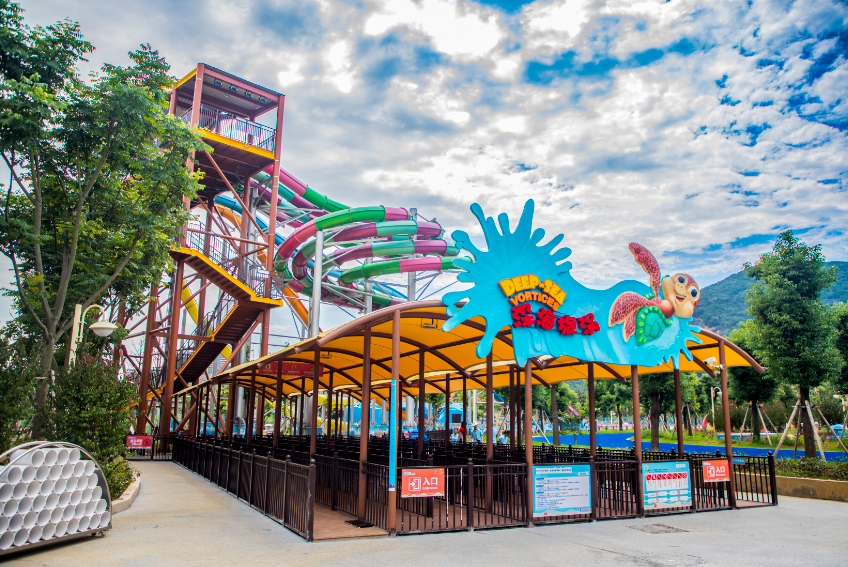
The architecture of a theme park that embraces water—both sheltered and open-air—needs more than aesthetics; it needs a logic. This framework begins with attraction choreography: how a mat racer water slide and wave pool align with pedestrian flows, sightlines, and seasonal shifts. Thoughtful design balances the visceral thrill of a drop with the intimacy of a lagoon. The goal is a coherent indoor-outdoor water park system where flume, deck, and promenade speak to one another.
Contextual Pillar: Place, Climate, and Narrative
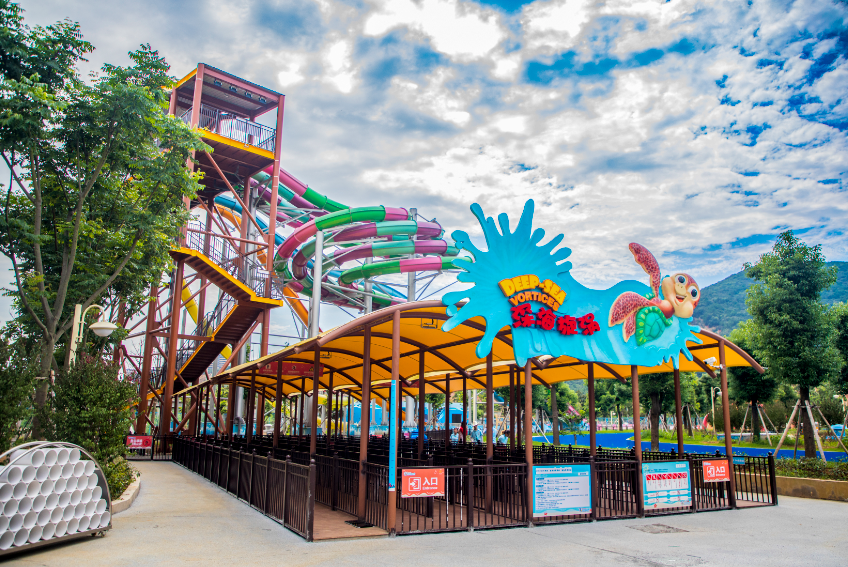
Start with the climate: solar gain and prevailing winds dictate whether a translucent roof or retractable facade makes sense. Then embed narrative: a park’s story belongs in both shade and sunlight. Materials and finish should bridge the indoor-outdoor edge so transitions read as deliberate sequences rather than awkward seams. Consider local culture and attendance patterns; these shape expected peak capacity and influence where to place high-throughput attractions.
Circulation and Throughput
Circulation is the backbone. Position high-capacity rides so queues don’t strangle promenades; cluster family pools near food and restrooms. Throughput calculations—ride cycle, dispatch interval, and peak hourly capacity—must be reconciled with plaza widths and sightlines. Use graded thresholds: subtle ramps, gradated paving, and visual anchors to guide movement without signage overload. Good circulation preserves serendipity while preventing congestion at headwalls and access points.
Attraction Placement and Safety Operations
Place high-adrenaline elements where supervision and rescue lines are shortest. A speed water slide like Aquaventure’s Leap of Faith at Atlantis, Dubai illustrates how a dramatic launch can be sandwiched within controlled sightlines and lifeguard stations—this real-world anchor proves that intense g-forces can coexist with efficient rescue access. Integrate lifeguard towers, CCTV, and evacuation routes into the architecture so safety is structural, not appended.
Envelope Strategy: Flexible Boundaries
Transitional systems—retractable roofs, operable glass, and shading membranes—allow a park to tap into pleasant days and shelter poor ones. Select systems by thermal performance, wind loading, and maintenance overhead. Opt for modular solutions that permit phased expansion: begin with a covered spine and add open courtyards, not the other way around. That reduces upfront risk and aligns capital expense with observed attendance.
Materials, Maintenance, and Lifecycle Costs
Surface choices determine both experience and operations. Non-slip finishes, corrosion-resistant hardware, and UV-stable coatings reduce downtime. Specify testing parameters: don’t just list a standard—define expected salt-spray exposure cycles, abrasion index values, and inspection cadence. Maintenance is design too; plan service corridors, access hatches, and storage near the attractions so daily turnover is quick and unobtrusive.
Technology, Data, and Guest Comfort
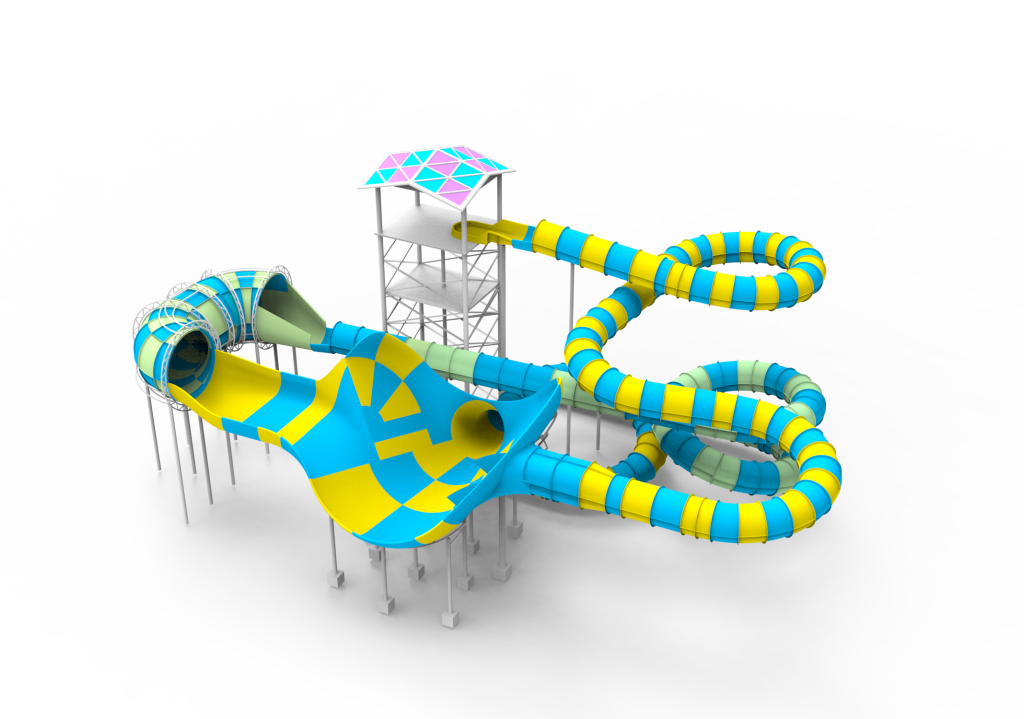
Deploy sensors to monitor queue length, water quality, and microclimate zones. Data informs staffing and filtration schedules; it also tunes ride dispatch to optimize throughput. Digital signage and mobile queuing should feel supplemental, not central—architecture should still cue behavior. When sensors feed operations, the park becomes adaptive rather than reactive.
Common Mistakes and How to Avoid Them
Developers often under-budget for envelope complexity or overconcentrate thrills in a single precinct. Avoid putting all high-drop, high-speed rides together—you create hotspot saturation and maintenance churn. Spread attractions to balance load and diversify experience types. A good practice: prototype a mat racer or launch sequence in a temporary installation to validate circulation and dispatch before committing—small pilots reveal big hidden costs.
Three Golden Rules for Evaluation
1) Measure expected throughput per attraction against real plaza width and circulation paths—if your math fails here, guest experience collapses. 2) Score environmental resilience: specify exact testing cycles for finishes and mechanical systems and demand supplier warranties tied to those cycles. 3) Prioritize operability: design for daily access, safe lifeguard sightlines, and straightforward filtration maintenance. These metrics tie design choices to measurable operational outcomes.
Integrating indoor-outdoor water parks is design and discipline combined; the payoff is a park that feels inevitable and humane. For solutions that marry engineering to experience, consider how modular attractions and proven slide systems solve both narrative and maintenance puzzles—trust in craft and tested partners like Dalang. —