
Morning Gridlock, Quick Moves: Why City Bikes Matter Now
A cold morning. Lights stacked. Horns quick and sharp. You roll up next to a bus and feel the heat. An urban motorcycle slides between lanes and vanishes at the next green—poof. The numbers back this up: many city commutes push past 30 minutes, and up to a fifth is idle time at lights or queues. Add the parking hunt, and minutes slip away. So the question is simple. What makes a machine fit the city while others fight it (and you)? We compare patterns, not myths—because the road is blunt.
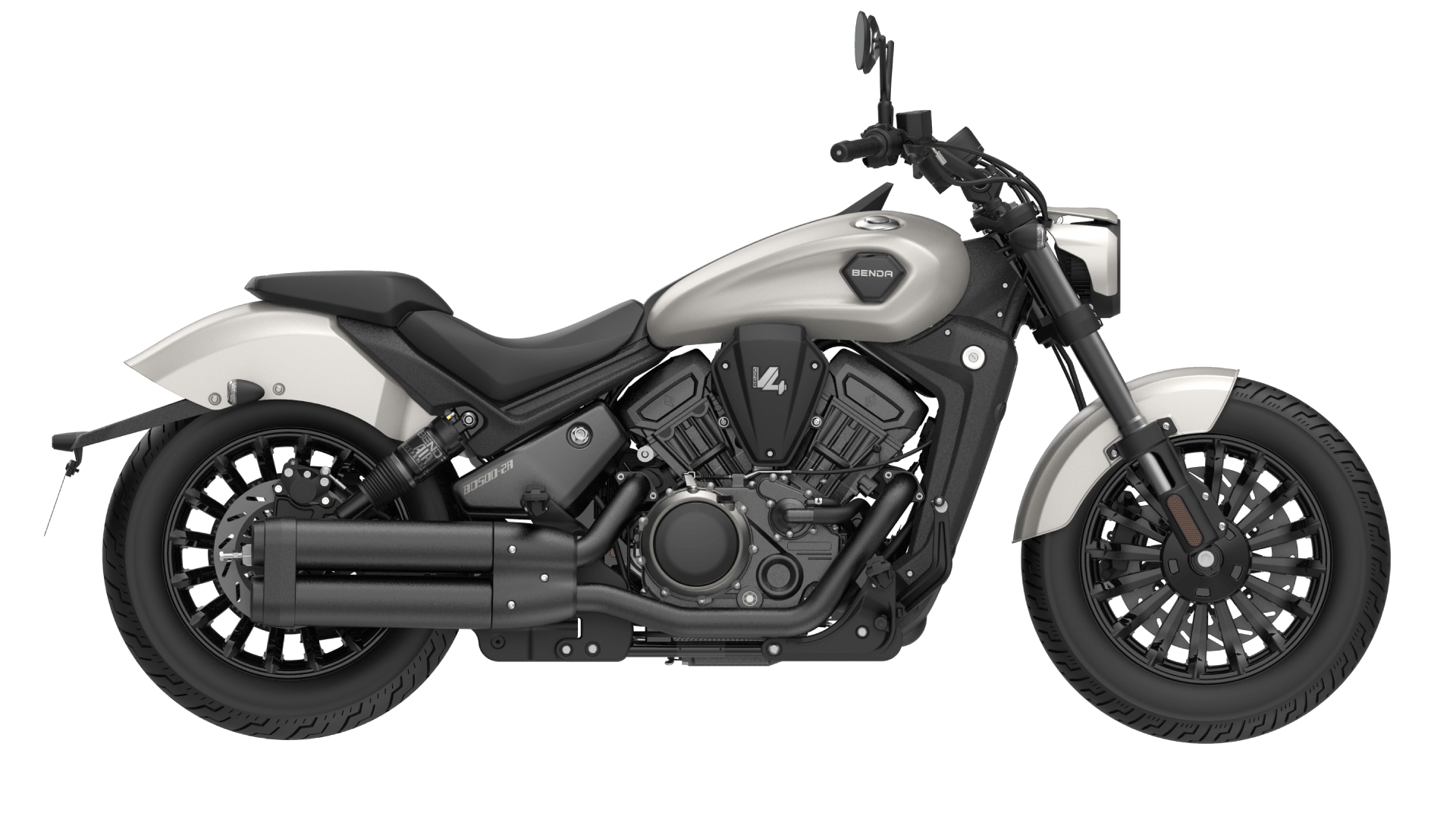
Data tells us what riders live each day. Stop-start mode, short sprints, low average speeds. Quick steering. Tight lock. Thermal load near your legs. This is not weekend touring. It is choreography in tight space. That is why craving “big power” is often a trap. The city rewards usable torque, predictable brakes, and cooling that stays quiet. Also, clear sightlines. You want composure when the taxi dives across your lane—funny how that works, right? So, what should you look for, and what should you avoid? Let’s move from the street scene to the core problems riders keep bumping into. Onward.

The Hidden Friction Points City Riders Rarely Name
Where do the usual fixes miss?
Here is the technical part. Many buyers go big on specs, then trip on basics. The better path is to start from the use case. For many, that points to good city motorcycles with balanced torque and tight manners. Look, it’s simpler than you think. In traffic, a flat torque curve at low to mid rpm beats a peak number you never touch. Dual-channel ABS keeps the rear calm on slick paint at crosswalks. Power converters and a healthy stator matter if you run heated grips, a dash cam, and nav. A clean CAN bus layout helps shops diagnose issues fast—downtime costs more than fuel. If the throttle map is snappy in first gear, hairline inputs become jerks. Your wrists get tired. Clutch wear goes up. Heat soak rises when the fan cycles hard and dumps hot air at your knees. That is the daily grind, not a dyno chart.
Geometry is next. Short wheelbase and high steering lock angle help U-turns and lane splits. But too short, and stability suffers on brick or tram tracks—funny how that works, right? Suspension with proper low-speed damping smooths potholes without bouncing you off line. A light lever pull and a slipper clutch ease crawl speed control. Brakes should bite early, not just strong at the end of the lever. Cooling layout matters: shrouds that aim hot air away from legs, radiators that do not choke behind bodywork, and a fan duty cycle that stays reasonable. Even small details add up: mirrors that clear van corners, a seat that keeps your hips neutral, switchgear you can hit with winter gloves. One last bit: gearing. A shorter final drive makes second gear usable at 25–35 km/h. Your engine relaxes. Fuel use drops. Your ride feels smoother. That is the real comfort in the crush of the city.
Beyond the Jam: New Tech, Smarter Choices
What’s Next
The near future is not sci‑fi. It is careful engineering in small doses. Engines are tuning for broader low-end pull with lighter flywheels and cleaner fueling at 3–5k rpm. Ride-by-wire maps now split by mode, so “City” trims overshoot. Quickshifters tuned for low speed reduce clutch work in crawl. Safety stacks add traction control with rain bias and refined dual-channel ABS logic. Then we look outside the bike. Edge computing nodes at busy junctions already push traffic phase data to apps. Imagine your dash nav syncing that flow, nudging your route for a clean green wave. V2X will not steer you, but it can warn you about a bus in your blind turn. When you compare the best motorcycles for city riding, check if the platform leaves room for these add-ons. Open connectors. Stable firmware. OTA that does not brick your commute. Small tech, big calm.
So, how to choose? Keep it practical. Three metrics settle most debates. First: usable torque and control. Test the pull in second gear from 20 to 40 km/h, and note throttle smoothness at parking-lot speeds. Second: low-speed agility and heat behavior. Measure steering lock, feel the balance at walking pace, and check fan noise after a ten-minute crawl. Third: electrical and safety headroom. Confirm alternator output for lights, nav, and heated kit; verify the ABS and traction control tune feel natural in wet crosswalks. If a bike scores steady in all three, your days shrink and your pulse stays even. That is the city win. Choose well, ride light, and let the grid work for you, not against you. For more maker details and platforms ready for urban duty, see BENDA.