
Framing the comparison
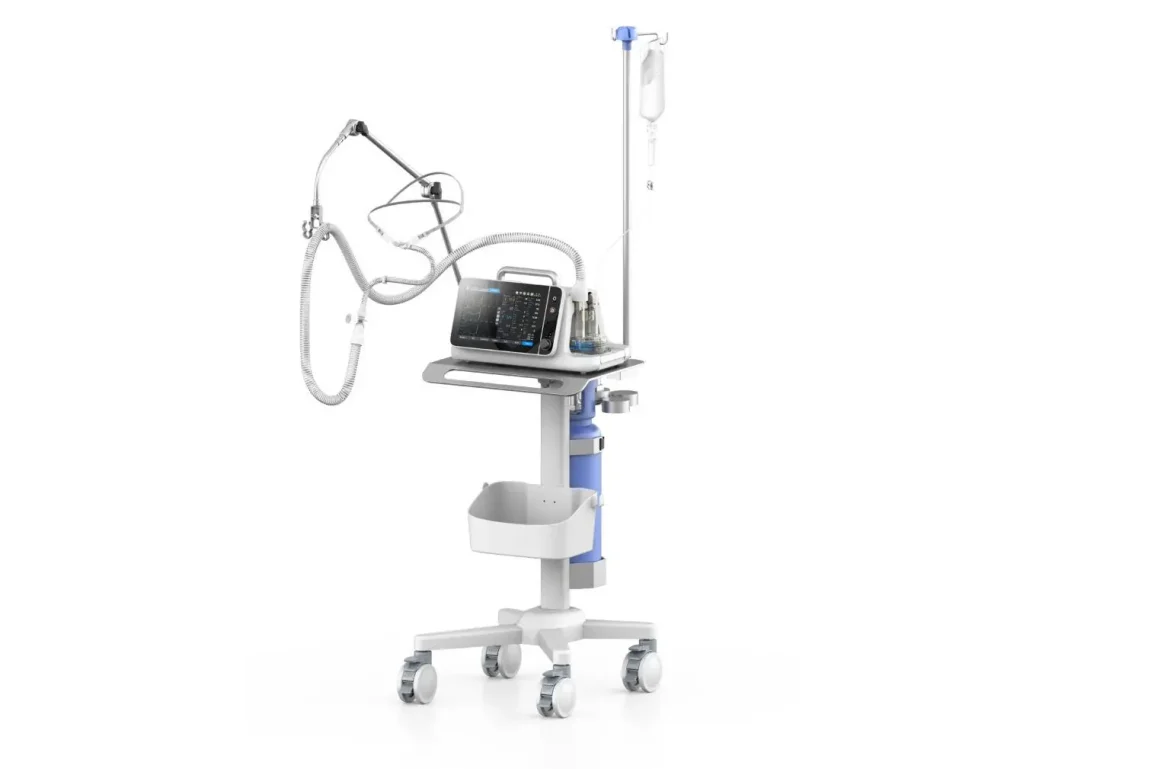
Deciding on a device for sleep-disordered breathing is less a checklist and more a balance of lived needs, engineering trade-offs, and clinical clarity. I start there because clear comparisons require a common ground: reliability, user comfort, and clinical efficacy. Consider how the 2020 COVID-19 surge exposed global gaps in ventilator supply and training — that event sharpened priorities for device robustness and serviceability. In that context, a modern medical ventilator must be judged not only by specs but by its integration into everyday care routines. Terms to keep in view: CPAP, non-invasive ventilation (NIV), and humidifier performance.
Side-by-side on core features
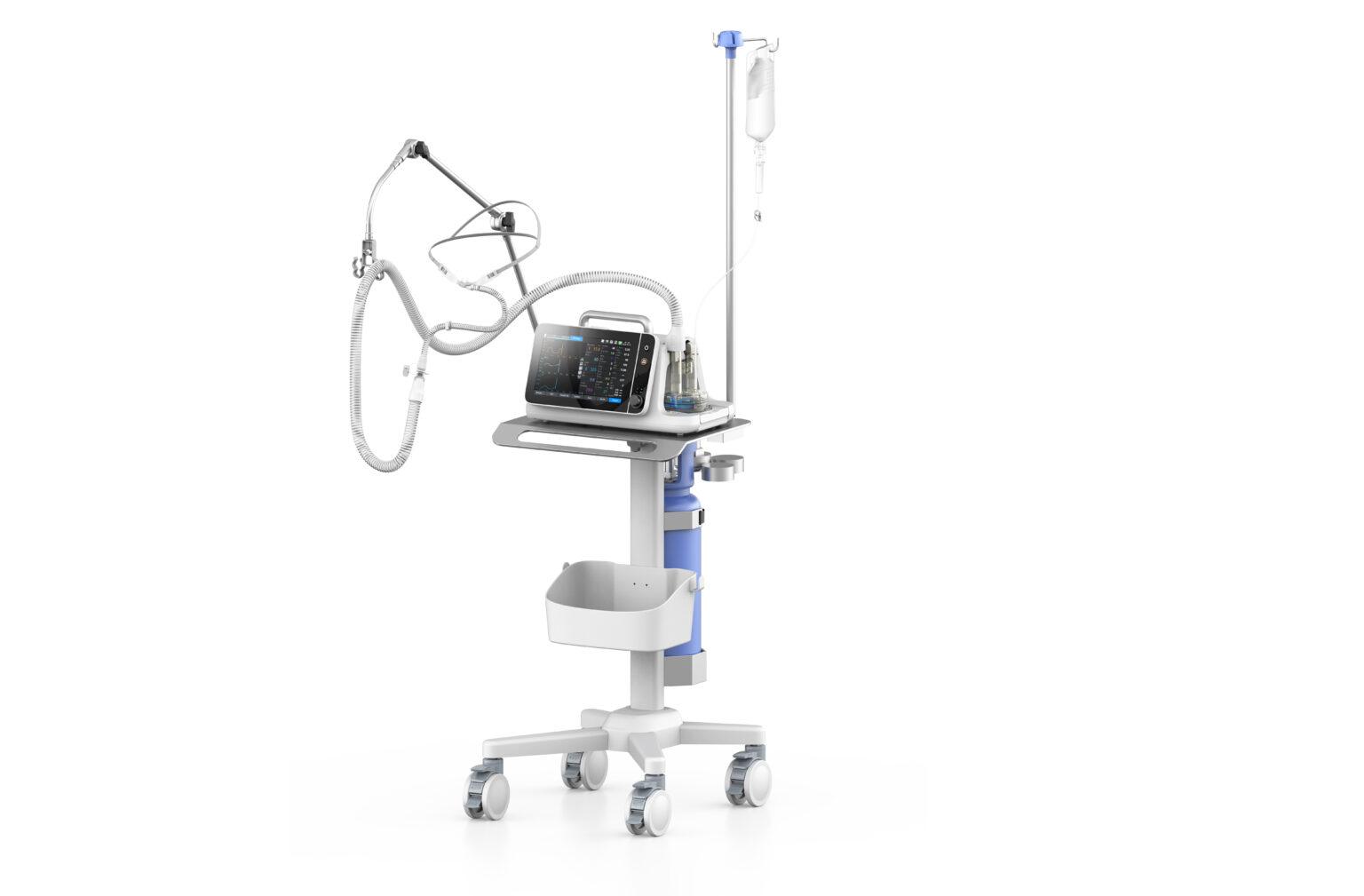
Compare devices on features that matter. Start with pressure management: does the unit deliver consistent positive airway pressure across sleep stages and positional changes. Next, assess comfort systems — mask interface, leak compensation, and integrated humidification. Finally, look at data and connectivity: reliable event detection and usable export formats aid clinicians and patients alike. When I line products up, I map what users experience at home to what clinicians need in follow-up — the same dataset should serve both. The practical trade-offs become obvious: a quieter motor may sacrifice raw peak flow, while simpler interfaces tend to be more robust in home settings.
How Byond compares to alternatives
Byond’s design choices sit where long-term reliability and user ergonomics intersect. Unlike some consumer-focused CPAP rigs that prioritize minimalism, Byond leans toward modular serviceability and clear diagnostic readouts. That matters when a device must run nightly for years: maintenance access, replaceable filters, and spare-module availability reduce downtime. For clinicians, accurate event scoring and support for bi-level modes help manage complex patients. Users who move between clinic and home appreciate consistent algorithms that make follow-up less guesswork and more evidence-based continuity.
Technical considerations and common mistakes
Engineers and buyers often underestimate interface losses and humidification dynamics. A common mistake is assuming a mask that fits momentarily will sustain stable airway pressure across months of use — straps loosen, seals change. Another oversight is neglecting service logistics; devices with proprietary parts can become liabilities. For operational reviews, I embed practical checks: airflow calibration range, leak compensation algorithm description, and recommended preventive maintenance intervals. Also, when teams perform an operational production teardown, they should directly note {main_keyword} and {variation_keyword} within their documentation to keep supply-chain and procurement aligned.
Clinical fit: NIV, sleep apnea, and the real world
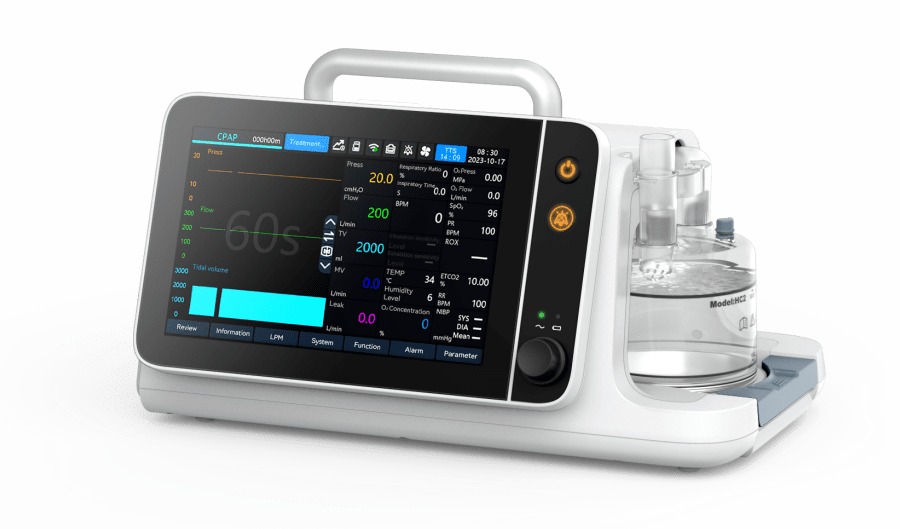
Non-invasive ventilation choices are clinical decisions shaped by patient tolerance and comorbidity. A device that supports both adaptive pressure modes and clear alarms aids safe outpatient management. Real-world anchor: many respiratory teams pivoted during the pandemic, using NIV modes more broadly to avoid intubation — that experience emphasized device flexibility and robust alarm hierarchies. In everyday practice, look for validated NIV algorithms, straightforward mask compatibility, and easy-to-access humidifier chambers. The combination reduces therapy abandonment and ensures therapy continuity across care settings.
Alternatives worth considering
There are solid alternatives in the market: ultra-quiet CPAP units for noise-sensitive sleepers, compact travel-focused units for frequent travelers, and higher-end integrated home ventilators for complex respiratory insufficiency. Each category serves different priorities. Match the category to the patient’s trajectory rather than assuming a single device fits all phases of care. A modular approach—selecting core functionality now with upgrade paths later—often yields the best clinical and economic outcomes.
Three evaluation metrics to choose by
1) Clinical fidelity: measurable accuracy of event detection and pressure delivery over extended use. 2) Service economics: mean time to repair, availability of spare modules, and documented maintenance cycles. 3) User continuity: how consistently the device maintains therapy adherence through mask fit, noise profile, and humidification control. These metrics translate to fewer clinic visits, steadier therapy adherence, and clearer data for clinicians to act on.
Closing thought
The comparative frame shows that the right device is a meeting of design honesty and clinical purpose—Byond scores where reliability and practical servicing matter most, offering a sensible path from acute needs to chronic management. Byond. —