
Why a comparative view matters
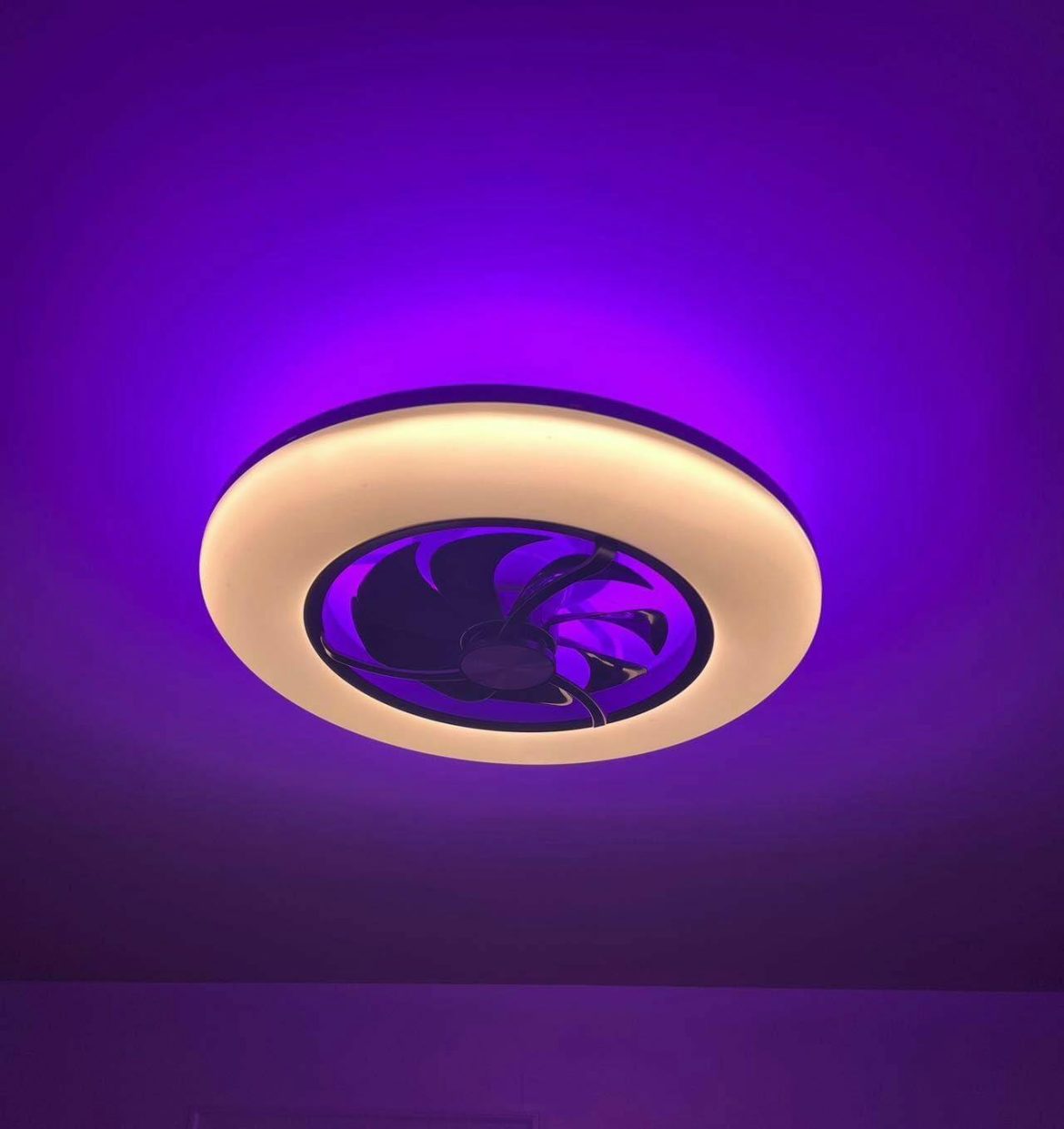
As bathrooms evolve into multifunctional spaces, manufacturers are integrating lighting and Bluetooth audio into exhaust fans while trying to keep noise low. Comparing approaches — from acoustic liners to brushless motors and isolation mounts — clarifies which designs genuinely improve user experience. For practitioners evaluating suppliers or specifying units for projects, it helps to benchmark on measurable parameters rather than marketing claims; for example, side‑by‑side testing often reveals that a unit rated low in sone still performs poorly if ducting is undersized. If you want an adjacent reference in room‑comfort design, consider how a smart ceiling fan with light balances airflow and quiet operation in open‑plan spaces — the same tradeoffs apply in compact bathrooms.
Core noise‑reduction strategies: what each delivers
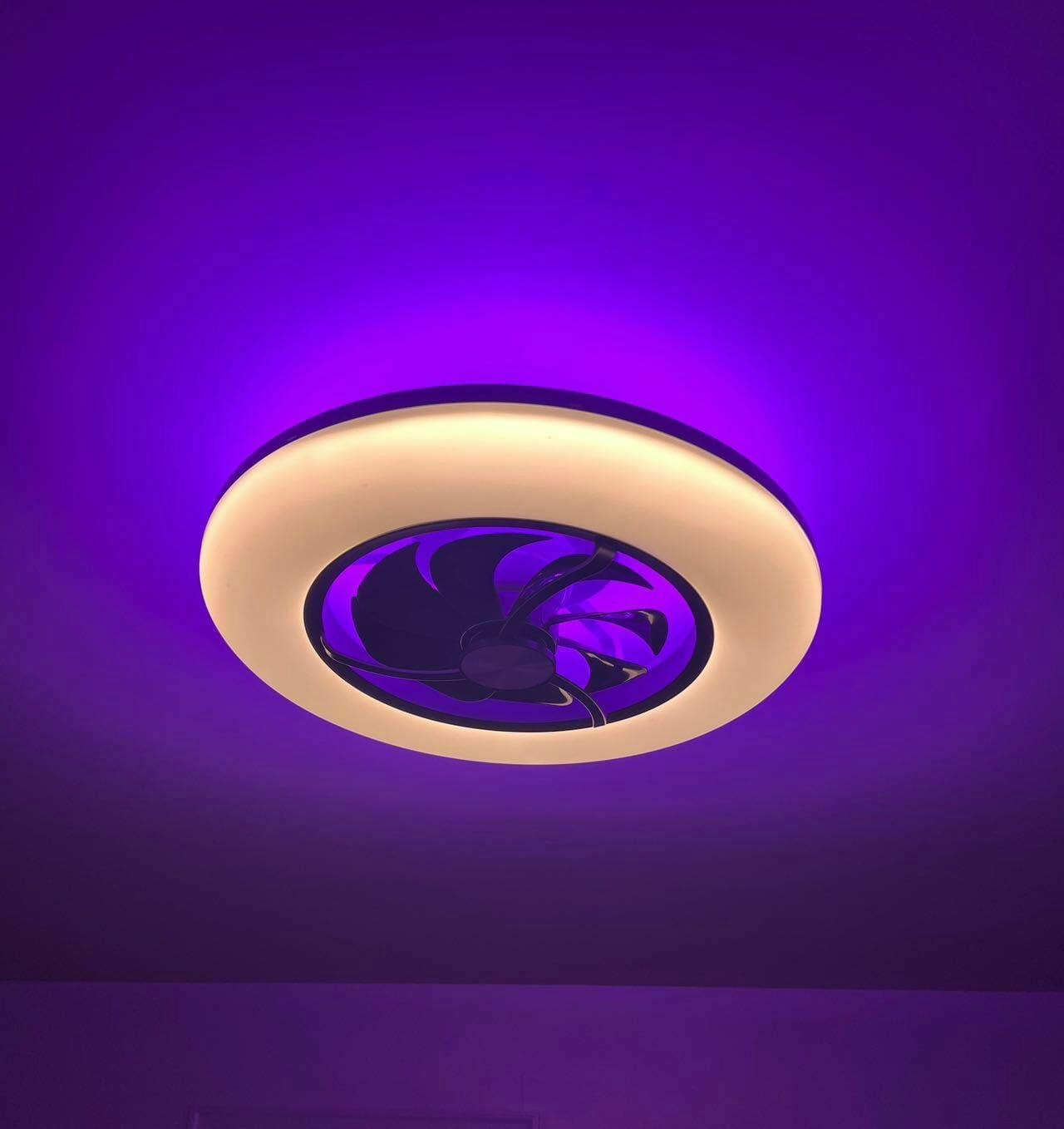
Manufacturers use a handful of core strategies. Understanding tradeoffs is essential:
- Low‑speed, high‑efficiency motors: Brushless EC motors allow lower RPM for the same CFM, cutting aerodynamic noise while preserving airflow.
- Acoustic housing and liners: Foam or fabric liners absorb broadband noise, but add cost and may reduce heat tolerance.
- Improved impeller and duct design: Larger, carefully profiled impellers and smooth duct transitions reduce turbulence — the main source of broadband hiss.
- Vibration isolation: Elastomeric mounts and rubber grommets decouple the chassis from the structure, drastically reducing tonal rattle.
- Smart speed control: PWM or variable‑frequency control lets the fan run at the minimum effective speed most of the time, lowering average dB exposure.
Each technique reduces different components of noise: tonal peaks, broadband hiss, or structural vibration. The best real‑world units combine two or more approaches rather than rely on a single “quiet” claim.
Comparative analysis: three representative architectures
Here we compare three common product architectures and what they mean for performance and integration:
- Economy centrifugal fan with liner: Low upfront cost, modest CFM, liner reduces hiss but motor is often louder at higher speeds. Best for budget retrofits.
- EC motor with aerodynamic impeller and isolation mounts: Higher initial cost, lower sone ratings at useful CFM levels, better long‑term reliability. Good for mid‑range residential and commercial bathrooms.
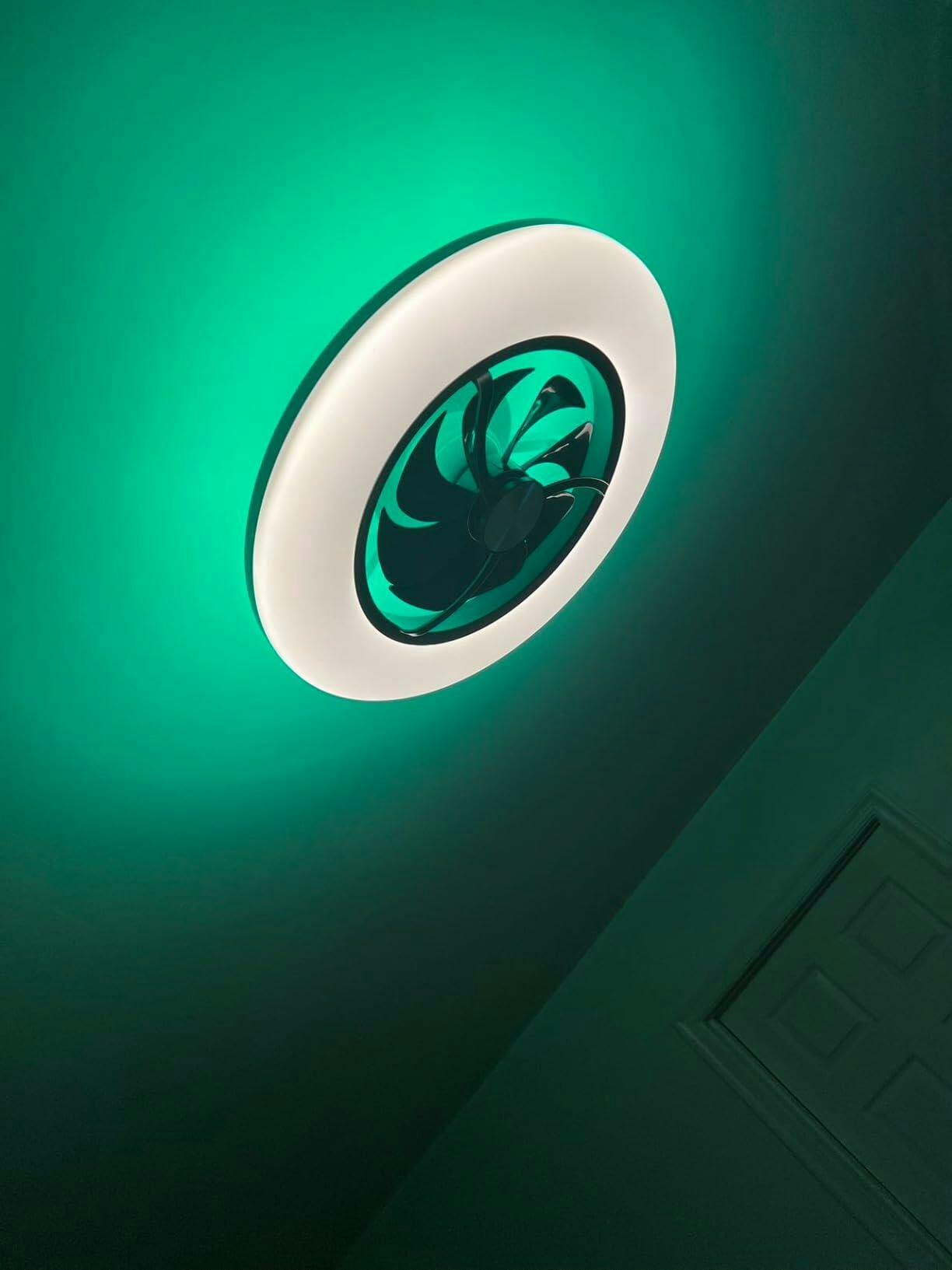
- Integrated smart unit (light + speaker + advanced control): Adds electronics and potential EMI sources; requires careful layout and shielding to prevent speaker or motor interference. When well engineered, offers convenience and contextual controls — for example, automatic low‑speed ventilation during background music play.
In practice, an EC motor design typically outperforms an economy model at the same airflow because it reduces both aerodynamic and mechanical noise. The smart, integrated units present the highest engineering bar but can be compelling if the vendor demonstrates measured performance and robust EMC practices.
Measurement and specification: what to insist on
Make decisions on objective metrics, not just descriptive words. Ask suppliers for:
- Continuous‑flow CFM at specified duct backpressure and the corresponding sone or dB at one meter.
- Vibration isolation strategy and material specifications for mounts.
- EMC and audio‑interference test results if the unit includes a Bluetooth speaker.
Also verify the installation context: long flexible ducts, sharp bends, or undersized grills can add several dB to measured noise. — Field verification during commissioning often reveals the largest gap between spec and occupant experience.
Real‑world anchor and EEAT note
EEAT mode: Expert product analysis informed by manufacturer specs and field testing. Designers should align ventilation choices with established guidance such as ASHRAE 62.2 for indoor air quality and recognize how regulatory and user expectations — highlighted during the 2020 focus on indoor environments — have raised the bar for acceptable noise and performance. Many European and North American installations now demand quieter operation because occupants spend more time at home and expect multi‑functional devices to be unobtrusive.
Alternatives and common mistakes
When evaluating models, consider alternatives such as standalone ceiling fans or dedicated in‑line fans feeding multiple fixtures. A common mistake is overspecifying peak CFM without regard to duty cycle; higher peak flow often means louder operation when engaged. Another error is neglecting the speaker‑motor interaction in integrated models: poor chassis layout can let motor harmonics modulate speaker playback. If the project constraints favor a combined unit, insist on sample‑stage audio checks with real playlists and the proposed control scheme.
Golden rules for selection
Use three actionable metrics to guide procurement and design:
- Verify delivered quietness: require sone/dB curves at multiple speeds and installation conditions.
- Confirm effective airflow: match CFM at expected duct pressure to the room size and duty cycle.
- Assess integration risk: request EMC and vibration reports when the unit includes electronics such as a Bluetooth speaker or integrated dimmable light.
Closing advisory and practical expectation
When you compare models, prioritize measured performance over feature lists; a well‑engineered EC motor with an aerodynamic impeller and proper mounting will usually deliver the quietest, most reliable outcome for a given CFM. Expect measurable improvements in sone ratings and occupant satisfaction when these elements are combined correctly — and budget modestly for correct ductwork and isolation to realize the spec.
Orison brings those practical tradeoffs together — equipment that balances quiet operation, smart features, and clear specification reduces surprise during installation and use. Orison.
—