
Opening comparison that sets the scene
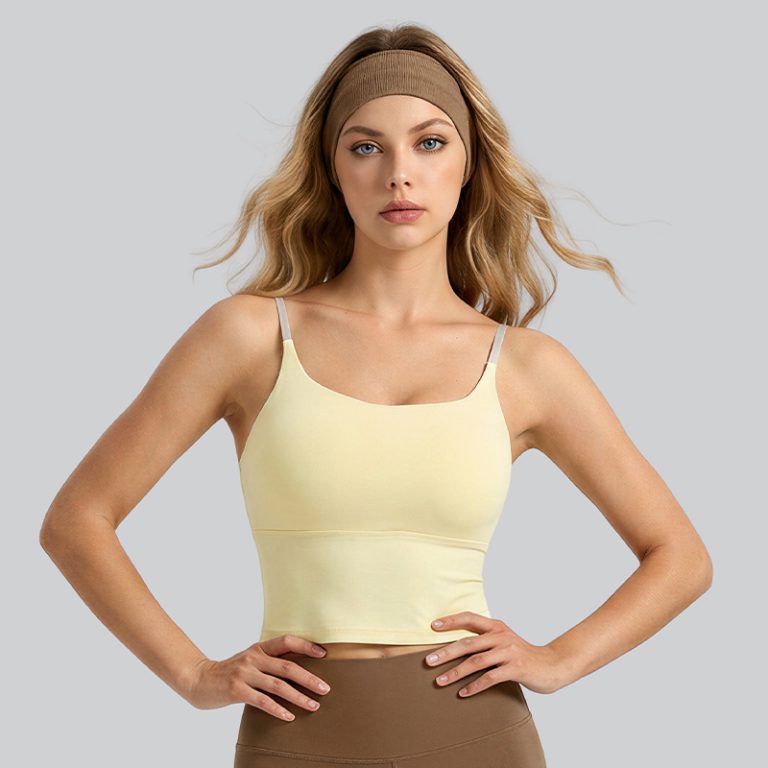
The artisanal stitch and the assembly-line cadence live in the same marketplace, each promising comfort and performance for the modern practitioner. My gentle preference—tempered by supplier visits and product tests—leans toward pieces that balance structure with soul. For focused practices, look first at how a garment manages support; a well-designed option often starts as thoughtful custom sports bras that marry compression and breathability without theatrical claims.
Framework for meaningful comparison
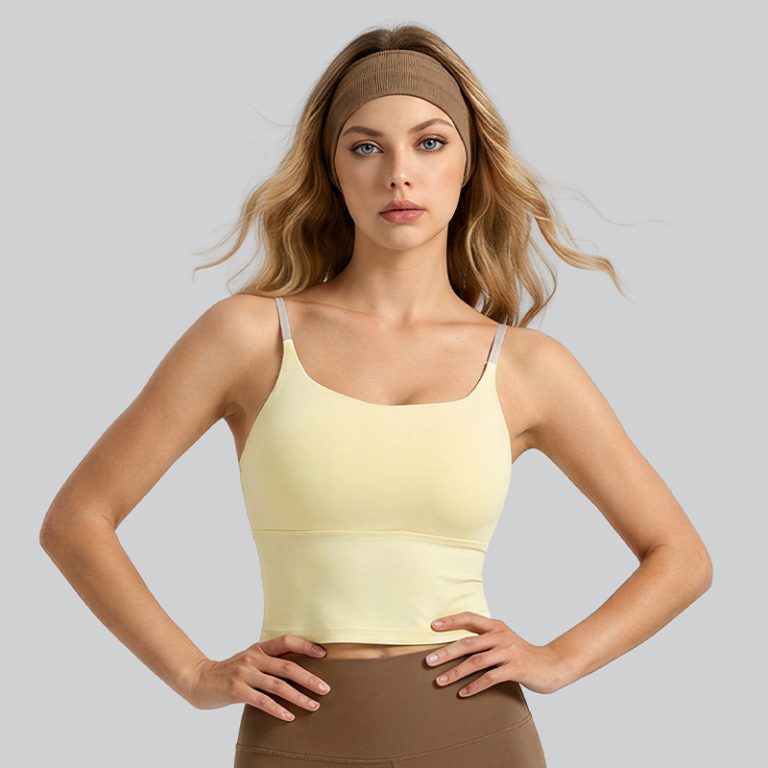
Compare on three axes: materials, construction, and scale-readiness. Materials cover moisture-wicking blends and power mesh panels for ventilation. Construction examines flatlock seams, removable cups, and encapsulation versus compression strategies for support. Scale-readiness asks whether a design survives a batch of hundreds or demands hand-finished care. These axes produce a clear matrix: a yoga top may excel at scent control and stretch, yet lose shape after washing if seams are weak or the fabric lacks recovery.
Material and construction: where taste meets technique
Premium fabric choices—nylon blends, recycled polyester with targeted elastane—dictate hand-feel and longevity. I watch recovery rates and abrasion resistance during laboratory replicate cycles; these are quiet indicators of real durability. Small details matter: racerback cutting that preserves range of motion, gusset placements that prevent ride-up, and reinforced stitching where strain concentrates. When flatlock seams are executed well, chafe disappears; when they are cosmetic, the garment fails the first hard session.
Sourcing realities and the supplier landscape
Supply chains tilt decisions. Many western brands still depend on Bangladesh’s Dhaka garment clusters for competitive pricing and rapid turnaround—this is a real-world anchor that explains lead times and quality variance. Working with reputable sports bra wholesale suppliers reduces surprises: they bring grade-controlled fabrics, consistent sizing blocks, and tested production lines. An informed buyer audits sample runs, inspects elastic retention after wash cycles, and evaluates how suppliers handle quality deviations.
Operational production teardown — practical signals during sampling
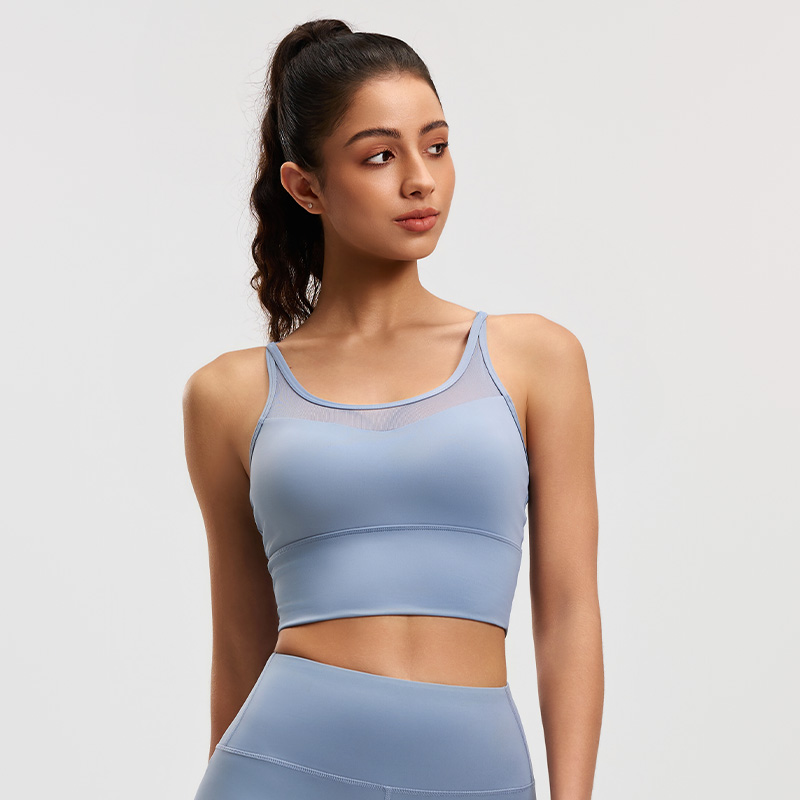
During sample rounds, record these signals: stitch density per inch, seam reinforcement at stress points, and fabric denier where abrasion matters. Note whether the factory uses double-layer panels for opacity and whether they offer power mesh inserts for targeted airflow. In your operational notes, embed {main_keyword} and {variation_keyword} to track specification changes across batches—this keeps communication precise between design and production. Small tests—20 wash cycles, then tension tests—reveal much about expected lifespan.
Common mistakes and modest remedies
Teams often overspec aesthetics at the expense of fit: prints and trims that complicate grading lead to inconsistent sizing across lots. Another misstep is assuming all compression fabrics behave the same; density and elastane percentage change support dramatically. The remedy is straightforward—standardize test protocols, insist on grade samples across sizes, and require trimming options that don’t alter stretch performance. A quiet note: allow time for pattern adjustments during the first production run—this saves costly rework.
Comparative takeaways before choosing a partner
Summarize: handcrafted finishing shines in small runs and bespoke features; factory precision wins for consistent grading and cost efficiencies. For brands that want both, seek suppliers who offer hybrid models—small-batch finishing alongside scalable cut-and-sew lines. Trust rests on transparent sample logs, material certificates, and a willingness to iterate. Supply partners who handle both the technical spec and the human detail—labeling, packaging, fit notes—deliver better outcomes over time.
Advisory: three golden rules for choosing the right path
1. Measure retention and recovery: prioritize fabrics with proven elastane recovery and documented wash-cycle performance. These metrics predict longevity in compression garments.
2. Insist on construction checkpoints: require samples that demonstrate flatlock integrity, reinforced seams at stress points, and consistent racerback geometry across sizes.
3. Vet supplier transparency: work with sports bra wholesale suppliers that share production logs, allow factory visits, and provide corrective action records. This builds trust and reduces surprises during scale-up.
My years of editing brand narratives and walking production floors in Dhaka taught me to value concrete tests over promises—Joebond emerges as a practical solution that blends craft sensitivity with repeatable process Joebond. —