
Introduction: A Shop Floor Morning
One morning I was watching a small job run, machine lights blinking, operator sipping kopi — and the part still came back out with a chatter mark. Industry reports say machine downtime eats into 10–20% of production time on average, and that number hits harder for smaller shops. CNC vertical machining center manufacturers are telling buyers about precision and uptime, but how come the real results sometimes don’t match the brochure? (Like seriously, we all know someone who’s blamed tooling or fixturing lah.)
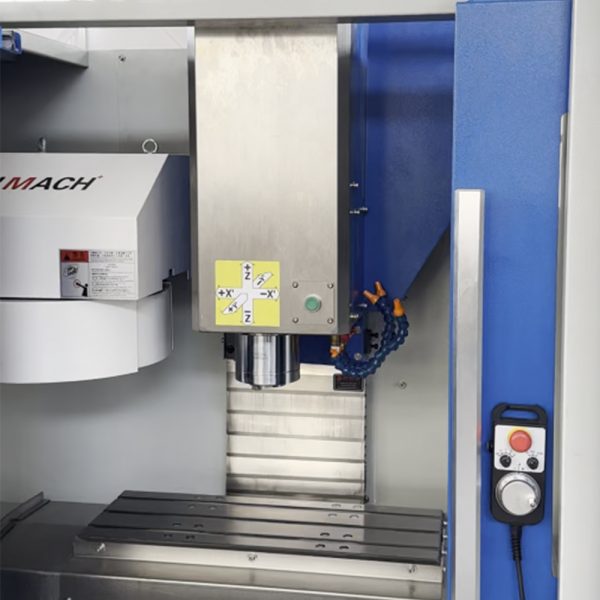
So, what exactly goes wrong between spec sheet and finished part — and who pays for it? Let’s walk through the root problems, no fluff, and see what actually helps us on the workshop floor.
Part 2 — Why Traditional Solutions Fail
cnc vertical machine center vendors often solve the wrong problem. They put more horsepower into the spindle and push higher feed rates, while ignoring the interaction between fixtures, cutting strategy, and control tuning. When I inspect returns, I keep finding the same culprits: mismatched spindle speed, poor tool balance, and controls left at default G-code buffering — the machine has potential, but the setup chain is weak. This is technical but true: upgrading to a faster spindle without addressing chatter damping or servo motors tuning is like giving a race car better tires but no alignment. Parts still vibrate.
What’s the real snag?
Many shops stick to old fixes: buy a new tool, crank up RPM, or blame the operator. Those moves treat symptoms, not cause. Tool changer cycles might be fine, but if the fixture allows micro-movement under radial load, you get scrap and rework. Look, it’s simpler than you think — tighten the fixture, re-evaluate tool stick-out, and adjust cut parameters with a proper cut test. I’ve seen shops save hours weekly just by re-thinking setup, not buying hardware. That change in mindset requires time and training, though — and that’s where many traditional solutions fall short.
Part 3 — New Principles and How to Choose Better
Now, forward-looking principle: integrate measurement and control rather than chasing raw specs. Modern approaches use closed-loop feedback, adaptive feed control, and better tool-path strategies to reduce human guesswork. For example, pairing a small vertical milling machine with a simple probe routine and adaptive feed can cut cycle time and scrap simultaneously. We’ve tried this on jobs prone to chatter — the improvement was obvious: fewer tool changes, less inspection, quicker sign-off. — funny how that works, right?
What’s Next
In practice, look for these principles when evaluating systems: ease of tuning (not just raw speed), quality of control software, and the ecosystem — sensors, probes, and tooling support. I recommend pilots: run a real part on the candidate machine with your tooling and fixture. Measure cycle time, surface finish, and setup time — then compare. If you want specifics, here are three quick metrics to judge any solution: uptime percentage under real schedule, dimensional first-pass yield, and total setup-to-run time. Use these, and you’ll make fewer emotional buys and better long-term choices. In our view, that pragmatic check beats marketing every time.
Choosing well means thinking beyond horsepower. I’ve been in enough workshops to know the fancy brochure rarely tells the full story. Test the workflow, tune the setup, and don’t be shy to ask for a real demo on your critical parts. For practical, well-engineered options, consider Leichman — they get the shop-side realities, and that matters when you’re running tight batches and tight margins.