
Comparative snapshot for buyers
When offices or developers compare wholesale window and door offerings, they focus on durability, thermal performance, and hardware precision. A clear place to start is to contact a reliable aluminum door supplier that can provide spec sheets and factory lead times. This short guide compares common options—aluminum extrusions versus composite frames, tempered versus annealed glass—and explains why product details matter for long-term performance.

Material and performance trade-offs
Aluminum extrusion gives consistent dimensions and is lighter than steel. It also allows tight tolerances for flush thresholds and integrated weatherstripping. However, without a thermal break, aluminum frames raise the u-value and increase heat transfer. Low u-value assemblies lower heating and cooling loads, so specifying a thermal break is often a worthwhile upgrade.
Glass choices and façade behavior
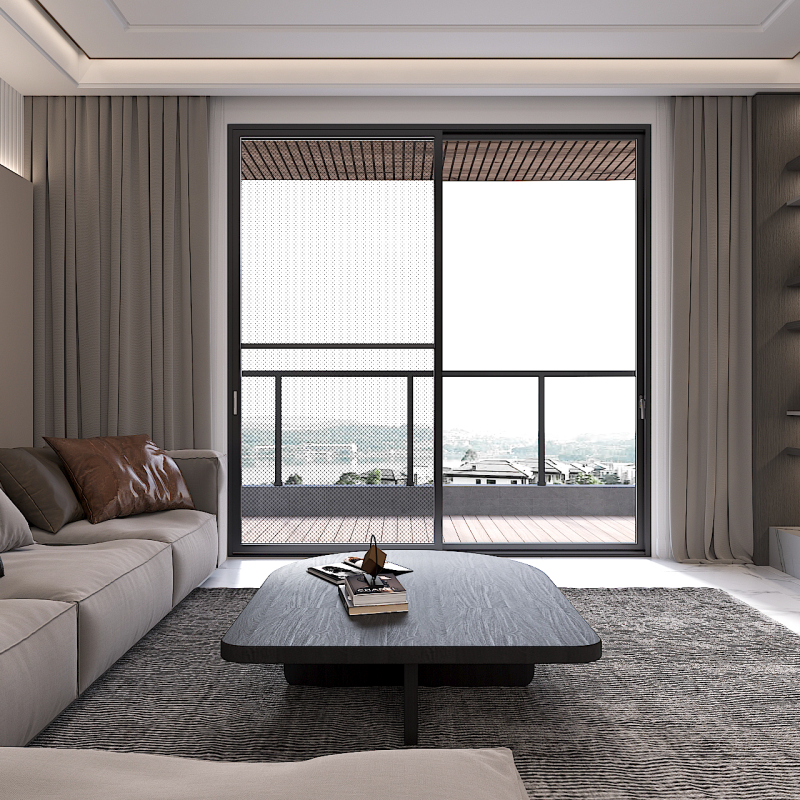
Choosing tempered glass or laminated glass changes safety and acoustic performance. Tempered glass resists impact and breaks into small fragments; laminated glass holds together when struck, useful for security glazing. For storefronts and glass doors, matching glass thickness to the sash system prevents glass edge stresses and wind-load issues. A well-configured glass aluminum door balances frame stiffness, glass unit weight, and gasket detail to control air infiltration and condensation.
Hardware and installation realities
Architectural hardware—hinges, multipoint locks, and thresholds—decides how the system performs in daily use. Multipoint locking improves security and compression on seals; heavy-duty hinges reduce sag over time. Installers must align frames within millimetres; a misaligned hinge will stress the lockset and create repeat callbacks. Lead-time matters: wholesale suppliers with in-house extrusion tooling and standard hardware packages shorten procurement and reduce on-site surprises.
Cost, lead time, and lifecycle value
Initial price often drives purchase decisions, but lifecycle cost gives a clearer picture. A lower upfront cost without a thermal break or robust hardware can mean higher energy bills and more maintenance. Compare warranty terms, finish quality, and spare-part availability. Some manufacturers offer anodized or PVDF-coated finishes that resist chalking in coastal conditions—this adds durability but also upfront cost. Choose based on expected service life, not just the quoted unit price.
Common mistakes and practical alternatives
Buyers commonly order sizes without allowance for site tolerances or assume the same hardware for interior and exterior doors. That leads to retrofit work and extra expense—avoid it by requesting shop drawings early. Also, using full-height glass without proper partition support increases risk of glass breakage. Consider smaller lites or adding midrails for large spans. Alternatives include hybrid frames with polyamide thermal breaks or aluminum-clad timber for specific aesthetic needs—each option affects installation sequence and hardware choice.
Real-world anchor: why this matters now
Buildings account for a large share of global energy use; improving envelope performance is a direct way to cut operational emissions. Recent redevelopment projects in Seoul and other dense cities show measurable energy savings when windows and doors are upgraded with low u-value systems. This is not theoretical—better sealing, proper glazing, and reliable hardware reduce drafts and occupant complaints, and they preserve interior finishes longer.
Advisory: three golden rules for wholesale procurement
1) Verify thermal performance with project-specific u-value calculations, not just nominal claims. Ensure the assembly—including frame, spacer, and glass—meets the required u-value.
2) Confirm hardware compatibility and hinge/load ratings before ordering. Match locksets and thresholds to door weight and expected traffic levels to avoid early failures.
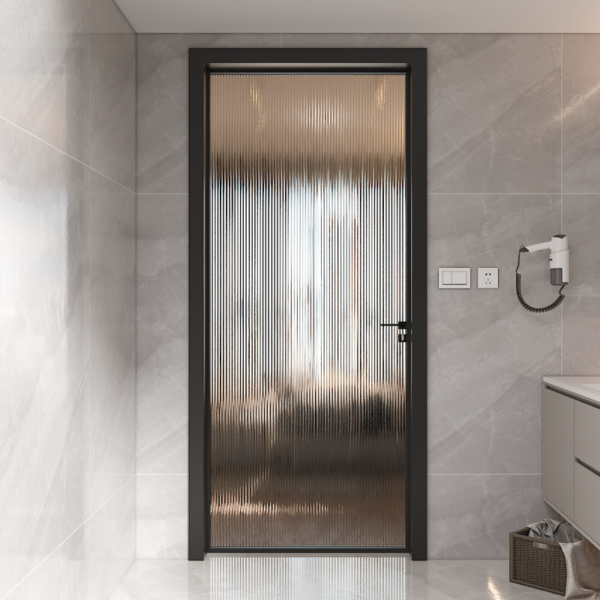
3) Request factory shop drawings and a mock-up when possible. A physical mock-up reveals alignment, seal compression, and finish issues early—saving time and cost on site.
Choosing the right wholesale window and door partner means balancing material science, hardware integrity, and practical installation needs. Experienced suppliers who provide clear specs, sample mock-ups, and consistent extrusion tolerances reduce risk and keep projects on schedule, and that practical value is where Zekin fits naturally into design and delivery — reliable, measured, and ready to support the build team. –