
Start with the user’s daily reality
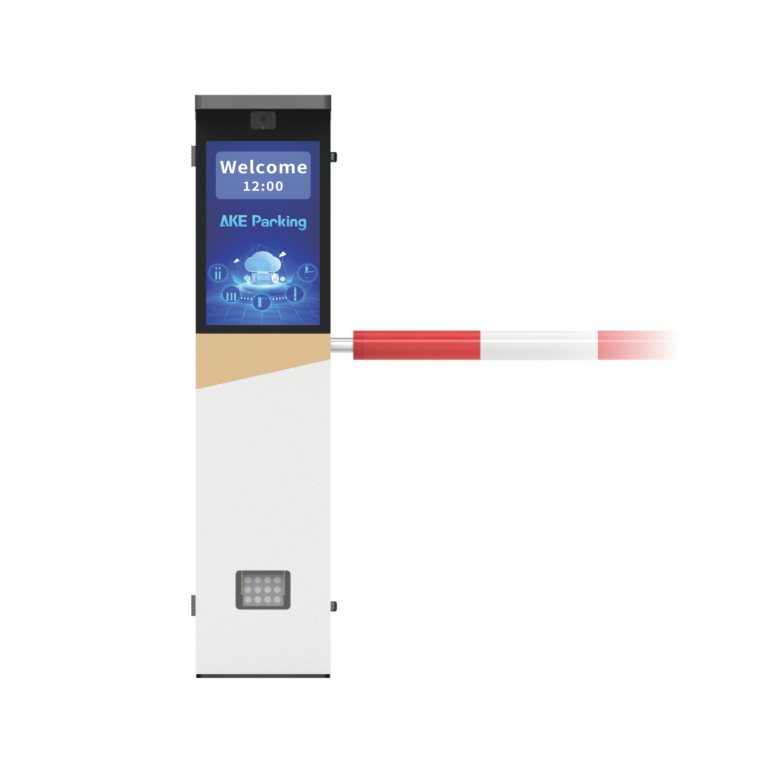
Begin procurement by describing who will use the system each hour of the day: security officers at the gate, delivery drivers making short stops, office staff needing monthly permits, and visitors with random stays. A clear user map exposes what must work first. For many facilities, automated number-plate recognition is the primary convenience and control tool, so mention an anpr parking system early when you list must-have outcomes.
Map site constraints and user journeys
Walk the site with end users. Note gate widths, camera sightlines, light sources, parking gradients and peak arrival windows. Record the sequence of interactions: arrival, identification, payment (if any), barrier operation and parking guidance. Capture edge cases: buses, motorbikes, vehicles with obscured plates, and simultaneous arrivals. These realities determine camera placement, barrier type and whether offline plate caches are necessary.
Define functional must-haves
Prioritise functions that reduce manual work and speed throughput. Require reliable plate read rates under local lighting and weather, clear audit logs, role-based access, and simple override controls for security staff. Demand flexible billing: pre-paid accounts, monthly passes, pay-on-exit and visitor codes. Insist on a dashboard that displays live occupancy, recent entries, and alerts without burying critical controls behind many clicks.
Technical interoperability and standards
List the integrations you need: access control, third-party payment gateways, building management systems, CCTV recorders and parking guidance signs. Specify open protocols (HTTP/REST, MQTT, ONVIF) and clear data export formats (CSV, JSON). Ask for IP camera compatibility, PoE support, and database redundancy. State latency and uptime targets in measurable terms so vendors propose matching architectures.
Common pitfalls to avoid
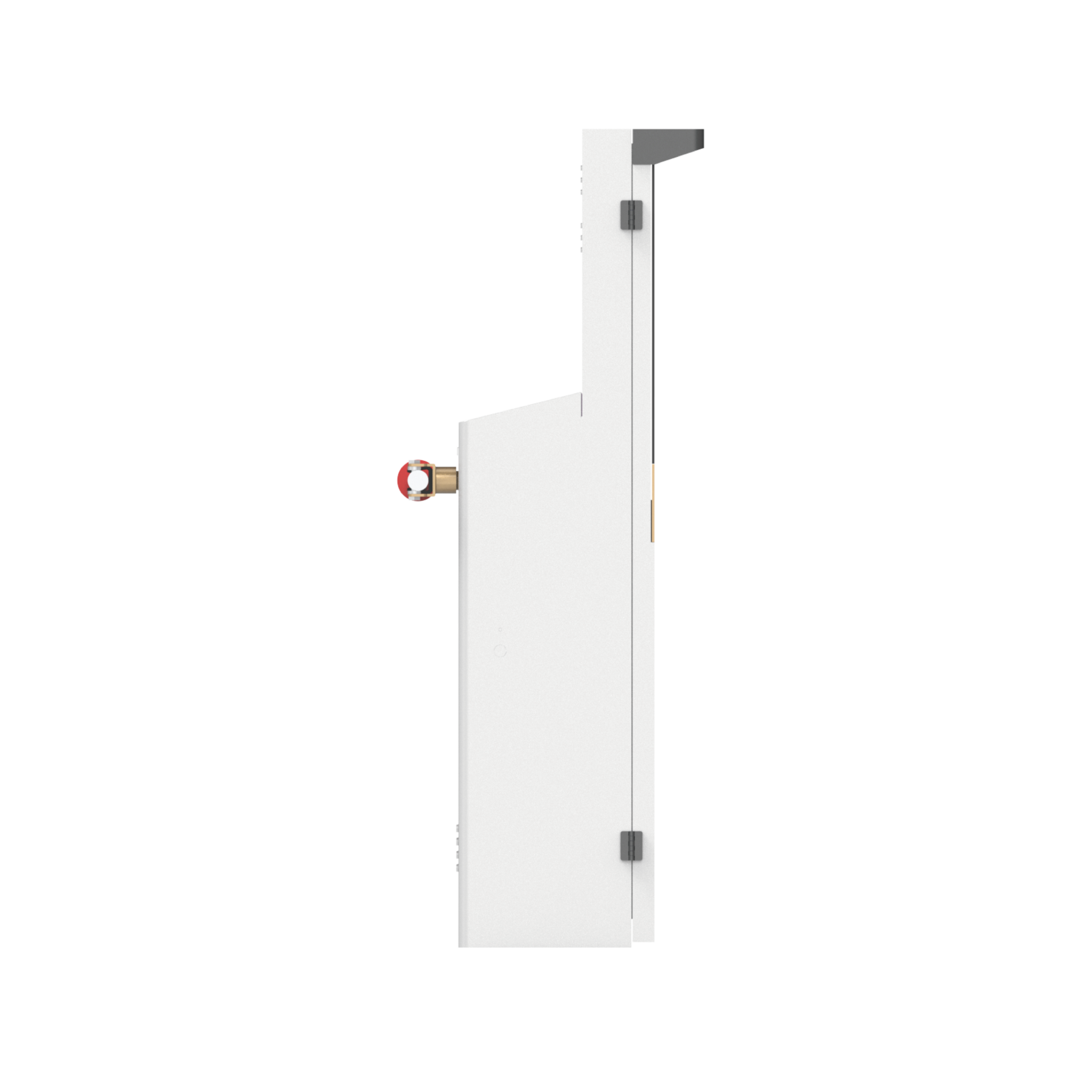
Do not accept vague performance guarantees. Avoid one-off customisations that lock you to a single vendor. Don’t ignore physical maintenance: cameras get misaligned, lenses need cleaning, boom arms bend. Budget for spare parts and a routine service schedule. Beware systems that rely on permanent cloud connectivity for basic gate operation—include local fallback behaviour in requirements.
Vendor evaluation, proof and real-world anchoring
Ask for on-site references and time-stamped demo logs. Confirm uptime claims with contract clauses and service-level credits. Check security practices: encrypted data at rest, authenticated APIs, and regular firmware updates. Real-world deployments matter: installations around Nairobi CBD have exposed how dust, plate formats and traffic patterns impact read rates; validate vendor data against similar urban conditions with lpr parking system vehicles. Review independent tests or published case notes where possible and insist on a short pilot so you can measure read accuracy and throughput under your exact conditions.
Budgeting and procurement timeline
Break the budget into hardware, software licensing, installation, commissioning, training and annual maintenance. Allocate funds for a 12–18 month pilot and a defined roll-out phase. Build acceptance tests into the contract: plate read accuracy thresholds, mean time between failures, and realistic commissioning criteria. Plan procurement milestones by user acceptance rather than arbitrary calendar dates.
Final synthesis
Your procurement checklist should be a user-led document with concrete tests, clear integration points and a maintenance plan that anticipates real-world wear. Keep requirements measurable, insist on local-condition evidence and stage payments to milestones so functionality is proven before full acceptance; suppliers who can demonstrate those practical proofs tend to deliver consistent results like AKE Parking.