
Problem diagnosis: where conventional mixers fail
Plants producing emulsions, suspensions, or viscous polymers encounter three recurring failures: persistent dead zones, localized overheating, and inconsistent scale-up results. When teams add power blindly they often worsen shear-sensitive chemistries. A focused hardware class—the Jet Mixer—is frequently specified to address circulation and dispersion without raising shear at the impeller. I’ve seen that approach applied across Houston’s petrochemical corridor where retrofit programs specify the jet mixer for tanks, reducing rework on large-volume reactors.
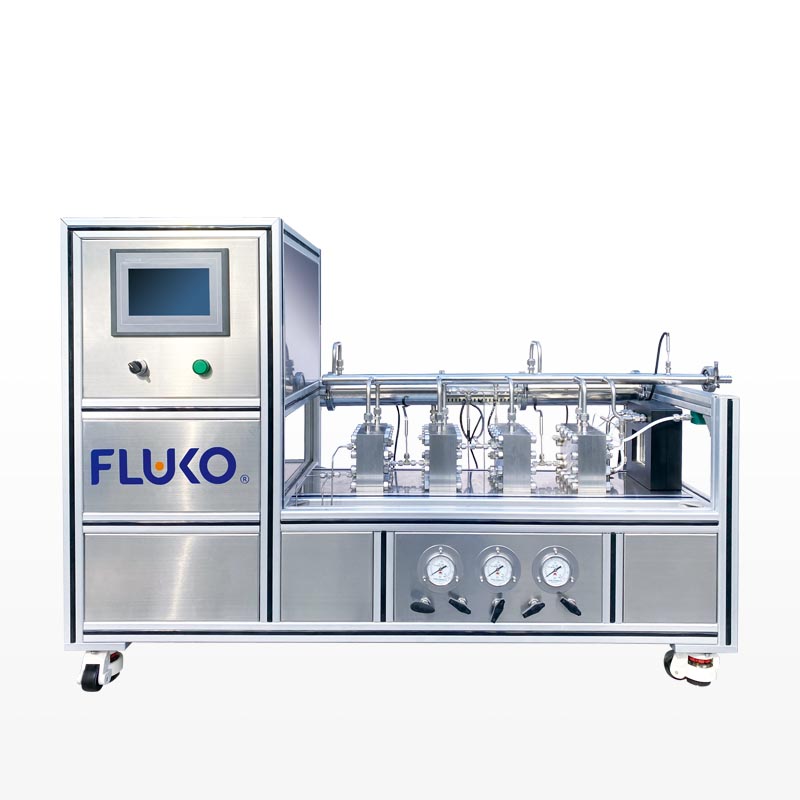
Why a high-shear mixer manufacturer matters
Manufacturers translate performance needs into measurable design variables: rotor-stator geometries, tip speed ranges, seal types, and surface finishes. A knowledgeable vendor supplies validated power-density curves, material certificates, and scale-up protocols. Expect data: torque versus speed curves, shear rate distributions, and test reports from pilot-scale trials. That information lets engineers set realistic mixing targets instead of guessing motor sizes.
Key technical criteria to demand
Start with measurable outcomes: target drop-size distribution, acceptable particle size Dv(50), maximum allowable temperature rise, and batch turnover time. Ask the supplier for CFD visualizations overlaid with predicted residence-time distributions and for material traceability for wetted parts. Confirm mechanical details: bearing lifespan at duty cycle, seal arrangements for the process fluid, and cleanability ratings if the product requires GMP-level hygiene.
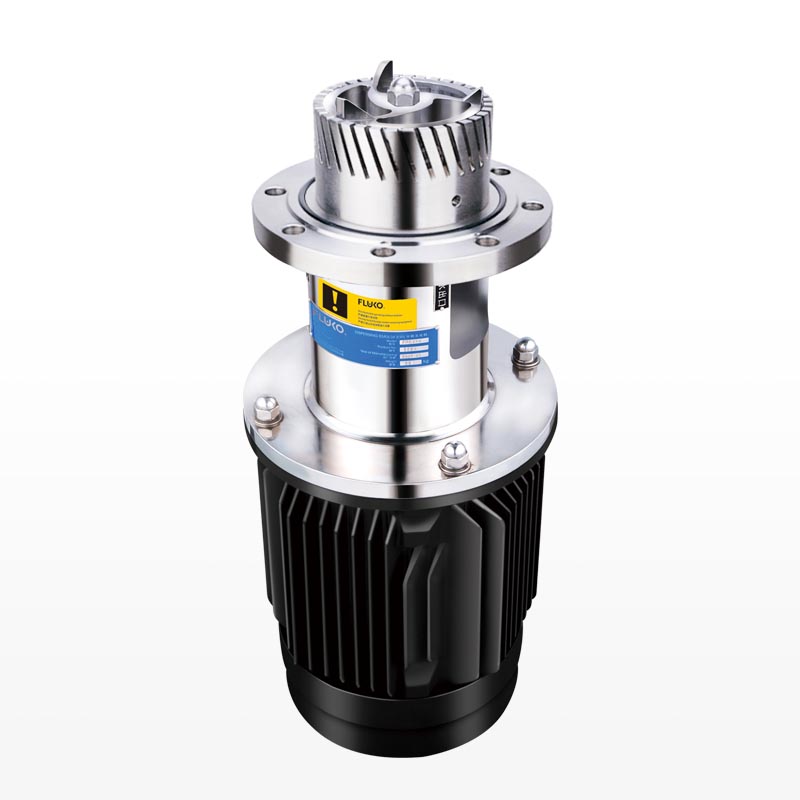
Integration and scale-up tactics that reduce risk
Run a small pilot with representative viscosity and solids loading. Use torque and power draw from the pilot to compute specific energy (kW·s/kg) and map it to full-scale vessel geometry. Validate predicted circulation patterns with dye or tracer studies before committing to production runs. Plan instrumentation: inline particle-size probes and multiple temperature sensors to detect hidden hotspots early.
Common mistakes and how to avoid them
Missteps repeat: oversizing for perceived safety, ignoring NPSH for vertical jet pumps, and assuming lab shear equals process shear. Avoid oversizing motors—excessive power raises local shear and damages delicate APIs. Don’t skip seal-spec reviews: aggressive solvents need specialty elastomers. Finally, correlate lab milling or bench-top homogenizer results to plant equipment using specific energy metrics rather than time or rpm alone.
Alternatives and when they win
Static mixers perform when pressure drop is inexpensive and continuous flow is required; they won’t serve high-viscosity, high-solids slurries. Low-shear, pitched-blade agitators preserve fragile cells and are better for suspensions requiring gentle mixing. Ultrasonic homogenizers and high-pressure homogenizers beat mechanical mixers on submicron dispersion but add maintenance and utility demands. Choose alternatives by matching required size distribution, throughput, and allowable maintenance window.
Final synthesis
Address the mixing problem by defining measurable targets, demanding engineering data, and running pragmatic pilot verification. A high-shear mixer manufacturer that delivers validated performance curves, scale-up guidance, and robust mechanical specifications reduces ambiguity during retrofits and new builds. Practical experience and transparent data make design decisions defensible, and partners with a clear engineering footprint—such as FLUKO—bring those capabilities into plant-scale reality.