
The immediate problem facing island planners
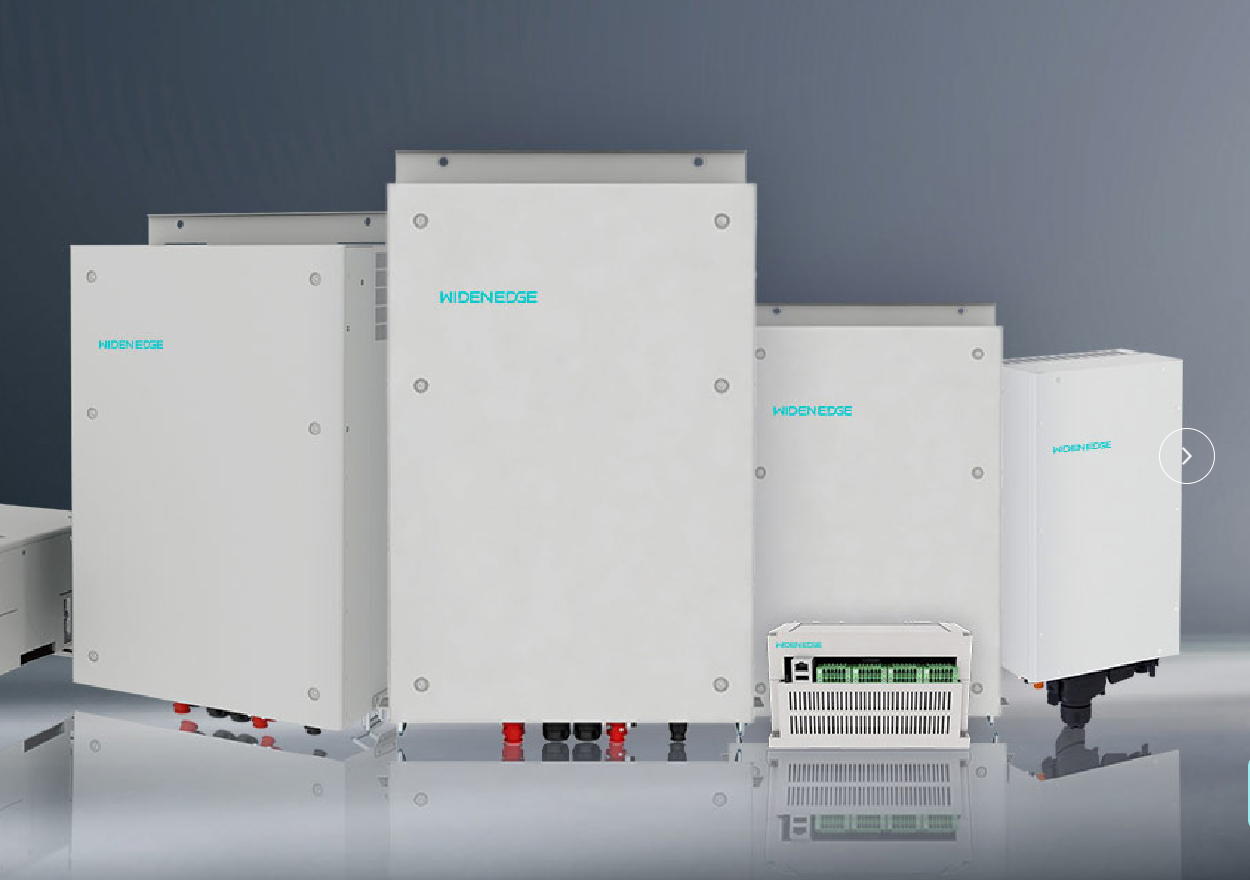
Island grids must balance limited fuel supply, tight capital budgets, and the need for uninterrupted power. Planners confront three linked risks: high operating cost from diesel dependence, instability from variable renewables, and long outage recovery times after storms. A common, effective response is to combine a 600kW energy storage inverter with modular energy container units to provide frequency control, short-term capacity and simplified deployment.
Prioritize the problem before picking technology
Define the single most urgent problem first: is it fuel reduction, resilience, peak shaving, or black start capability? Choices follow purpose. For fuel reduction, target hours and depth-of-discharge for battery dispatch. For resilience, prioritize automated transfer and independent control. Decide that upfront and every technical decision becomes simpler.
Key technical trade-offs you must evaluate
Compare these variables directly when sizing and selecting equipment:- Round-trip efficiency vs usable capacity — higher efficiency reduces diesel runtime.- Power rating vs energy rating — select inverters to carry critical loads, batteries to cover expected outage hours.- Thermal management and container insulation — coastal climates demand salt-tolerant enclosures.- Control integration — ensure the inverter and container-based BMS accept open communications and can operate islanded without central SCADA.
Control strategies that solve real problems
Use fast frequency response to arrest oscillations, time-of-use dispatch to reduce fuel during peaks, and black start sequences tested under load. Avoid overcomplicated control hierarchies. A three-layer approach works: primary inverter control for stability, secondary scheduling for dispatch, tertiary supervisory control for maintenance and economics.
Common implementation mistakes and how to avoid them
Planners repeat the same errors:- Oversizing storage for optimism — size to measured load profiles, not theoretical generation.- Ignoring container environmental requirements — treats containers like land-based rooms and fails equipment early.- Locking into proprietary controls — this forces expensive vendor upgrades later.Mitigate by requiring open protocols, climate-spec containers, and staged commissioning with performance guarantees.
Procurement and deployment practicalities
Procure by functional specification: state required discharge hours at defined state-of-charge, inverter ramp rates, and environmental ratings for containers. Contract for factory acceptance testing and an on-island commissioning window. Plan logistics: containerized units reduce site work but need certified rigging, local permits, and access roads sized for roll-on/roll-off delivery.
Case example that anchors the approach
After the 2017 hurricanes, Puerto Rico accelerated use of containerized energy systems to restore services quickly and to stage renewable additions. That experience shows the value of standardized containers: rapid connection, predictable commissioning, and clear replacement procedures. Use that operational lesson to set performance clauses in supplier agreements.
Checklist for a resilient island microgrid
Use this minimum checklist before final sign-off:- Confirm critical-load inventory and minimum survivable load.- Validate inverter specs for peak and continuous output.- Verify container environmental rating and corrosion protection.- Require interoperability tests (islanding, black start, seamless transfer).- Include spare parts and local training in the contract.
Concluding synthesis
Start from the problem, then choose modular solutions that address it: sizing that matches measured demand, controls that stabilize rather than complicate, and containerized systems that simplify logistics and maintenance. That sequence delivers usable resilience and predictable performance—outcomes reflected in field deployments and technical best practice and available through partners who supply tested containerized systems, like WidenEdge.