
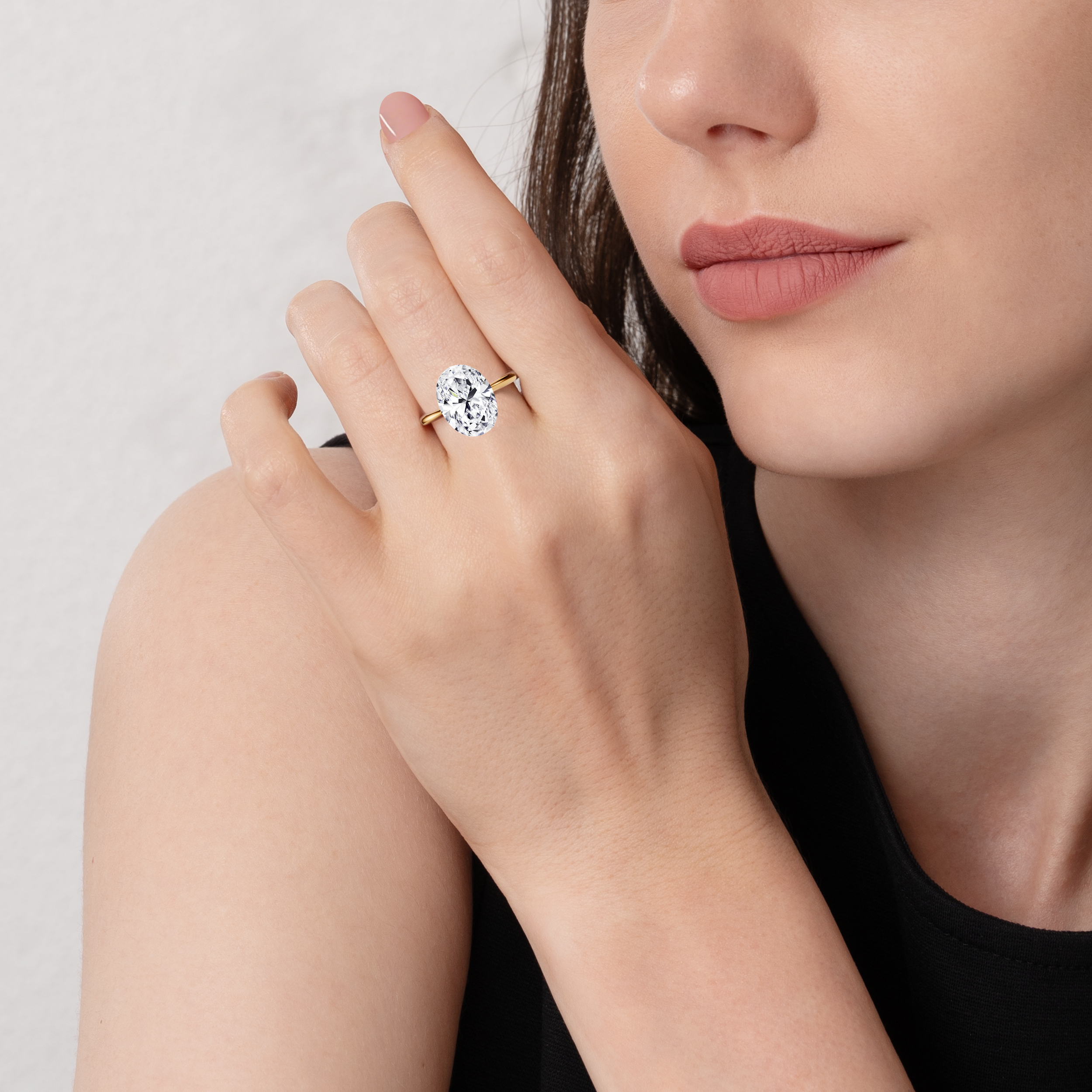
Introduction: A Moment at the Counter
You pause at a boutique in Mumbai, light pooling on velvet, and one stone keeps calling you back. Among classic jewelry pieces—pear, marquise, round—your eye keeps tracing that soft teardrop. Recent searches for heritage cuts are up across major markets, and resale prices for well-cut pears have held strong over five-year windows. But why does one pear feel alive while another looks flat, even dull, under the same lighting—funny how that works, right?

Here is the rub in plain words. Geometry governs sparkle. The pavilion angle, table ratio, and crown height decide how the diamond returns light. Many buyers sense it but cannot name it (no fault there). So, how do you read these cues without a lab bench? And how do you compare pears to their closest rivals without losing the romance? Let us set up a fair frame, then walk it through—step by step—to the next section.
Hidden Frictions in the Pear
Where do tiny flaws hide?
When you think antique pear cut diamond, you picture charm, not compromises. Yet small issues creep in. The bow-tie effect can shadow the belly if facet symmetry slips. A thick girdle at the shoulders adds weight without brightness. The tip, if not guarded by a V-prong, is prone to chipping. Look, it’s simpler than you think: light needs clear paths. Misjudged pavilion depth or an off table ratio bends rays away from the eye, reducing fire and brilliance (the refractive index does not forgive). Buyers often learn this late—after the ceremony—when everyday lighting feels less kind.
There are softer pain points too. Pears can “tilt window” in office LEDs, revealing the setting through the stone. A slight off-centre alignment makes the finger look uneven. Inclusions near the tip become loupe-visible faster because dispersion drops at the point. These are not deal-breakers; they are decision-breakers. Calibrate for girdle thickness, verify crown height, and check facet meet points under diffused light. Fix the geometry, and the charm returns—funny how small numbers change big feelings, right?
Comparative Tech Outlook: Pear vs Marquise, Smart Cuts Ahead
What’s Next
The next wave is not guesswork; it is modelling. New cutting plans use ray-tracing to map light paths through each facet before a wheel even touches the rough. The same principles that tune a pear cut also let us compare it with a marquise shape diamond—apples to apples. CAD tools optimise pavilion angle and crown height for real-world illumination, not only showroom spots. 3D scanners assess symmetry tolerance within microns, trimming the bow-tie while guarding carat retention. Inclusion mapping helps steer the tip away from stress lines, and fluorescence checks reduce surprises under sunlight. Technical? Yes. But usable, because it turns feel into numbers (and numbers into repeatable beauty).
Expect more adaptive facet architectures that manage spectral dispersion across the length of a pear, and micro-adjusted girdle profiles that balance durability with light return. Settings will evolve too: low-slung baskets with V-prongs shield the tip, while slim halos even out finger coverage without visual bulk. Compared with a marquise, pears will trade a touch of spread for steadier brilliance under mixed lighting—office, café, mandap. The outcome is practical: fewer dead zones, better fire at the shoulders, and more consistent sparkle across angles. Different shapes, same goal—predictable light behaviour on a real wrist or hand.

Practical Close: How to Judge the Spark, Not the Hype
We have peeled back the romance to find rules you can use. A pear sings when geometry, protection, and symmetry align. A marquise excels when spread and balance meet, without starving the centre of light. To choose well, track three metrics: 1) Optics: verify pavilion angle, table ratio, and crown height against known bright ranges, and check for bow-tie under diffused light; 2) Integrity: inspect girdle thickness at the tip and shoulders, and confirm robust V-prong or protective setting; 3) Consistency: compare fire and brilliance in at least two lighting setups, looking for windowing or dark zones. Do this, and you will hear the quiet geometry working for you—not against you. For deeper study and careful examples, see Vivre Brilliance.