
On the Dock: A Real Problem Meets Real Numbers
A driver backs up to the bay at 6 a.m., and you’re already short on space and time. The next line item is late, and three cartons look crushed on the edge. Many laundry basket manufacturers promise “heavy-duty,” but returns last quarter hit 7.8%, with transit damage the main culprit. Why? The corrugate failed a simple edge crush test, and the handles sheared under load. So here’s the question: is it the product, the process, or the partner? You’re sourcing a laundry basket supplier, not a miracle worker, but the right one makes fewer mistakes—funny how that works, right?
Look at the numbers you already have. Average lead-time variance: 4 days. MOQ forced you to overbuy by 12%. AQL sampling caught defects late, after full cartonization. And the knock-down design saved freight, but hurt stacking strength in mixed pallets. That’s the everyday grind (no fluff). The scenario is common, the data is clear, and the gap is costly. So what do you change first: materials, methods, or metrics? Let’s stack the options side by side and see what actually shifts outcomes. Here’s how the comparison plays out next.
Past the Surface: Why Old Fixes Don’t Hold Up
Where do old methods break?
Traditional fixes tend to be piecemeal. Swap PP for PE, add a stitch, thicker lid, done. But that doesn’t address failure modes. Handle tear-out is a geometry and fastener issue, not just fabric weight. Warped bases trace back to injection molding parameters and cooling time, not color mix. The classic band-aids ignore the system: resin grade, fiber blend, rivet shear, and airflow in the mold. Look, it’s simpler than you think: design for a target load rating, then validate with a carton drop test and cycle count per hinge. Without that sequence, you ship hope, not durability.
Procurement tricks also fall short. Pushing price without process control cuts corners you can’t see. AQL sampling is good, but it’s late. Better to proof upstream: SPC on handle riveting, moisture control before bamboo lamination, and REACH documentation tied to real batch IDs. Old-school specs say “sturdy.” Useful specs say “800N compression, 3,000 open-close cycles, 1.2 safety factor.” When the spec is measurable, QC can do its job. When it’s vague, failures drift into the field. The deeper layer isn’t a secret—align materials, method, and test. That’s the only way the basket earns the workload.
Forward View: Smarter Builds, Cleaner Decisions
What’s Next
New lines solve the “too late” problem by moving checks to the edge. Small edge computing nodes sit on the press to log torque and temperature in real time. If the cooling curve slips, the cycle flags before the next shot. Servo drives and stable power converters keep cycle variance tight, which reduces warp and trim scrap. In wood-and-fabric builds, CNC-cut bamboo ribs and water-based adhesives lower variance and VOCs. The point isn’t gadgets. It’s tight loops: design → sensor → test → proof. Even in commodity runs, that loop shrinks defects fast—and costs less than you think over a quarter.
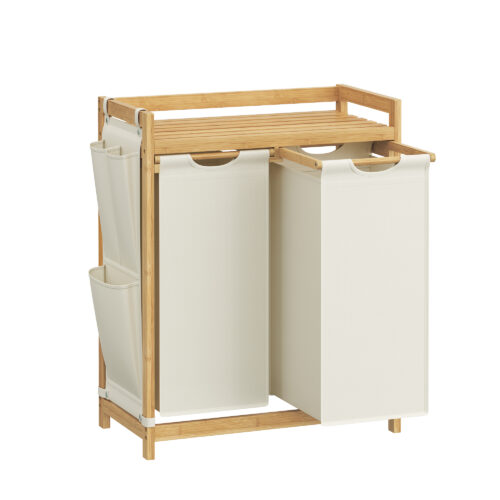
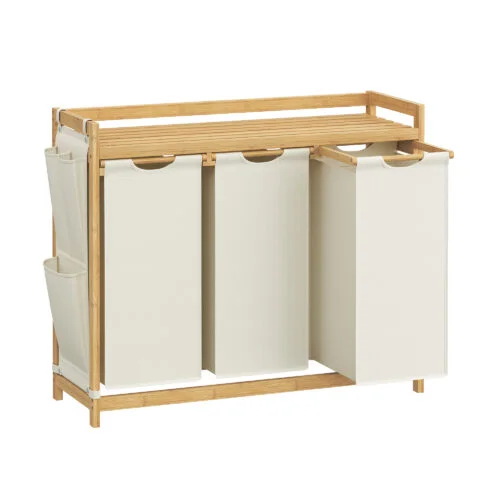
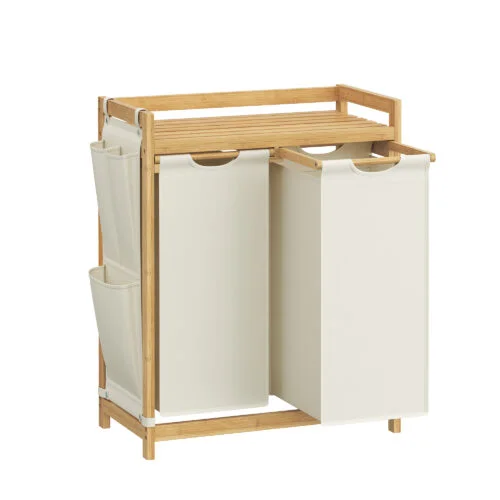
Here’s a practical angle. Compare two supply routes on the same SKU mix. One runs manual checks at pack-out. The other logs process data, then pairs it with pallet compression tests and route simulations. The second will hit cleaner stacking strength and steadier lead-time. If you’re aiming at china bamboo frame laundry basket wholesale, this matters even more. Bamboo swells if moisture drifts; sensors catch it early. And documentation becomes traceable, not a paper chase. Different tone, same truth—get data near the tool, and your returns curve bends down. That’s the real-world impact, not a slide deck— and that’s okay.
Advisory close. Three checks win you time and margin: 1) Structural metric: demand a verified compression strength and handle pull test with the exact fixture you’ll use in the field; 2) Process metric: require line-side SPC charts for one critical parameter per station (mold temp, moisture content, rivet force); 3) Logistics metric: track lead-time variance and pallet drop results per route, not just per factory. Keep those three tight, and the rest follows. If you need a steady hand to compare suppliers against these yardsticks, start with a short pilot and measure. That’s how you get better by design, not by luck. SONGMICS HOME B2B