
Introduction
I once watched a small workshop grind to a halt because a single drive tripped at the worst possible moment — we all felt that sting. The motor controller sat quiet on the bench while production drifted, and the data told a clear story: five repeated faults over two weeks, each one small alone but loud together. Motor controller became the word in every tense conversation that followed (we scribbled notes on scraps of paper and on the whiteboard). Why do simple control choices snowball into costly downtime? I’ll walk you through what I’ve learned — the moments that teach you more than manuals ever do — and point to where fixes actually matter. Now, let’s move into the nuts and bolts and see what’s hiding beneath the surface. — this next part gets technical but useful.

Peeling Back Hidden Flaws
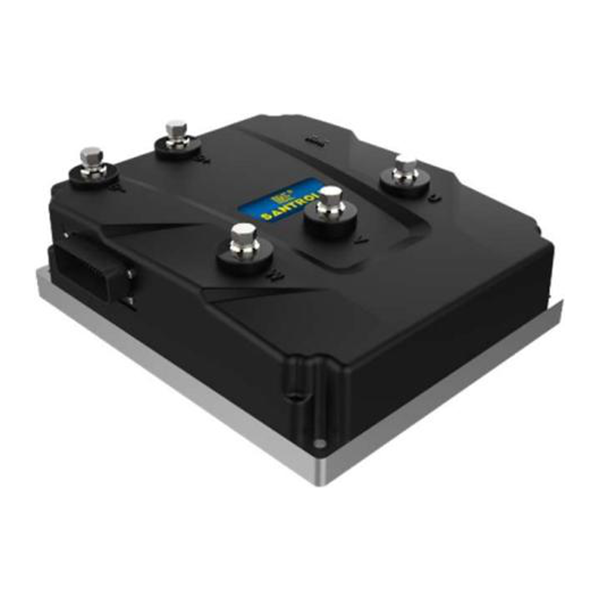
ac motor controller is more than a box of electronics; it’s a choreography of timing, feedback, and limits. I break it down like this: sensors feed a loop, the inverter translates commands, PWM shapes voltage — each step can introduce error. When we audit systems, the same weak spots show up: poor filtering, weak fault logic, and mismatched torque control settings. Those sound like small things until you’re debugging a rattling gearbox at midnight. Look, it’s simpler than you think — but you have to know where to look. I’ve felt the frustration of chasing ghosts in log files; the fix often lies in better signal conditioning and clearer fault thresholds.
Why does this fail?
I’ve seen three common collapse patterns. First, controllers tuned for lab conditions falter under real load variance — the scalar settings that looked safe on the bench suddenly oscillate on the line. Second, communication lag between the PLC and the drive (yes, those stray ms add up) creates false trips. Third, power side issues — poor power converters or transient spikes — wreak havoc despite clean control code. We test for these now by adding simple current sensing, refining vector control loops, and isolating noisy grounds. Small changes, measurable gains. — funny how that works, right?
Future Directions and Practical Choices
Looking ahead, I’m betting on smarter sensor fusion and better firmware that anticipates edge cases rather than reacts. New designs fold in adaptive control techniques so a drive can adjust its own gains when load changes — less manual retuning, fewer emergency calls. When I discuss upgrades with teams, I push for modular inverters and cleaner power stages; that means better uptime and fewer surprise trips. And yes, there’s room for simple habits too: consistent logging, clear labels, and regular bench tests.
What’s Next?
One practical upgrade I recommend is evaluating a modern variable speed controller for ac motor that supports edge diagnostics. These units let you capture short-lived events and replay them for root cause work — priceless when a fault happens at 2 a.m. I sketch a quick checklist with teams: look at transient response, confirm communication jitter, and test under variable loads. We run those checks before any large roll-out. The results? Less rework, calmer nights, and a system that behaves predictably under stress.
To close, here are three key metrics I use when evaluating controllers: mean time between faults (MTBF) under real loads, response time to a transient event (ms), and the quality of diagnostic telemetry (how much useful data you can pull quickly). I recommend scoring candidates on these and choosing what maps to your pain points. I’ve watched choices pay off — smoother runs, fewer emergency fixes — and I want that for your team too. For practical parts and suppliers I’ve worked with, I often point colleagues to Santroll for rugged, serviceable drives and clear documentation: Santroll.