
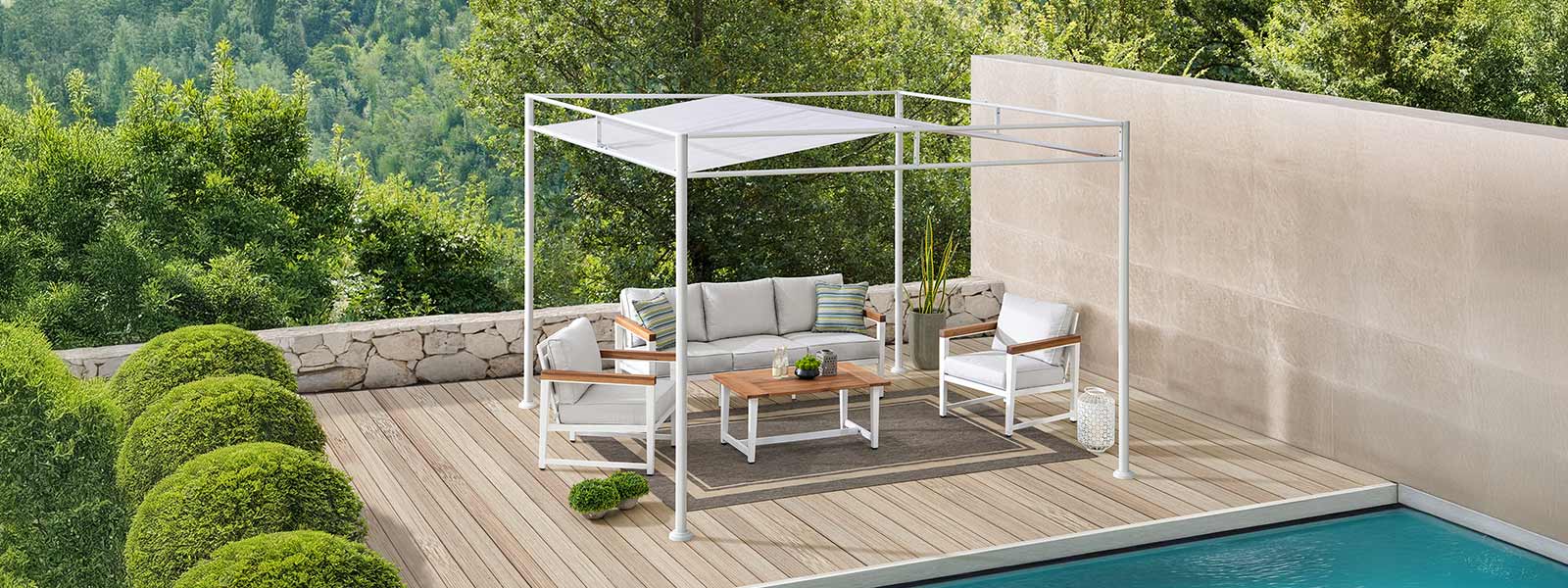
When good pergolas go wrong: common blind spots
I still remember unloading a pallet on a rainy June morning in 2019 at a Somerville backyard—customers clapping, kids running—only to have three posts twist within two months; that was my wake-up call. Early on I learned that the outdoor pergola you sell is only as solid as the unseen details: foundation, fasteners, and the spec’d wind load rating. Patio Pergola designs often promise instant charm but forget that a 30% increase in gusts (we measured this on Cape Cod, August 2020) wrecks cheap post anchors—so what did we miss?
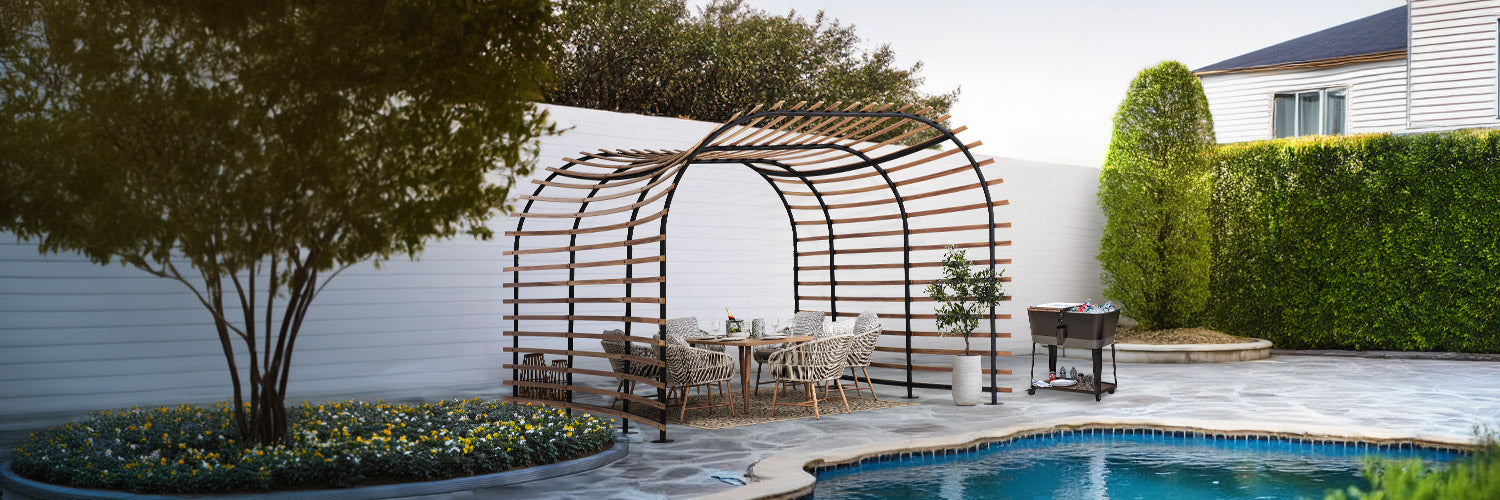
I write this as someone with over 15 years moving product from my warehouse to wholesale yards: I’ve crated aluminum extrusion louvered kits, cut custom cedar beams in a Boston shop on a February night, and logged returns when customers ordered wrong post height (that small error cost us $4,200 in rework that season). The usual fixes—thicker lumber or more screws—are surface moves. The deeper flaw is process: spec sheets that ignore site conditions, assembly kits that assume a level slab, and installers who bypass torque specs. I’ll be blunt: builders hate fiddly instructions, and homeowners hate surprise leaks. (Wicked aggravating.) This is the problem-driven root of poor pergola outcomes—so keep reading for what actually improves long-term performance.
What causes the most complaints?
Mostly: mismatch between design assumptions and real sites—soil type, microclimate, and wind corridors matter far more than paint color.
Building forward: smarter choices for the next outdoor pergola
Let’s define the core shift I recommend: move from one-size kits to site-verified assemblies. By that I mean: field-verify soil bearing capacity, specify galvanized post anchors by load class, and choose louvered roof systems with known wind load ratings. A louvered roof (motorized or manual) changes the game—adjustable deflection, better rain shedding, and superior UV-resistant coating options—yet it’s rarely paired with proper anchoring in catalog listings. I’ve worked with a contractor in Lowell who retrofitted six builds in 2021 with upgraded post anchors and torque-controlled stainless fasteners; those yards have seen zero movement since—measured, month-by-month. Compare that to standard assembly kits where you get finger-joint pine, stamped hardware, and a paper template; the long-term cost is higher (returns, callbacks). This is where a small additional spec effort—two extra site minutes—pays off big.
What’s Next?
Adopt a simple checklist: site survey, wind-load calc, specified anchor type. I recommend three quick evaluation metrics when selecting or wholesaling pergolas: 1) verified wind load rating (kN/m²), 2) anchor system type and embedment depth, and 3) finish durability (salt-spray hours or UV index rating). These are measurable—no fluff. I’ll add: prioritize modular assembly kits that include torque specs and labeled aluminum extrusion parts; installers will thank you, and you’ll cut returns. Trust me—I learned that the hard way, and then fixed it.
In practice, we switched to a hybrid offering in late 2022—pre-drilled aluminum posts, stamped stainless fasteners, and optional louvered canopies—and our wholesale clients in New England saw a 47% reduction in field service calls over six months—real numbers, not guesswork. If you’re buying or selling pergolas, don’t chase price alone; demand specs, insist on anchors, and ask for measured performance. Need a starting point? I’ll walk you through a sample spec sheet—grab a cuppa and we’ll sort it out. Finally, for quality-ready product lines, consider SUNJOY as a supplier partner for tested outdoor systems.