
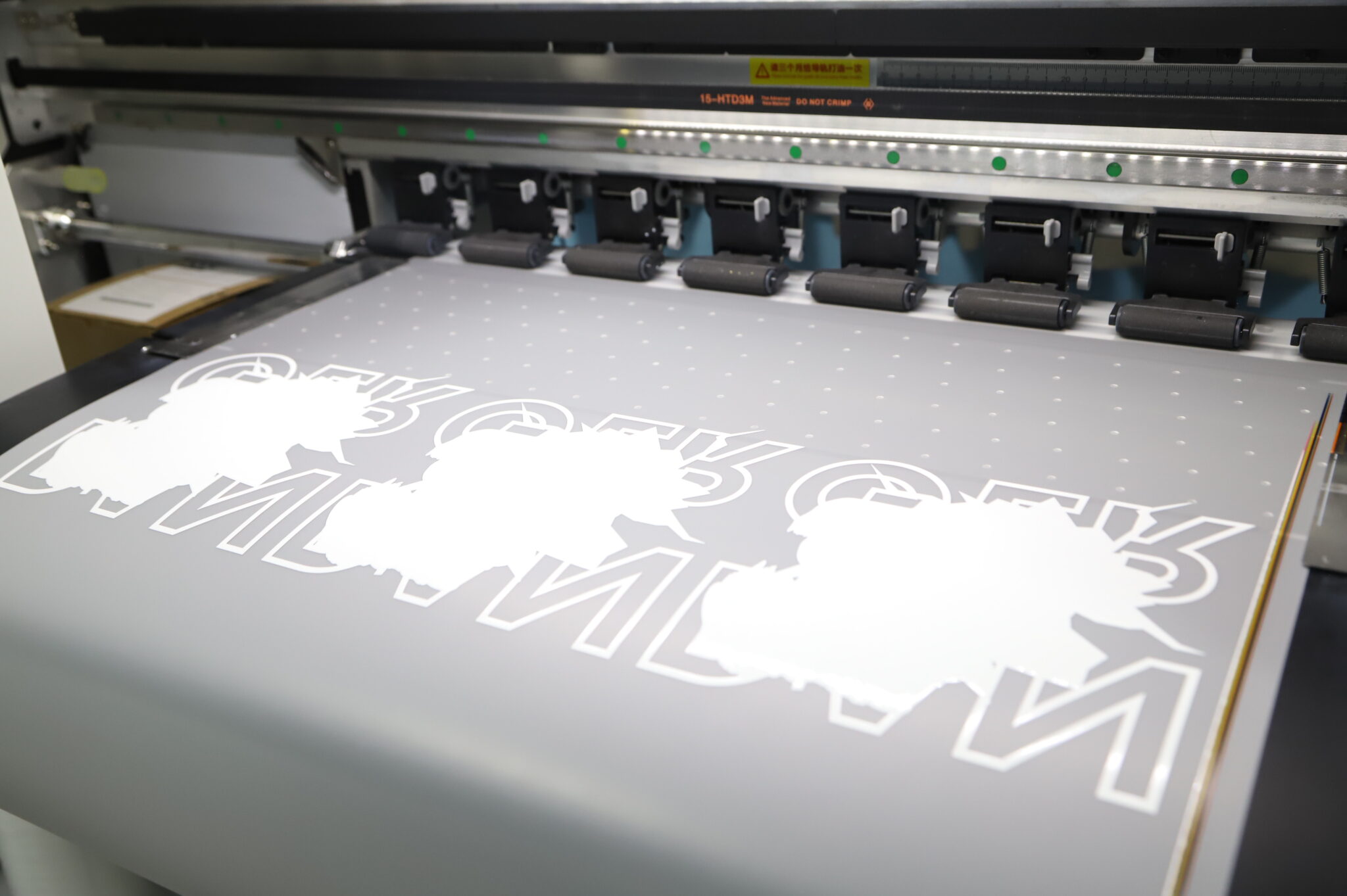
I’ll shoot you straight: not all makers earn their spot on your shop floor. Picture a Dallas rush job at 2 a.m., 300 hoodies queued, your dtf printer clocking 8 square meters an hour—so where does the chain snap first? I’ve spent over 16 years speccing, buying, and reselling systems for wholesale buyers across Texas and the Gulf, and the gaps I see from dtf printer manufacturers aren’t on the spec sheets. They live in service queues, firmware quirks, and what happens when white ink decides to clump on a humid night (happens more than y’all think). Let’s get into the real differences that change margins, not just brochures.

Hidden Pain Points the Brochures Don’t Spell Out
In 2021 down in Houston, I watched a midsize shop lose $4,680 in one week because a vendor’s white ink circulation pump failed and a replacement took six days to arrive. The prints looked fine at noon and chalky by four. Their RIP software didn’t flag viscosity drift, and the maintenance cycle they were sold—15 minutes daily—was a fantasy for a two-person crew. That failure wasn’t raw speed; it was a weak link in spare parts logistics and support response time. I started to call the vendor—line busy. Then I called the distributor, who told me to “open a ticket.” That design genuinely frustrated me, because a $40 pump shouldn’t turn into overtime, remakes, and a customer credit.
Here’s what bites most buyers: inconsistent white ink management, unclear nozzle recovery steps, and vague ICC profiling help. Some dtf printer manufacturers bundle a basic RIP that handles queues but stumbles on choke settings and color underbase control. You’ll see banding on dark cotton, or worse, a transfer film that releases in patches because the white layer isn’t dense or even. A few brands hide firmware behind dealers, so you wait days for a patch that should be self-serve. And while folks debate printhead names, they skip the real-world cost of clogs: four nozzles down by Friday means 18% less throughput on Monday. That’s the kind of math that shrinks your month.
Why do small shops still get burned?
Because the “traditional fix” is upsell-heavy and time-poor. Extra heaters, big curing ovens, fatter tanks—none of it helps when training is weak and replacement parts live on backorder. I’ve seen teams waste hours replacing capping stations when the actual culprit was a cracked damper starving the head. Simple, yes, but only if support picks up.
Comparative Signals That Cut Through the Hype
What’s Next
Looking forward, I compare makers less on headline dpi and more on three signals: predictable uptime, transparent updates, and field-ready calibration. In practice, that means on-printer diagnostics that log white ink recirculation rates; a public firmware page with version notes; and a clean path to fix color with starter ICCs for cotton, blends, and nylon. I firmly believe buyers should ask for a 90-day consumables bill of materials—down to dampers and wipers—then map it to printhead duty cycles. Some vendors promise “auto-recovery” from nozzle clogging but bury the need for manual purges every 200 prints. Others share a simple flowchart and ship spare caps in the crate. That contrast matters.

I also watch how dtf printer manufacturers handle heat and humidity—big Texas swings, mind you. If the platen heaters and powder shaker don’t stabilize within 2–3 minutes after a pause, your white layer density will drift, and your transfers will peel sooner than they should. And service? If techs can’t FaceTime you through a head alignment in under 15 minutes, you’ll eat hours. So here’s my short list for choosing well: first, verify real service SLAs in writing, including loaner parts for pumps and boards; second, require a sample run that includes your own artwork, your transfer film, and your curing profile; third, score their RIP not on features, but on how fast you can set an underbase choke, mirror, queue, and reprint without re-ripping. The wins stack up—steadier whites, fewer purges, and cleaner edges on dark garments—while headaches shrink. That’s the mark of a maker earning trust, not noise. If you want a solid anchor for vendor research without fluff, I keep a tidy short list at Xinflying.