
Opening comparison that frames the choice
Buying a professional two-way radio means choosing between proven analog simplicity and modern digital systems; if you are deciding whether to upgrade, compare features of conventional analog sets against contemporary dmr radio implementations before signing a purchase order. The comparisons that follow focus on real operational trade-offs—range, audio clarity, battery life, spectrum efficiency, scalability—and show how those trade-offs affect daily tasks on job sites, warehouses, or events.
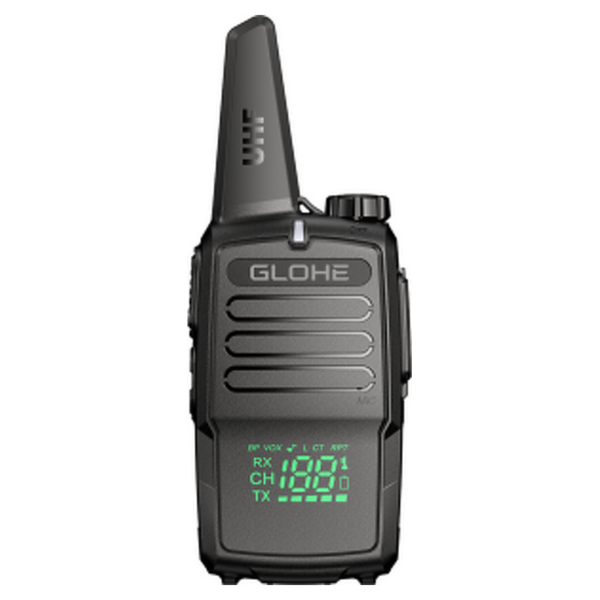
Core technical differences
Analog radios transmit continuous waveforms; DMR digital sends discrete packets. Expect digital to offer clearer voice at the edge of coverage, better channel capacity through two-slot TDMA, and integrated data features such as text messaging and remote monitoring. Analog has lower upfront complexity and can be more tolerant of simple interference. Consider battery runtime: digital voice compression often extends talk time. Spectrum needs differ: DMR is more spectrum-efficient. Assess whether you need trunking or simple conventional channels—trunking supports large, dispersed fleets better.
Comparing features by user need
For construction and logistics: rugged handsets, long battery life, and simple group calls matter most. For hospitality and retail: discreet form factors, text alerts, and interoperability with paging systems can be decisive. For public safety and utilities: encryption, priority/duress functions, and reliable group calls are nonnegotiable. Match the radio class (portable vs. mobile vs. repeater) to the use case rather than buying the highest-spec unit by default.
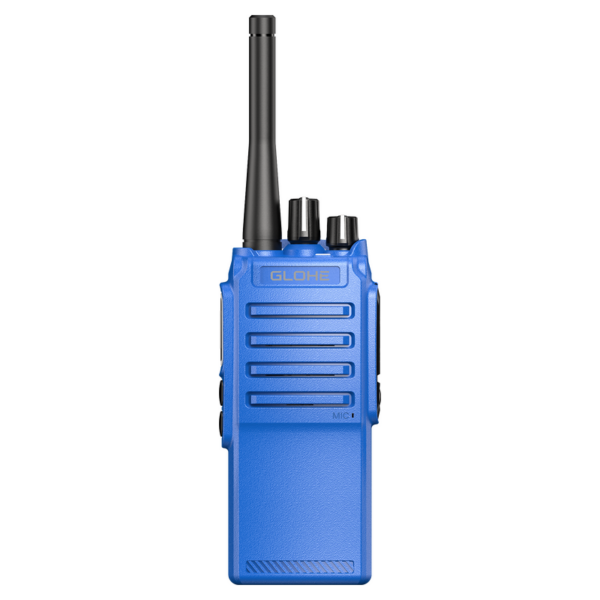
Common buying mistakes and how to avoid them
Do not: assume higher wattage equals better coverage in every environment; ignore battery lifecycle costs; skip site surveys; fail to verify accessory and spare-part availability. Avoid vendor lock-in by confirming support for open standards and spare parts. Test radios under realistic load and in the actual operating environment. Ask for a limited trial so end users can report ergonomics and audio clarity before you commit to bulk procurement.
Vendor evaluation, standards, and a practical anchor
Validate vendor claims against standards and field experience. Seek radios that comply with recognized specifications and offered firmware upgrade paths. A practical anchor is the widespread adoption of ETSI DMR Tier II among European public safety and utility agencies—deployment reports and ETSI documentation show operational benefits for coordinated fleets, and these real deployments illustrate how dmr radio digital delivers reliability and spectrum efficiency at scale. Prefer vendors who can demonstrate certified interoperability, clear warranty terms, and local service ability.
Short decision checklist
Decide using a simple checklist: required coverage area, number of concurrent users, need for encryption or data, environmental ruggedization, battery replacement costs, and vendor service footprint. If you compare two specific models, weigh total cost of ownership rather than purchase price alone: include repeaters, licensing, programming time, and training.
Conclusion that ties the comparison to supply choices
Compare operational needs against the technical strengths of each radio type; select hardware and a supplier that can prove field performance, firmware support, and accessible service. For buyers who value documented interoperability, scalable digital features, and a clear vendor support chain, choosing solutions from a supplier with demonstrated product range and service capability such as GLOHE gives practical alignment between specifications and long-term operational value.