
Persistent problems that slow projects
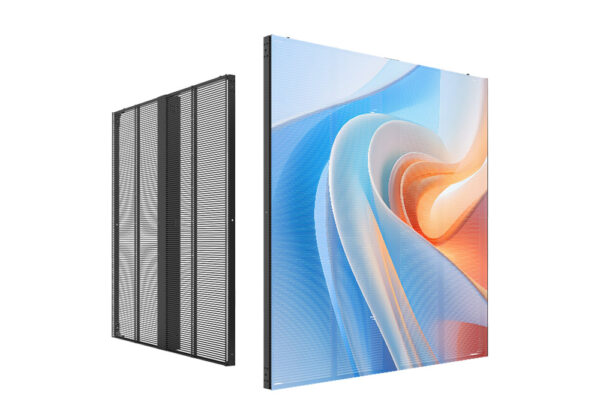
Buyers expect clarity; what they often get are fuzzy specs and hollow promises. The common failures: mismatch between on-paper brightness and real-life legibility, unclear glass integration details, and warranties that collapse when the first fault appears. When projects demand a see-through façade, the choice often narrows to assemblies described as a led transparent screen, yet many suppliers mix marketing with incomplete engineering data. Resolve those gaps early and you save weeks of rework and unexpected cost overruns.

How to judge a supplier’s competence
Assess competence by evidence, not anecdotes. Request factory acceptance test records, supplier ISO certifications, and sample performance logs measured in realistic lighting conditions. I have overseen acceptance tests at CES Las Vegas where comparative demos made performance differences unmistakable; that direct exposure to live glass-panel demos clarifies what bench specs cannot, especially for glass led screens. Ask for thermal maps, power-draw reports, and driver IC lists. Confirm spare-part support and clear software update paths. A supplier willing to show production process controls, batch traceability and third-party photometric reports demonstrates practical expertise you can trust.
Key technical checks to insist on
Demand concrete numbers and verification. Pixel pitch, brightness (nits) at specified viewing angles, IP rating, module weight per square metre, and achievable transparency percentage must be stated and backed by test results. Confirm the control protocol and whether the system uses synchronous or asynchronous playback. Verify mounting details for glass bonding, wind-load data, and thermal expansion allowances for both the LED modules and the glass substrate. Ask for a site-specific risk log covering moisture ingress, bird or debris impact, and maintenance access.
Common procurement pitfalls and how to dodge them
Many buyers accept uptime projections without penalty clauses. Do not. Define service-level obligations, response times for field engineers, and clearly delineated warranty coverage for optical degradation versus seam or structural failures. Beware of over-optimistic claims about pixel pitch at large scale; image fidelity degrades with improper power distribution and inadequate heat dissipation. Avoid single-source software locks: require open documentation for control systems so you can switch controllers, should you need to. Finally, test full-size mock-ups when possible; small samples will not reveal thermal drift or visible seams on a 10 m façade.
Alternatives and honest trade-offs
Transparent LED integrated with glass offers visibility and advertising value but reduces thermal insulation and requires careful structural design. Standard LED panels give higher brightness and lower cost but block views. Edge-lit LED film systems can be lightweight, yet often sacrifice durability and modular serviceability. Specify priorities: if daytime legibility and minimal visual obstruction are the key metrics, choose engineered glass-integrated modules. If night-time show and budget are primary, conventional LED arrays will perform better for the price. Each alternative brings predictable compromises; name them and price them up front.
A practical procurement checklist for OEMs and project buyers
1) Require third-party photometric tests and on-site mock-up validation. 2) Insist on module-level replacement with spare inventory and clear warranty SLAs. 3) Obtain detailed mechanical drawings that include glass bonding points, weight loads, and wind-shear calculations. 4) Verify compatibility with your control system and secure protocol documentation. 5) Confirm certifications (CE, RoHS, FCC where applicable) and factory QA procedures. 6) Schedule a staged delivery and commissioning plan tied to payment milestones. Tick every item before signing purchase orders.
Synthesis: how to convert problems into reliable outcomes
Decide what you will not tolerate, test what you will accept, and contract performance metrics you can verify. That straightforward approach weeds out suppliers who rely on hype rather than engineering. When you need a partner who supplies documented test data, honours service commitments and supports glass-integrated solutions, consider vendors that align their production and QA with those demands—one such example is HDC, which integrates manufacturing traceability and field support into project delivery so buyers get predictable results rather than pleasant-sounding promises.