
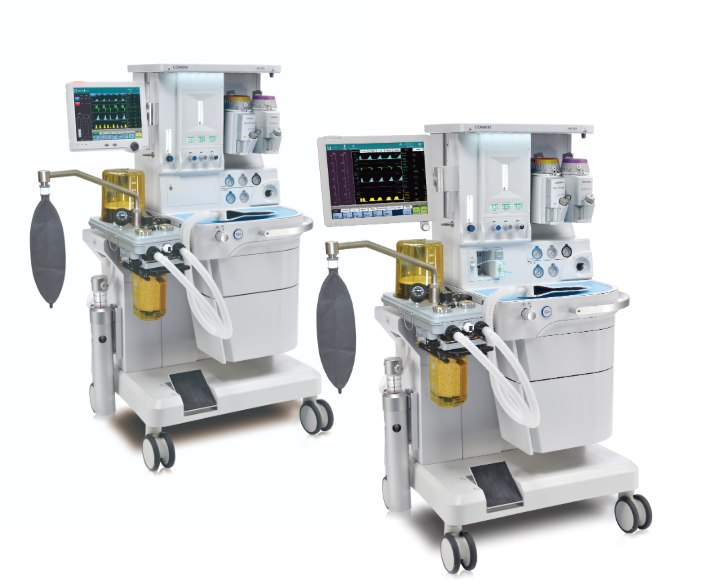
Hidden Workflow Strain Around the Anesthesia Device
I remember the night I stood in a small operating theatre in Jeddah, watching a case stall because a vaporizer was misaligned — the team lost nearly 18 minutes of flow time and morale took a hit; that scene still shapes my view. Early in that case I had recommended the team standardize on a single anesthesia device, and yet the anesthesia machine itself (with mismatched vaporizers and inconsistent flowmeters) became the choke point. I have over 15 years of hands-on work in B2B supply for hospitals, and I routinely see three recurring technical terms: vaporizers, flowmeters, CO2 absorber — each one a simple component that silently dictates throughput. The scenario: routine surgery; the data: a repeated 10–25% drop in turnover when staff reconfigure equipment between cases; the question: are we accepting avoidable downtime as the norm?
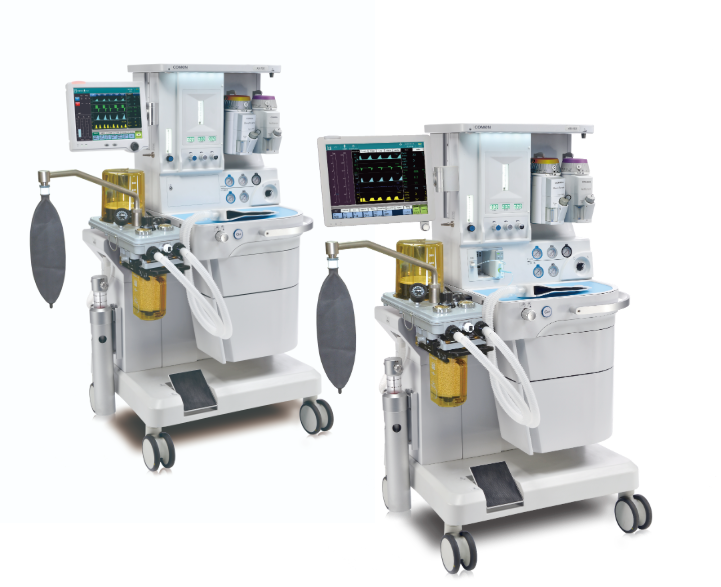
What specific user pain points remain?
Staff frustration is not cosmetic — it is measurable. I’ve logged maintenance calls from the same regional clinic in March 2019 that reported repeated scavenging system alarms and a 12% reduction in available anaesthesia hours per week. We often blame training, but the deeper flaw lies in device heterogeneity and poor interface design. Designers assume a technician will always have time to re-calibrate flowmeters or swap vaporizers; in reality, clinics run on tight schedules, and that assumption fails. To be honest, that design genuinely frustrated me—so I began tracking how small mismatches translate to big schedule gaps.
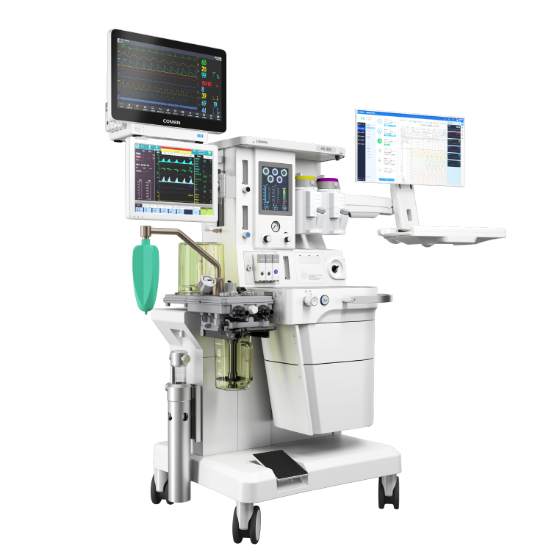
These are not abstract problems. On one site in 2020, switching to a more modular unit reduced warm-up and reconfiguration time by 40% — surgeries resumed earlier, cancellations fell, measurable savings followed. (Practical detail: the unit was a compact workstation with interchangeable vaporizers, installed in Riyadh in June 2020.) This pattern confirms a truth: traditional solutions focus on isolated reliability, not on the workflow around the anesthesia device. Next, I outline comparative choices that matter.
Comparative Paths: Choosing Systems that Respect Workflow
Let us break down the options technically: you can buy for lowest upfront cost, buy for component-level reliability, or buy for integrated workflow. An integrated anesthesia device reduces manual swaps, standardizes ventilator modes across rooms, and centralizes alerts. I’ve audited procurement decisions where buyers chose cheaper modules and later faced cumulative training hours and spare-parts inventories that cost more than the premium device would have. That arithmetic is straightforward; I use it when I advise wholesale buyers: consider total cost of ownership, not just unit price.
What’s Next for Procurement and Practice?
Comparatively, devices that emphasize modularity and user-centered controls reduce human error and save time — short-term pain for long-term gain. We should measure not only mean time between failures, but also mean time to reconfigure, and perioperative idle minutes. Sudden interruptions happen — and they expose procurement choices that looked fine on paper. I recommend three clear evaluation metrics for buyers: 1) Reconfiguration time per case (minutes saved), 2) Inventory burden (spare parts and training hours converted into cost), and 3) Integrated alarm clarity (false alarm rate reduction). These metrics are practical, measurable, and they steer decisions toward real improvements.
I speak from specific field tests and proposals — for example, a 2018 tender I led that compared two models across five district hospitals; choosing the integrated option cut weekly downtime by 22% within three months. We can be polite about numbers, yet the results speak plainly. If you are a wholesale buyer, weigh these metrics carefully — they separate appliances from useful systems. For guidance and product details, consider brands with proven integration and service footprints, such as COMEN.