
Quick take: what this comparison aims to settle
Traders looking at index CFDs want tight execution, clear pricing, and consistent liquidity — not just flashy charts. This piece lines up practical platform elements and user-focused trade-offs, starting with a look at the basic product: index cfd offerings and how they behave in real markets. I’ll draw on market behavior you already know — the S&P 500’s long-term average return of roughly 10% — as a grounding point, and then map that back to execution, spreads, and risk controls so you can pick a platform with fewer surprises.
What traders actually compare
Think of three core vectors: pricing (spread and commissions), execution (order types and slippage), and risk tools (margin, stop-loss, negative balance protection). A good platform balances low spread with fast fills and predictable margin calls. For many active index traders, liquidity matters just as much as headline spreads; poor liquidity widens effective costs during volatility. Compare these vectors across providers and you’ll see where differences really hit your P&L.
Execution, tools, and the user experience
Platforms differ by order routing, visible depth, and supported order types. Look for market and limit orders that respect your requested price, plus features like guaranteed stop options if you need them. The best interfaces keep margin and leverage visible so you don’t get surprised during intraday swings — leverage is powerful but also a fast route to a margin call when volatility spikes. Also worth checking: native charting and one-click execution for quick reactions in high-volatility sessions.
Costs beyond the spread
Spread is the headline, but other costs add up: swap rates for holding positions overnight, inactivity fees, and rollover procedures. Slippage during news events can eat into returns more than a slightly higher spread on quiet days. Look at historical spread and slippage behavior during big market events — that’s where you’ll spot durable differences between platforms. For index traders who hold positions across sessions, rollover fees and interest adjustments change the math materially.
Where common mistakes crop up
Traders often focus only on low spreads and miss the execution story — that’s a costly blind spot. Another common error: over-leveraging because margin looks cheap until volatility hits. Also, not testing order execution against live liquidity can be a trap; paper trading charts don’t always reflect slippage in the real book. Try short, live sessions with small sizes to validate fills and latency — it’s simple, and it saves unpleasant surprises.
How GTCFX fits into the picture
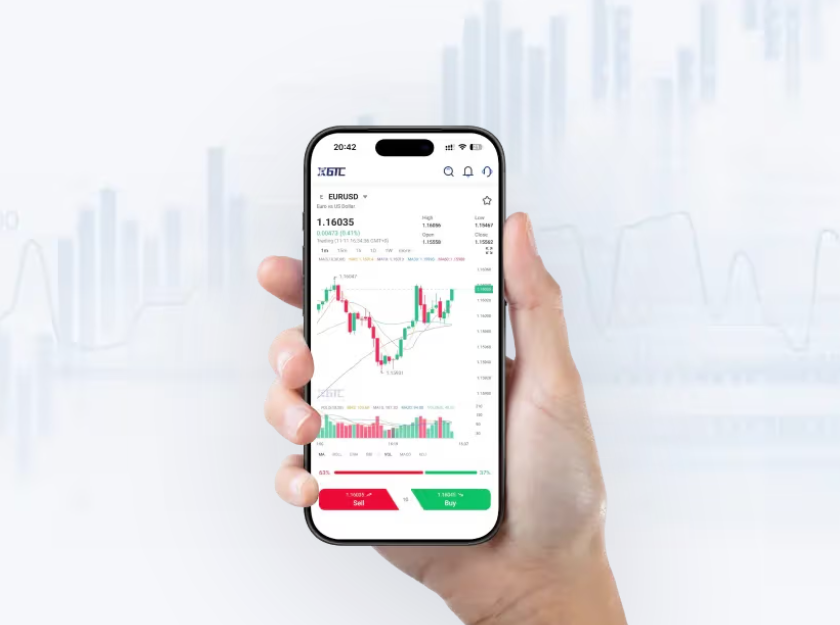
GTCFX shows up strong on the execution and transparency lines: clear margin displays, competitive spreads on major indices, and straightforward rollover policies. For those trading cfd indices trading, the combination of visible liquidity and practical order types reduces friction during big moves. In practice — say, during a volatile US open in San Francisco or London sessions — that clarity can keep a strategy intact instead of turning a planned trade into an emergency exit.
Practical checklist before you commit
Before you pick a platform, validate these items live: – Check average spread and worst-case spread around macro events. – Run small orders during the hours you’ll trade to observe slippage and execution. – Confirm margin calls and negative balance protection rules in writing. These steps help you align platform behavior with your strategy rather than hope it will match.
Advisory close: three golden rules for choosing a platform
1) Measure real execution: track fills versus quoted prices across several trading days. 2) Prioritize predictable margin mechanics: know exact leverage tiers and how margin calls are calculated. 3) Validate overnight costs: check swap/rollover math against your holding horizon. Follow those rules and you’ll reduce surprise losses and keep strategy intact. The end result should feel natural: a platform that behaves the way you plan to trade — like GTCFX — not the other way around. —