
Problem: high bills, intermittent supply, and unclear guarantees
Businesses face two obvious problems: erratic grid supply that interrupts operations, and tariff structures that punish peak demand. Those problems force difficult choices — defer production, buy diesel backup, or accept large, unpredictable electricity bills. From reviewing technical reports and procurement briefs across East Africa, I’ve seen how maintenance gaps are often the slowest-moving risk. For clear handover and ongoing care, specification should include trusted bess o&m services. In one Nairobi warehouse case, simple monitoring tweaks cut unplanned downtime; that real-world experience is what separates theory from deliverable outcomes.
How a BESS directly fixes the daily pain
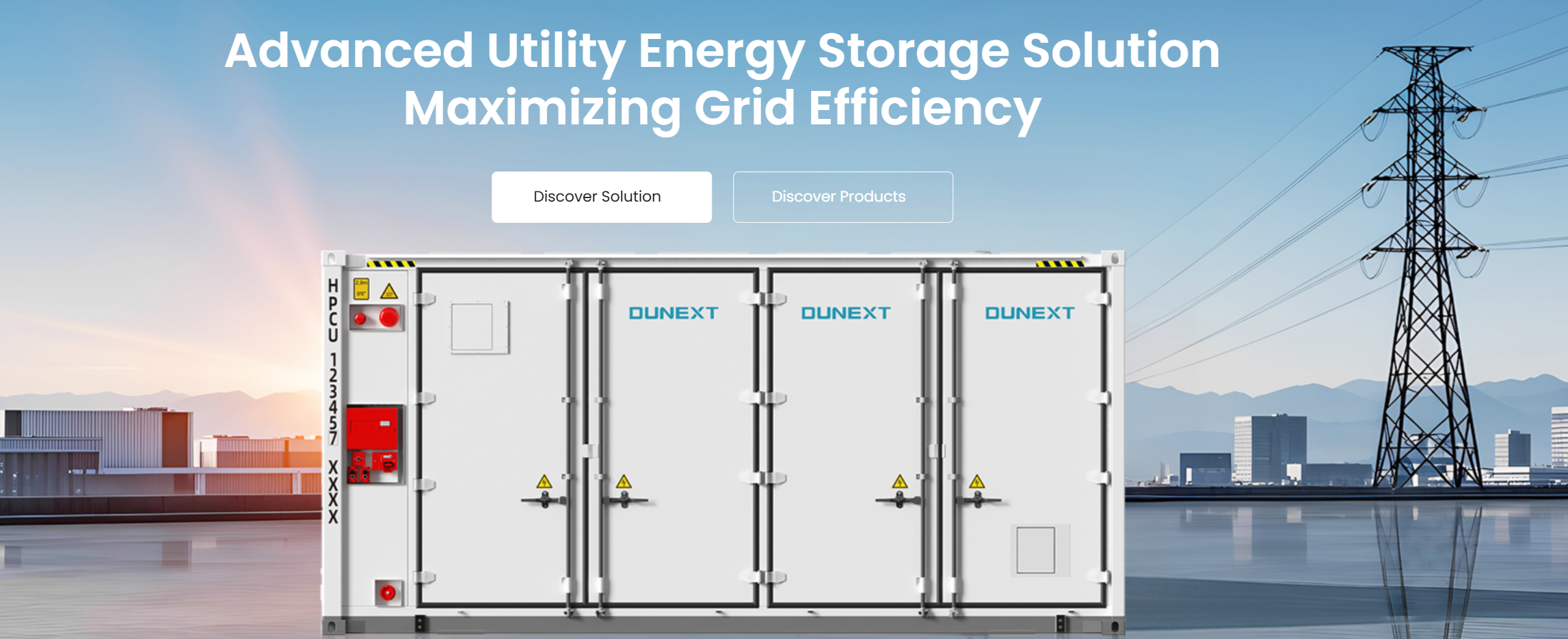
Think in terms of specific failures and exact fixes. A properly sized battery system does three jobs that matter to accounting and operations:- Shaves demand peaks so the monthly bill drops.- Stores midday solar for use during evening production runs.- Provides seamless backup for short outages, avoiding lost labour and spoiled goods.Procurement teams should prioritise control logic, warranty clarity and a support contract; after sale, reliable bess services matter more than the nominal price per kWh.
Design errors that keep projects from delivering
Common mistakes are not academic — they kill project value.- Undersizing relative to the real load profile: measure loads over weeks, not a single day.- Overlooking thermal management in containerised units: heat shortens life.- Treating batteries as a commodity: cell chemistry and BMS behaviour change degradation rates.- Ignoring control integration with existing generators and solar inverters.Ask for lifecycle models, test data and a clear replacement plan; a systems integrator should hand over actionable logs and operational thresholds at commissioning.
Maintenance, monitoring and realistic lifecycle planning
Good O&M reduces surprises and keeps ROI realistic. Key actions:- Remote monitoring with alerts tied to governance processes.- Quarterly performance reviews, yearly capacity checks and a defined refurbishment window.- Spare-part agreements and rapid response times for inverter or cooling failures.These are not optional extras. Contracts must state response SLAs, expected cycle life, and agreed end-of-life procedures so you know cost and environmental outcomes ahead of time.
Quick procurement checklist for commercial teams
Before signing, tick these boxes:- Load study completed and validated by an independent engineer.- BMS behaviour described for islanding, charge/discharge limits and emergency rules.- Warranty split: cells, inverter, installation and workmanship with distinct terms.- O&M plan with reporting cadence and escalation paths.- Clear metrics for success (reduction in peak demand, minutes of backup, round-trip efficiency).
Conclusion: choose systems that solve the problem, not those that sell features
Decisions must be problem-first: define the exact outage costs and tariff pain, then match capacity and control to those needs. Where clarity and long-term service matter, a systems provider that documents installation, hands over operational data and supports a live maintenance programme adds measurable value; that practical service approach is what organisations like Dunext build into their delivery so businesses get predictable performance rather than promises.