
How to Narrow Down Math Tutoring Options Near You
Problem: Too many choices, not enough sense
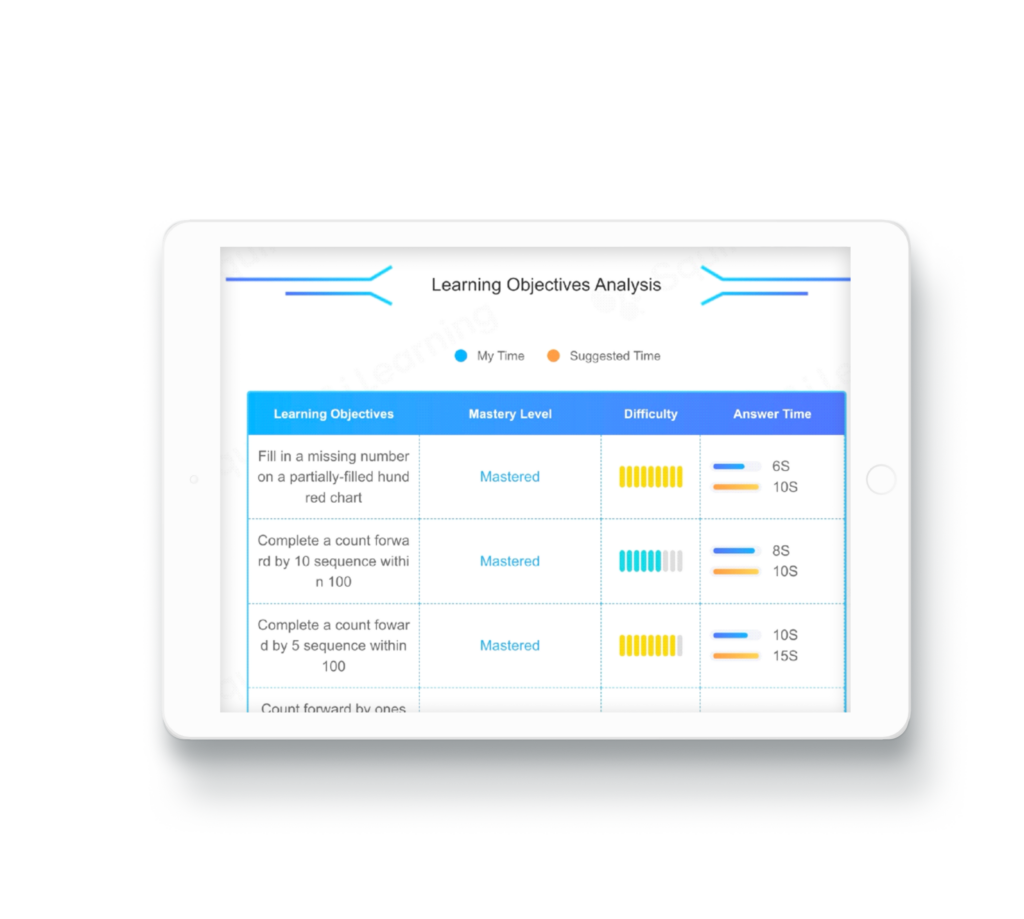
You search “math tutor near me” and get a pile of listings, flyers, and promises. That flood makes it hard to tell which option actually helps your kid, wastes time, or costs too much. Start by treating this like a problem to fix: identify what’s broken (goals, schedule, trust) and then knock out options that don’t solve those problems. If you’re open to tech-driven help alongside local tutors, consider an AI learning platform and compare it with an EdTech platform that offers adaptive support and clear progress tracking.

Define the problem you need solved
Be specific. Do you need help with basic arithmetic, test prep, keeping up with class, or getting ahead? Match the tutoring type to the goal. If the issue is inconsistent homework performance, prioritize regular short sessions and progress reports. If it’s a looming exam, prioritize focused test-prep experience and mock tests. Clear goals make the rest of the shortlist obvious.
Quick shortlist checklist — use it like a filter
Run every candidate through the same quick checks and toss anyone who fails: 1) Availability that fits your schedule. 2) Clear pricing and cancellation terms. 3) A trial lesson or short-term trial. 4) Lesson format that matches the student (one-on-one, small group, online classroom). 5) A plan for measuring progress. If a listing can’t answer those five, drop it.
Test drive before you commit
Book trial sessions. Treat them like interviews. Watch how the tutor explains one sticky concept. Does the student respond? Does the tutor ask about classwork and tests? A good trial shows a simple plan for the next four sessions. If you don’t see that, don’t move forward. A trial also reveals logistical pain: no-shows, clunky platforms, or confusing material — all valid reasons to cross a candidate off the list.
Common mistakes people make
Don’t pick based on price alone. Cheap can be fine, but only if the structure and follow-up are there. Don’t assume flashy ads equal quality. Don’t ignore curriculum alignment — a tutor who ignores your school’s methods can create more confusion than help. Finally, don’t skip asking how progress is tracked; if nobody can show you measurable steps, you’re guessing.
How to compare in-person tutors, local centers, and online platforms
In-person tutors: good for hands-on guidance and immediate feedback, but watch for inconsistent scheduling and travel overhead. Local centers: often structured with set curriculums; convenient if you need routine classes and peer practice. Online platforms: flexible and often data-driven; they may offer adaptive practice and clear dashboards. Free resources like Khan Academy can supplement learning but don’t replace structured tutoring when targeted help is needed. Balance fit, cost, and how progress will be shown.
Red flags that mean “next”
No trial offered, vague promises without measurable steps, refusal to share lesson plans or references, and a lack of adaptability when the student struggles — those are reasons to walk. Also be wary of pressure to prepay long-term packages without a clear refund or trial policy.

Wrap-up: what makes the shortlist worth your time
Shortlist candidates that directly solve your stated problem, offer a clear way to measure progress, and let you test-drive the approach. Practical, steady improvements beat flashy claims. If you want a tool that fits into a sensible shortlist — one that provides adaptive practice and tracks gaps without overpromising — consider how Squirrel Ai can plug into a plan alongside human tutors and classroom work.