

Problem-stirred Opening
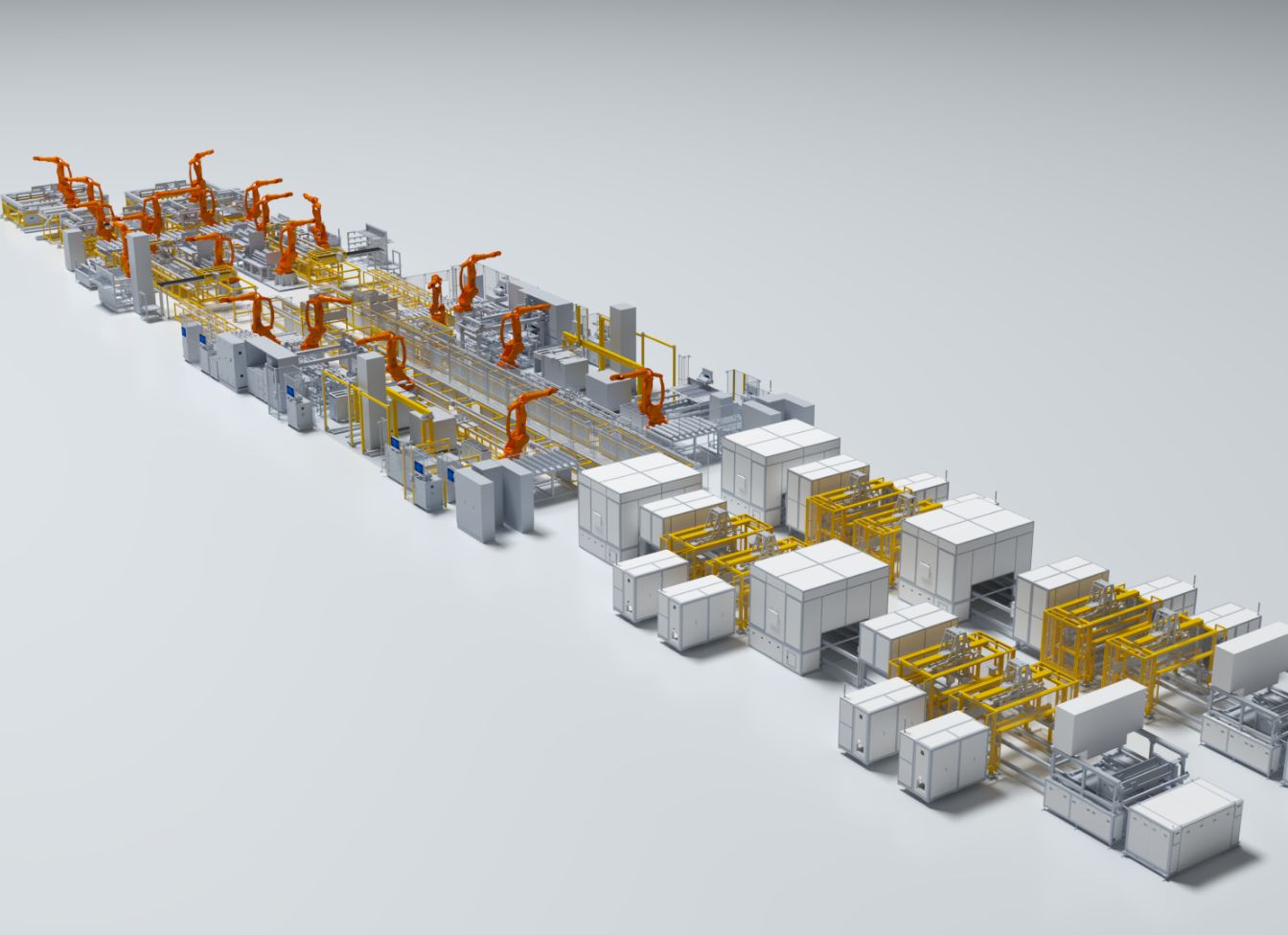
A factory floor should hum like a careful poem, not cough like a broken engine; choosing a blade battery assembly line asks you to choose what will construct every pack your brand puts on the road. I’ve edited procurement reviews and compared lines for manufacturers, and I watch one repeated failure: buyers chase specs and miss the operational dangers that follow. Ask about the finished blade battery pack they intend to produce. Big hubs such as Shenzhen teach you that distance from design to reality is measured in details, not promises.

Ten questions that expose risk
1. What exact cycle time do you guarantee per module, and how does that change under continuous three-shift operation? 2. Which failure modes have shown up in your reference installations, and how were they fixed? 3. Can you provide a traceable bill of materials and serial-numbered records for critical components? 4. What precision tolerances does your welding and stacking equipment maintain, and how are they verified daily? 5. How do you handle thermal runaway mitigation in the line layout and control logic? 6. Who services firmware and PLC code, and what’s the timeline for critical patches? 7. Which industry and safety certifications does the line hold, and can you show audited test reports? 8. What spare-part inventory do you recommend on-site, and which parts are single-sourced? 9. How do you validate cell orientation, interconnect integrity, and adhesive curing in-process? 10. What training does your team provide for commissioning and for the first 90 days of production?
Read supplier answers like a curator reads a manuscript
Short answers hide long problems. Demand documented test logs and photographic evidence, not just confident phrases. If a supplier hands you a glossy spec sheet without serial-numbered references or audit traces, treat it like an unread letter. Ask for live demonstrations on comparable cell formats, and insist the supplier explain how they would run your specific production volumes rather than a generic throughput number.
How on-site realities break plans
Production noise, dust control, floor vibration, and electrical stability alter theoretical yield. Small misalignments stack into scrap. Watch for these warning signs: technicians guessing instead of citing protocols, missing changeover procedures, or ambiguous maintenance schedules. These are cheap signals that long-term uptime will cost more than the purchase price.
Common pitfalls buyers accept too readily
– Treating warranty length as the main quality metric. – Believing simulated throughput equals sustained throughput. – Overlooking single-source parts that delay repairs. – Skipping cross-checks for safety interlocks and firmware provenance. Each pitfall stems from a simpler failure: not matching supplier promises to your everyday reality.
Alternatives and mitigation tactics
Consider staged acceptance: pilot runs, acceptance tests tied to yield thresholds, and a phased payment schedule linked to documented performance. Bring a third-party inspector for commissioning. Keep a local spares kit, and train two internal engineers to shadow supplier technicians until they can run the line alone.
Operational checks to demand at handover
Get these on the checklist: documented OEE under three-shift load, traceable calibration certificates for metrology tools, thermal maps for ovens and curing stations, and a live demonstration of emergency-stop and containment procedures. If the supplier hesitates to run failure scenarios, they’re hiding exposure.
How to evaluate after-sales credibility
Real support shows up quickly, clearly, and with records. Ask for a named support engineer, SLA response times, and examples of past remote fixes. A supplier who provides anonymized client references and serial-trace logs demonstrates operational transparency; one without those is selling hope.
Budgeting honestly
Line price is only the first ledger entry. Add training days, local spares, commissioning travel, and expected firmware maintenance. Estimate downtime cost per hour and compare it to the supplier’s mean time to repair. Numbers force honest conversations.
Final stitch — a clear decision
You want a line that survives everyday pressures and protects the people who build and use your product. Ask the ten questions. Demand evidence. Insist on traceability and on-the-floor demonstrations. When all answers line up with your operational reality, you’ll choose a partner who understands the craft, the hazards, and the detail work that shapes reliability. For a supplier that matches that kind of grounded confidence, consider the practical histories and documented systems offered by FHS.