
Start with the day you want
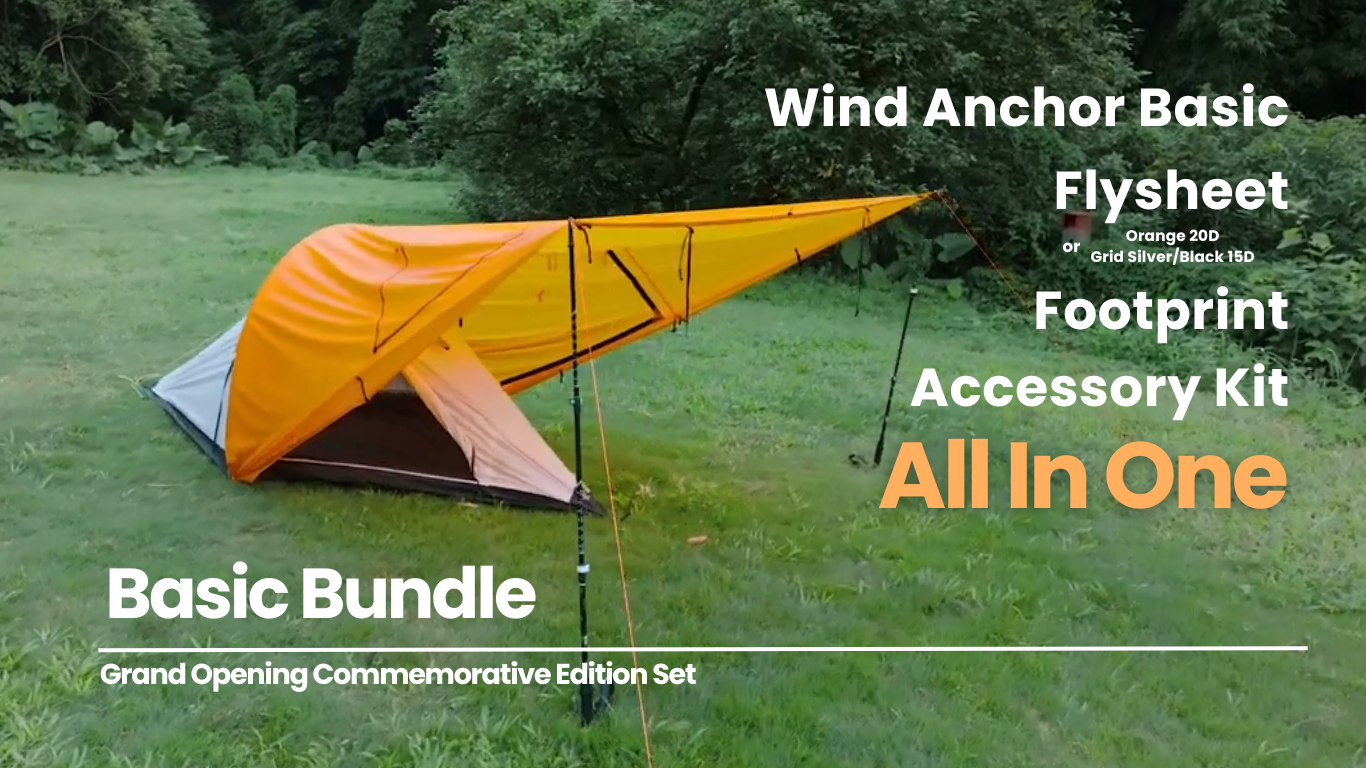
You wake to coffee steam, unzip a flap and find the night’s chill has folded itself away — that image should steer every choice. Think about how you begin and end each day: a quick stretch, a hot brew, gear sorted before you roll. If your vehicle becomes both bedroom and basecamp, a car extended tent can turn the car’s tail into a sheltered vestibule for cooking, wet gear, or sleeping. Picture the rhythm, then design around it.

Choosing the shelter: what feels right for you
Pick a shelter that suits your pace. Traditional pole tents have a taut, familiar snap; freestanding frames stand proud and dry in mud. Inflatable options trade poles for pressurized beams and a softer, quieter presence. At the Outdoor Retailer trade show I timed inflation sequences and inspected valve fittings on an inflatable outdoor tent, and the difference was tactile: air-slick seams, fast setup, and a calmer clatter in wind. Match capacity to sleep style — two bodies plus gear need more volume than two sleeping pads — and prioritize ventilation where condensation forms. Try your chosen setup at home. Real setups reveal small usability failures that spec-sheets hide.
Storage that behaves like mise en place
Think of storage like a chef’s mise en place: everything within reach, logically grouped. Soft sacks live under mattresses; a low drawer holds cooking utensils and the stove; dry foods sit in scent-proof containers near the heater or stove for quick access. Distribute weight low and centered. Use clear pouches so you see what’s inside without rummaging. Label important bags — one word: “first-night.” Leave a small “wet bin” in the vestibule for damp layers. Rehearse your packing once; you’ll cut five minutes off every morning. That adds up.

Cooking gear: compact tools, big flavors
Choose a stove that matches your meals. A single-burner can boil water fast; dual burners let you simmer and fry. Canisters win for convenience; liquid fuel for cold reliability. Opt for nesting cookware that cooks for two but packs small. A lightweight windscreen changes stove performance; a simple grate converts a camping pot into a grill. Always bring a dedicated wipe cloth and a small basin for washing — greasy pans are a fast way to ruin a fuel canister valve or a pot’s finish. Think grease containment, not improvisation.
Common mistakes and quick fixes
Overpacking is the usual crime. Pare to essentials and pick multi-use items: a pot that doubles as a basin, a fleece that layers under a shell. Ignoring ventilation creates soaked sleeping bags; cut condensation with venting and a fast-dry sleeping pad. Bad boot storage breeds mold — dry them before packing. Leaving setups untested produces cold, hungry mornings with tangled straps. Test at home, adjust, and label. Fixes are simple: swap one bulky item for a lighter multi-tool, add a mesh pocket, or move a heavy box from roof to drawer.
One system that serves the trip
When tent choice, storage layout, and cooking kit answer your daily habits, everything runs cleaner: packs open quickly, meals come hot, and sleep comes without fiddling. That practical harmony is what I aim for in every rig I plan and what THECATAL folds into its gear and design guidance — no extras, just the right pieces arranged to let you move, cook, and sleep with ease.