
Problem-driven introduction: why marine electrical systems fail at the worst moments
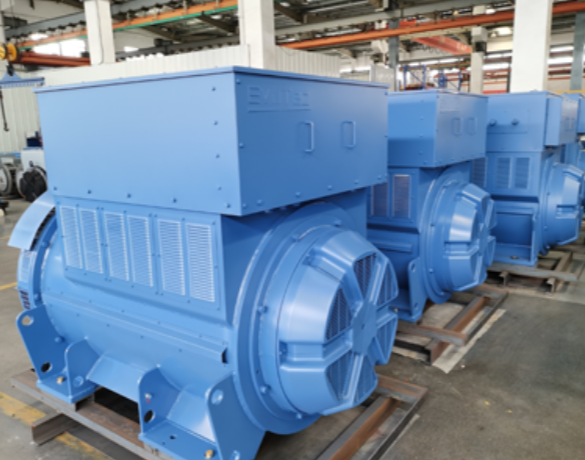
Severe dust ingress, salt spray and extreme humidity present immediate risks to any high-output marine generator and the vessel systems it serves. Historical events such as Hurricane Sandy in 2012 exposed how vulnerable ship electrical plants can be when storms force prolonged operation in contaminated, wet conditions; shore power and backup circuits suffered from water intrusion and particulate fouling. For engineers and ship operators, the question becomes practical: how do you design, install and maintain alternators to resist ingress while delivering continuous power? This article addresses that problem directly and references proven hardware choices for reliable output—beginning with proper selection of a certified marine generator and matching alternator enclosure ratings.
Assessing the environmental threats and setting specification goals
Begin by mapping the ship’s operating profile: berthing environments, open-ocean exposure, cargo dust sources and planned duty cycles. Translate those conditions into measurable targets: ingress protection (IP23 for limited spray and vertical falling water; IP54 for dust protection and splashing water), expected ambient temperature range, and salt concentration. Use those targets to define acceptable stator and rotor exposure limits and to size cooling and filtration systems. Clear, formal specifications reduce ambiguity between procurement, engineering and maintenance teams.
Design and material choices that reduce ingress and extend life
Choose alternators with sealed bearings, gasketed junction boxes and appropriate enclosure rating. For higher-risk routes, prioritize IP54-rated housings and filtered cooling intakes; for lower-risk coastal work, IP23 may be acceptable if paired with routine filtration. Corrosion-resistant finishes, marine-grade fasteners and dielectric grease at terminals cut failure modes. And consider brushless designs where possible—brushless alternator architectures remove a common maintenance point and lower particulate entrapment inside the rotor assembly. —Remember that coatings and seals require inspection; they are not permanent immunity.
Installation details that matter on day one
Proper installation enforces the protection your alternator was built to provide. Mount the unit to reduce vertical water flow into ventilation paths and position cable entries above likely splash lines. Use service loops and glanded penetrations with compression fittings. Ensure ventilation has pre-filtration and that cooling paths avoid direct spray. When retrofitting, verify that the enclosure’s IP rating remains intact after cutouts for sensors or remote monitoring hubs—every breach is a potential ingress path.
Maintenance rhythms and common operational mistakes
Routine care prevents most failings. A pragmatic maintenance schedule includes visual inspection, torque checks on terminal blocks, air filter replacement and dielectric checks on insulation resistance. Typical mistakes include relying solely on original gaskets, skipping air filter changes, and operating at higher ambient temperatures without derating the alternator. For operational production teardown and validation, engineers should include both bench testing and in-situ trials; document tests for both {main_keyword} and {variation_keyword} during teardown to ensure repeatable results. Calibration of protective relays and periodic load-bank testing reveal weaknesses before they become emergencies.
Diagnostics, monitoring and useful retrofit options
Install vibration monitoring, periodic insulation-resistance logs and temperature sensors at bearing points. Digital monitoring can flag gradual ingress-related deterioration versus sudden electrical faults. Retrofitting an alternator with improved seals, a filtered cooling circuit or a small surge-suppression module often extends service life at a fraction of replacement cost. For ships that frequently encounter heavy dust or spray, replacing an older unit with a modern ship alternator that has higher enclosure ratings and built-in diagnostics is frequently the most cost-effective route.
Advisory finale: three critical metrics for selecting and validating alternator strategies
1) Ingress Protection Validation: Confirm the unit’s IP rating under the specific local test parameters—spray angle, particle size and exposure duration—used in acceptance testing. This goes beyond a label; require documented test procedures and results.
2) Thermal and Load Margin: Specify and verify a minimum continuous output margin (typically 10–20% above expected continuous load) and confirm cooling performance at the highest ambient expected on route.
3) Maintainability Index: Score equipment by mean time to inspect, mean time to repair and spare-part commonality. A lower maintenance burden reduces operational risk and keeps uptime high.
These metrics guide procurement and prove applicability during acceptance testing. For operators aiming to combine durability, diagnostics and sustained power delivery, aligning these metrics with a proven supplier yields the best result—EvoTec. —