
Quick take — why this comparison matters
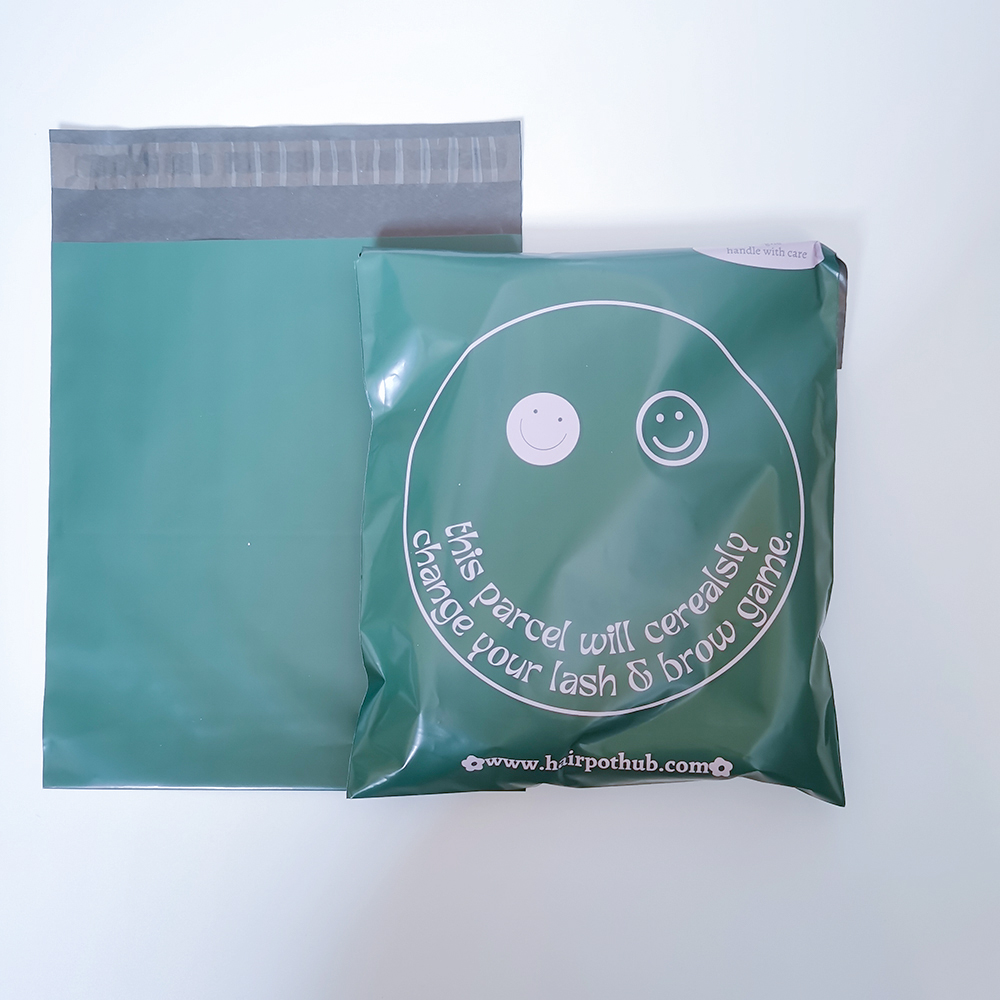
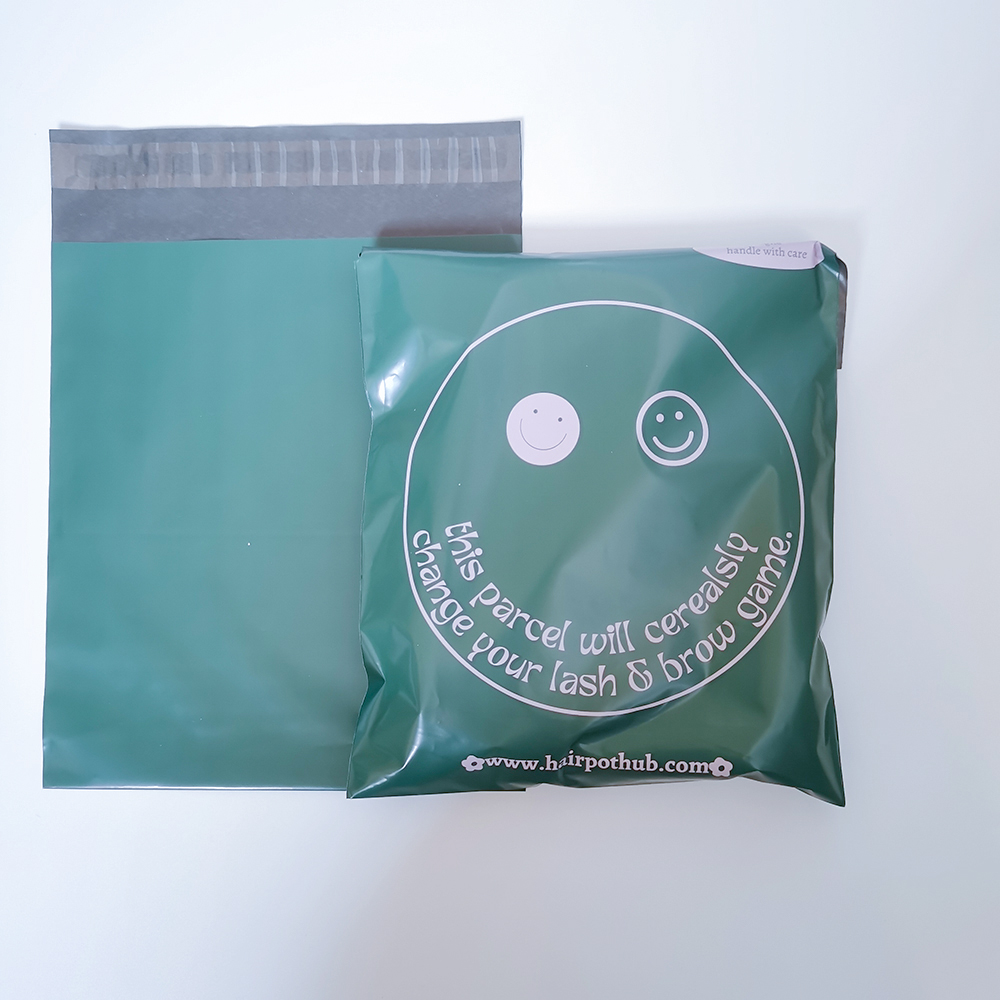
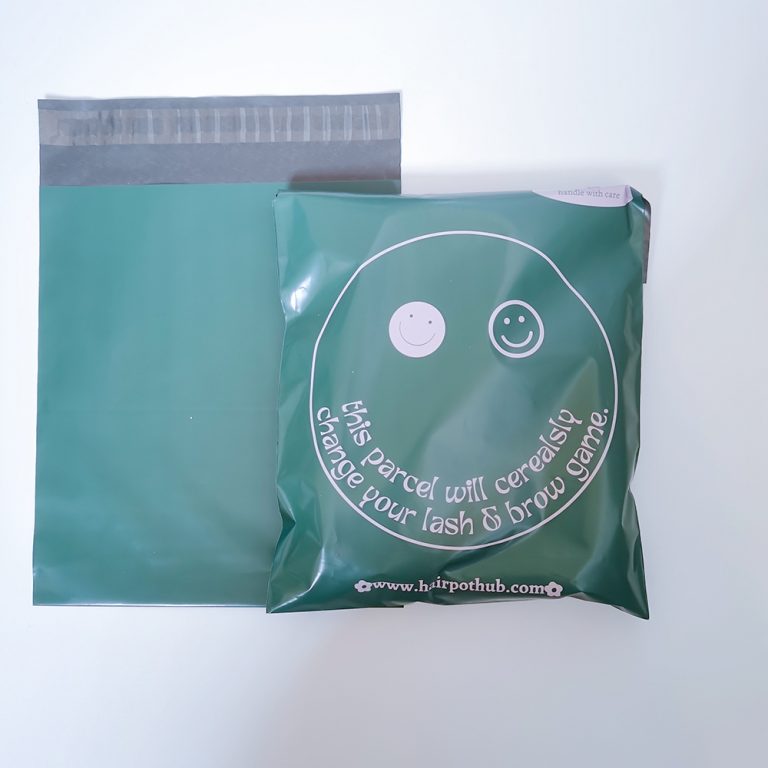
Buying cheaper packaging to hit margins is tempting, but transit damage claims quietly eat profit. I ran a practical ROI lens on unit cost versus claim rates — using industry benchmarks and hands-on sourcing experience post-2020 supply-chain disruptions as a real-world anchor — to show where money actually gets made or lost. If you print branding or tracking on packs, check options for custom printed poly mailers early: printing can change MOQ, lead time, and per-unit math fast.
Core metrics to track (data-first)
Focus on three numbers: landed unit cost, transit damage rate (claims per 1,000 shipments), and average claim payout. Combine them into an annualized ROI view: small increases in damage rate often outweigh modest unit savings. For example, a 15% lower unit cost that doubles damage claims doesn’t help. Use metrics like “claims per 1,000” and average payout to model scenarios before you sign long-term contracts.
What the models usually show
When you build a simple model, a few patterns appear: lower-cost thin film poly mailers cut packaging spend but raise vulnerability to puncture and moisture. Adding a tear strip, stronger seal, or thicker film raises unit cost but often lowers claims. The sweet spot is where reduced claim payouts offset the higher packaging cost — that’s true ROI, not just apparent savings. Use a baseline claim rate from your returns data or estimate conservatively if you lack history.
Trade-offs: eco options, protection, and unit economics
Eco-friendly poly film (recyclable or compostable blends) usually costs more and may have slightly different puncture properties. That’s a trade-off between brand sustainability and protective performance. For many merchants, the best move is hybrid: use thicker recycled film for higher-risk SKUs and lighter eco mailers for low-risk items — it’s about risk-segmentation, not one-size-fits-all. Also factor in adhesive flap quality and moisture barrier specs when comparing suppliers — those matter on rainy shipping days.
Common mistakes sellers make — and quick fixes
1) Picking solely on unit price. Fix: model claim cost into landed cost. 2) Ignoring real-world packaging tests. Fix: run small pilot batches through your exact fulfillment process. 3) Overlooking printed options — branding and tracking on poly mailers can reduce misroutes and fraud, but they change MOQ and lead time. — Don’t skip a short A/B pilot; it costs little and teaches a lot.
Supplier checklist — what to require
Ask vendors for: documented lead-time adherence, sample performance data (puncture, water ingress), printing capabilities, MOQ tiers, and contingency plans for spikes. Also request compatibility specs if you use automated packing lines. If you need branded packs, compare quotes for custom printed poly mailer bags early — printing affects tooling and scheduling.
Alternatives and when to use them
Corrugated mailers or padded bags beat poly on protection but raise weight and freight cost. Use padded mailers for fragile items; use eco poly for clothing and fabric where weight and cost matter. Hybrid fulfillment (mixing two pack types by SKU or destination) often gives the best final margin without harming customer experience.
Advisory: three critical evaluation metrics
1) Effective landed cost = unit price + average claim payout + additional handling/rework per unit. Track this monthly. 2) Claims elasticity: measure how claim rate changes when you upgrade film thickness or sealing — if a small upgrade drops claims significantly, it’s likely worth it. 3) Time-to-fulfill impact: factor lead time and MOQ into launch plans — long waits can cost missed revenue and rushed premium freight.
Use these metrics to compare suppliers side-by-side; they turn vague promises into clear dollars and cents.
WH Packing makes those trade-offs simple to model with clear specs and printing options — practical, no-nonsense support that maps directly to your ROI. —