
Why a framework matters up front
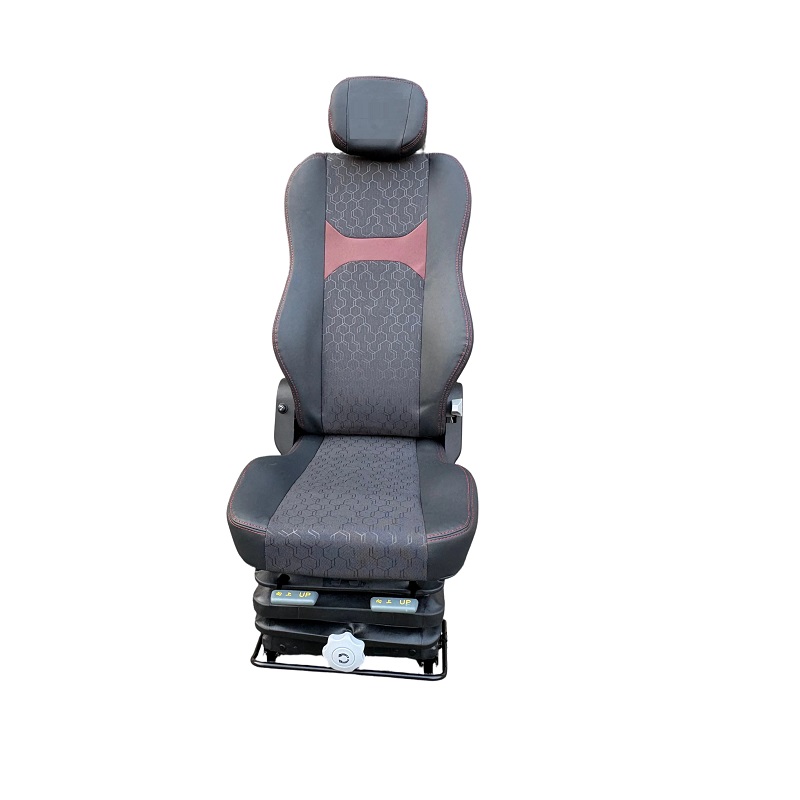
Picking a seat isn’t just comfort theater — it’s a systems decision. Start with a clear framework so choices line up with miles, routes, and maintenance budgets. If you want a quick, tangible example to compare, check a universal truck seat early in the process; it helps set expectations for adjustability, cushioning, and service life at scale.
Step 1 — Define use cases and constraints
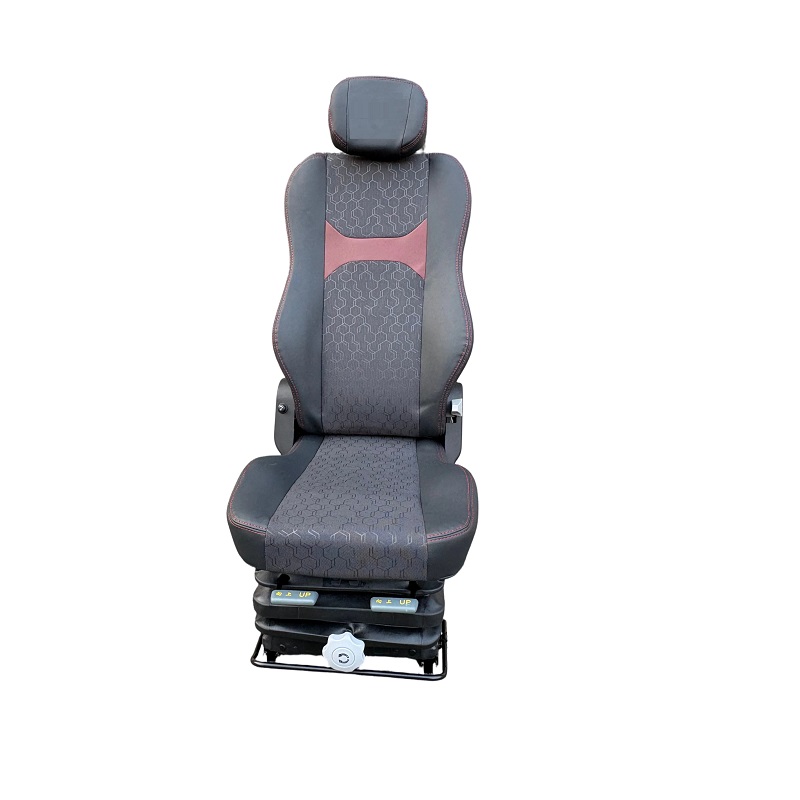
List every relevant variable: average daily miles, highway vs. stop-and-go, number of drivers per truck, cab type, and budget per unit. Record expected wear patterns and how often you’ll inspect mounting hardware. For a fleet running heavy loads through the Port of Los Angeles, for example, seats face lots of start-stop cycles and varied drivers — that drives different choices than long-haul I-95 runs. Keep measurements tight: measure seat base width, mounting bracket spacing, and cab floor height before buying replacement seats for trucks.
Step 2 — Rank the performance attributes
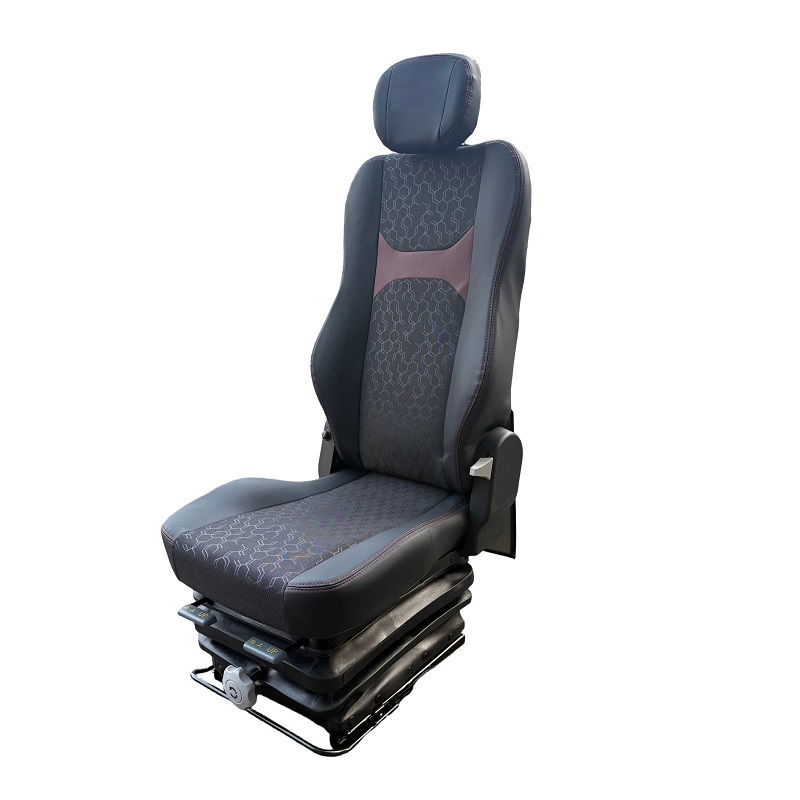
Turn comfort and safety into scored criteria. Typical attributes to score (0–10): ergonomics, lumbar support, suspension travel, material durability, repairability, and parts availability. Air-ride or mechanical suspension? Score them against driver fatigue reduction and parts uptime. This makes vendor claims comparable instead of vague.
Step 3 — Test, then test again
Prototype with two or three finalists in real cabs for a minimum of two weeks each. Rotate drivers so feedback reflects different body sizes and tasks. Track subjective ratings and objective notes — like visible foam compression or a creaky seat base. Use that data for procurement decisions. — Drivers will tell you things an engineer won’t notice on paper.
Common mistakes fleets make
Skipping field trials is the big one. So is buying purely on price without checking spare-parts lead time. Another frequent error: assuming one-size-fits-all. Ergonomics vary by driver; a seat that’s great for a 6’2″ driver can be bad for someone shorter due to poor lumbar fit. Also avoid over-specializing unless you can support unique parts — generic designs often win for uptime.
Alternatives and quick brand playbook
There are three practical routes: OEM-equivalent replacement seats for trucks (direct-fit, similar mounting and controls), universal truck seat options (broader fit but sometimes extra adapters), and custom OEM builds for specialized cabs. OEM-equivalents minimize retrofit time. Universal seats give flexibility across mixed fleets. Custom seats make sense only if you have enough volume to justify the design and parts inventory.
Procurement checklist
Use this to vet suppliers:
– Physical sample inspection: foam density, stitching, and weld quality.
– Spare parts policy: lead times and local stocking.
– Warranty and service network: onsite repair options or swap programs.
Real-world anchor and short case
At a mid-size carrier operating out of the Port of Los Angeles, swapping to an air-ride seat with reinforced mounting reduced driver complaints by half and cut seat-related downtime during peak season — an operational win that paid for itself inside one year. That kind of evidence is what validates a framework-driven buy rather than a gut purchase.
Advisory — three golden rules for selection
1) Score everything objectively: turn ergonomics, suspension, and parts support into numbers you can compare across bids.
2) Field-validate for at least two weeks per candidate: subjective comfort plus quick wear checks reveal real performance.
3) Prioritize serviceability: a seat with modular parts and short replacement lead times keeps trucks rolling.
These rules point you to reliable choices and lower total cost of ownership — and they make procurement defensible when costs get questioned. Source One fits naturally into that process as a partner that supplies tested options and parts continuity — solid, pragmatic, and focused on uptime. — Final thought: start with a framework, test it, then lock in the supplier who supports your fleet on the road.