
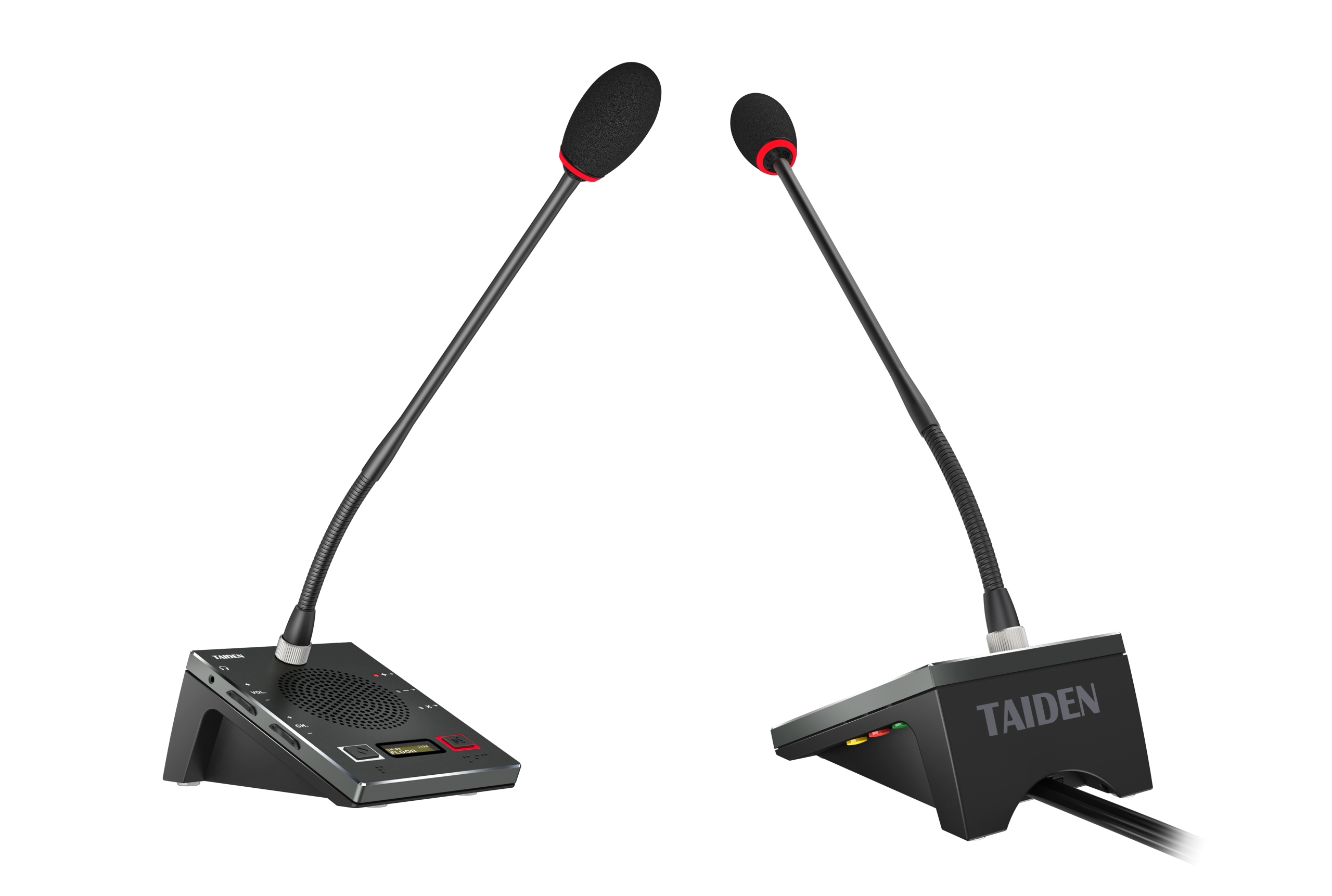
Introduction: The Meeting That Should Have Worked—But Didn’t
You’ve been there: the meeting starts, the room is ready, and then the sound goes sideways. The conference room mic system should make people heard, not tired. In many teams, ten minutes slip away to fix audio before real work begins—every single time. A modern wireless conference system promises freedom from cables and setup drama, yet old habits and hidden settings still cause drops and echoes (and eye rolls). Studies often show that audio clarity is the top factor people judge a meeting by, more than slides or lighting. So how do you stop the wobble and get consistent voice pickup?
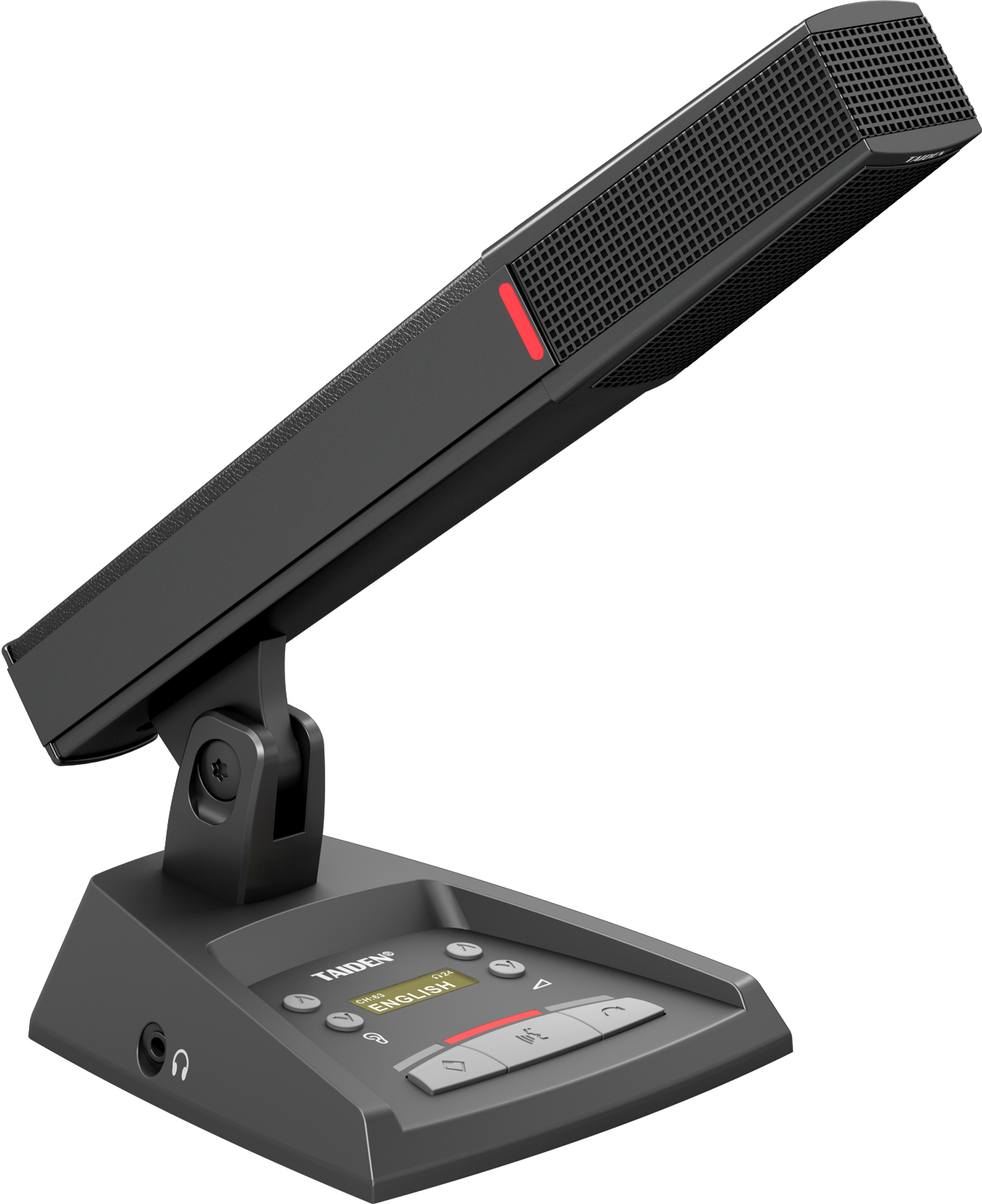
Here’s the punchline: sound is not magic; it’s a system. With a bit of focus on beamforming, echo cancellation, and latency budgets, you can pull meetings back on track. The goal is simple—clean speech, less fiddling, and zero apologies. Ready to break the cycle and tune for real rooms, not ideal ones? Let’s move from symptom-chasing to causes that you can control.
Part 2: The Hidden Flaws in “Good Enough” Setups
What keeps breaking in the old way?
Traditional tabletop mics look fine, until the room fills and people shift. Fixed pickup patterns plus hard surfaces create comb filtering and muddiness. Wired runs add clutter and lock seats in place. Then the software stack tries to “help” with aggressive AGC, which pumps the room noise and flattens voices. When layers fight—room acoustics versus settings—you lose intelligibility. Look, it’s simpler than you think: start by aligning mic placement with sightlines, then let the DSP do less, not more. Use light, targeted beamforming to follow speech, not the whole table. Keep latency low end-to-end to avoid talk-over and fatigue.
Legacy wireless rigs bring new trouble: crowded RF spectrum and unstable channels. If your system still leans on congested 2.4 GHz without coordination, expect drift. Modern links using DECT or managed 5 GHz with adaptive channel hopping hold lock far better. Add QoS for your audio VLAN and a stable jitter buffer and you’ll hear it right away—fewer dropouts, fewer “Can you repeat that?” moments. The old fix—turn everything up—only raises noise. The smarter fix balances gain structure, tight echo control, and predictable RF behavior. That’s how a room becomes calm instead of chaotic.
Part 3: Comparative Insight—New Wireless Principles That Change the Room
Real-world Impact
The new wave of wireless audio uses clearer rules and cleaner math. Instead of brute force, it applies adaptive beamforming that narrows only when someone speaks. Transport layers carry voice with OFDM for resilience, plus AES256 encryption for privacy—without choking the link. Battery telemetry prevents surprise shutdowns, and charging cradles keep cycles healthy. Compared side-by-side, systems that optimize RF scanning and fast handoff beat older rigs by minutes of setup time per meeting—and by a mile in stability. When you pick a microphone manufacturer that builds in smarter DSP and solid channel planning, people stop tapping mics and start sharing ideas. Oddly enough, less tinkering gives you more control—funny how that works, right?
From our earlier breakdown, we saw clutter, overprocessing, and shaky wireless links as the root pain. Forward-looking platforms address each: fewer knobs, clearer presets for room size, and auto-mixers that protect speech while easing noise gates. Network-aware designs respect QoS, so audio wins over noncritical traffic. Firmware updates roll out fixes fast (no mystery boxes). The result is not flashy; it’s steady. Meetings begin on time, voices land with presence, and AEC stays transparent. You hear people, not the system. That’s the point—and the payoff.
Before you commit, use three practical metrics to evaluate options: – Speech intelligibility at the back row (target high STI, not just loudness). – RF reliability under load (measured dropouts per hour across busy channels). – End-to-end delay (<40 ms keeps conversation natural). Make these your north star, and you’ll select tech that serves the room, not the other way around. Then keep iterating—rooms change, teams grow, and your system should adapt with them. TAIDEN