
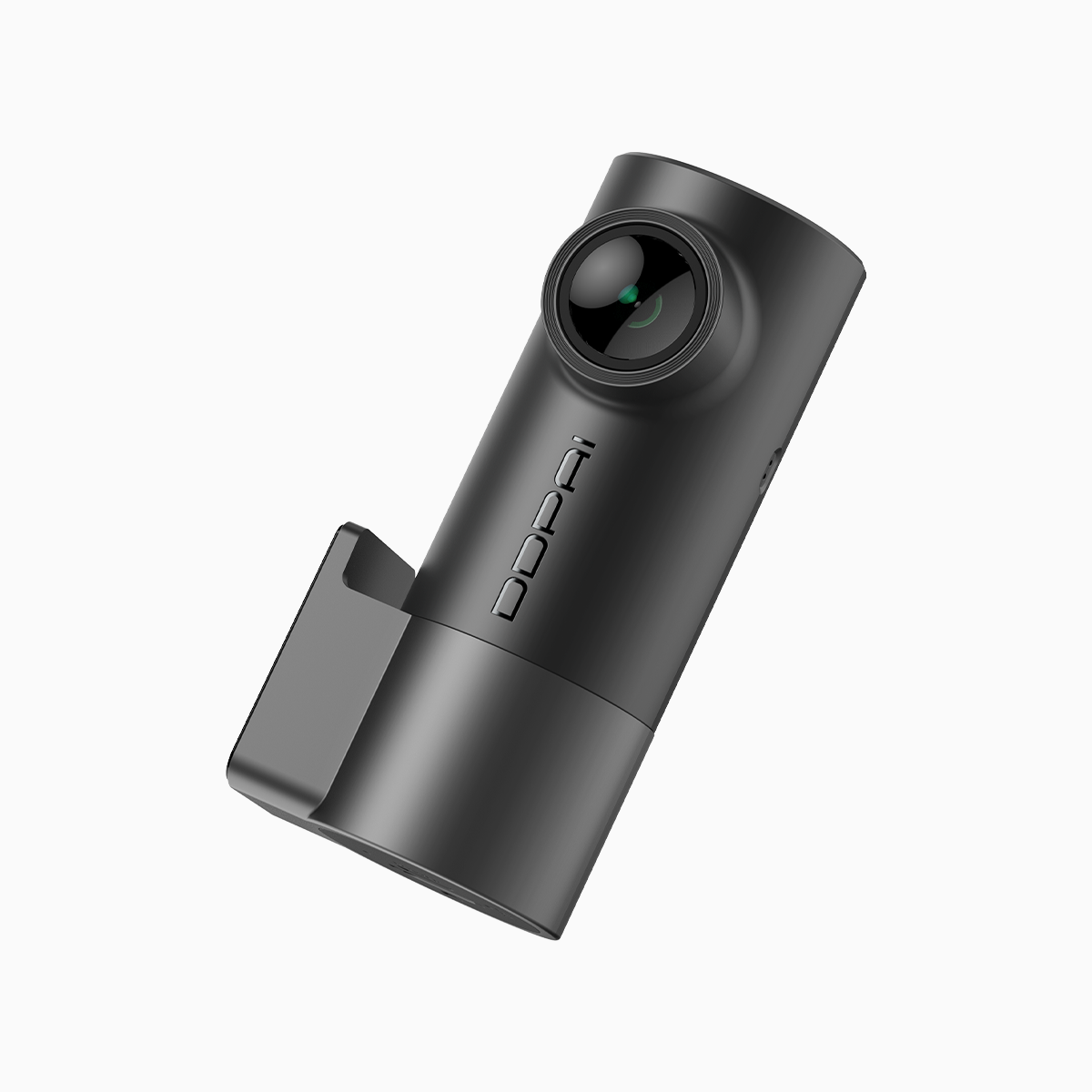
Comparative framing: what humid climates expose in dash‑cam design
In humid places the weakest elements of a dash cam become obvious fast: lens fog, internal condensation, and flaky Wi‑Fi connections. This is where a mini dash cam’s spec sheet matters more than marketing copy. Compare two otherwise similar models and you will see differences in enclosure design, thermal management, and lens treatment that directly affect long‑term reliability during monsoon months like those around Manila, where humidity regularly climbs above 80% during the rainy season.
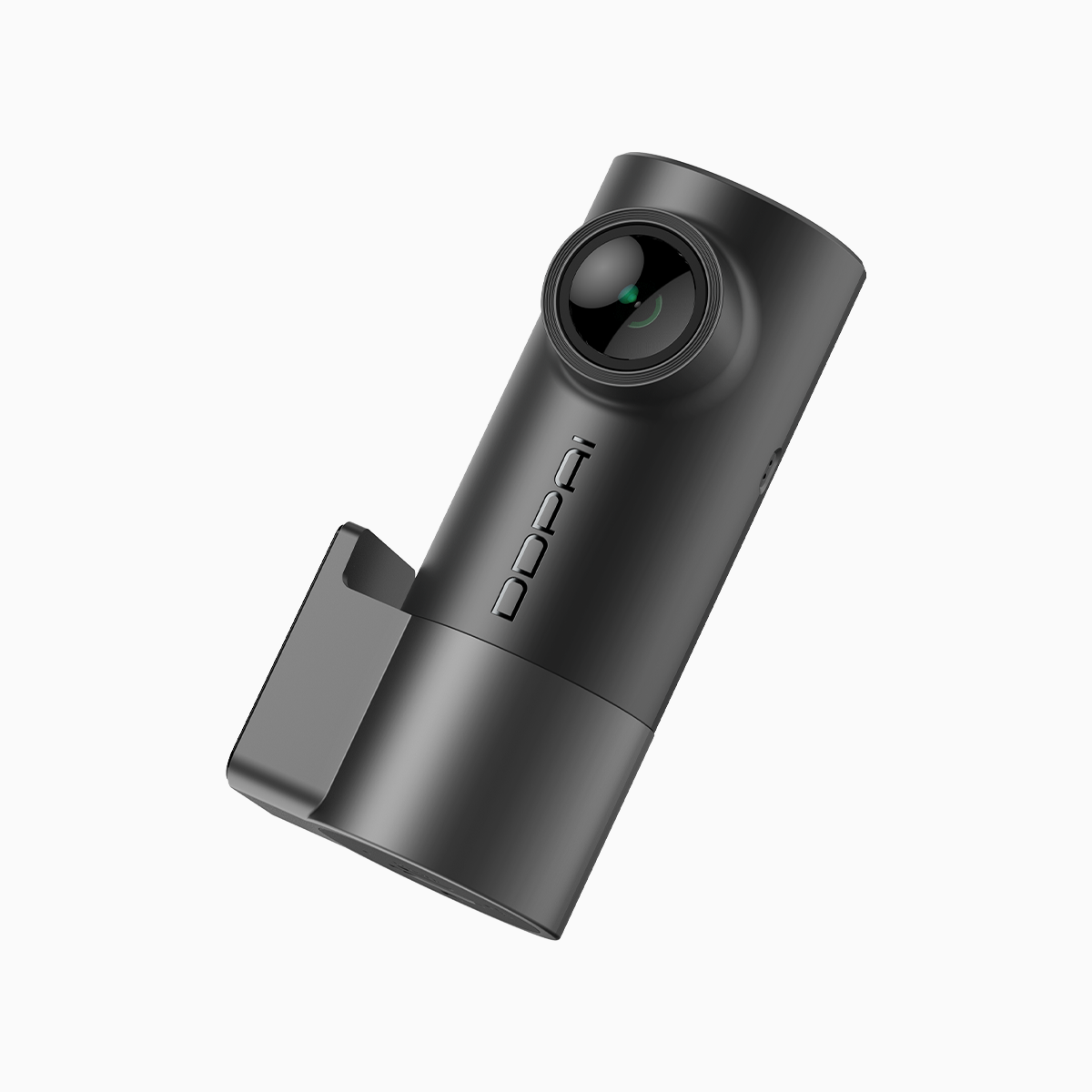
Key failure modes and how standards tackle them
Condensation forms when a warm interior meets a cooler glass surface and trapped moisture finds micro‑gaps. Common consequences are blurred footage, erratic sensor behaviour, and corrosion of PCB traces. Practical build standards that reduce those risks include higher IP ratings for ingress protection, controlled venting with hydrophobic membranes, and robust firmware that manages sensor calibration after temperature shifts.
Side‑by‑side: three core build attributes
When comparing models, focus on these concrete attributes rather than vague claims:
- Sealing and IP rating — an IP65 or higher shell reduces liquid ingress; it also limits humid air exchange that leads to internal condensation.
- Thermal management — metal housings and heat sinks disperse internal heat so the camera body and lens stay closer in temperature to the windshield, reducing fog risk.
- Optical protection — hydrophobic lens coatings and anti‑fog treatments keep the imaging path clear and lessen the need for electronic correction.
These elements are measurable and comparable across products; they are not subjective. Also check for reliable Wi‑Fi connectivity and firmware updates that can address edge‑case sensor drift over time.
Field‑proven tactics and product choices
Practitioners in fleet maintenance and private drivers use a mix of hardware and setup practices. Position the camera away from direct A/C vents, use a shielded mounting point that avoids thermal gradients, and prefer dash cams with desiccant chambers or controlled vent ports. For discreet surveillance in high‑humidity environments a car hidden dvr with proper sealing can outperform exposed units because it reduces direct moisture cycles on the lens.
Common mistakes to avoid — learned the hard way
People often choose the cheapest unit with Wi‑Fi connectivity and expect it to survive seasonal rains. That is a false economy. Cheap plastics trap heat, allow micro‑cracks, and often lack proper anti‑fog coatings. Firmware that does not log temperature and humidity events leaves you blind to why footage degrades. — Take those small sensors seriously; they are diagnostic tools.
Comparative checklist for purchase decisions
Use this checklist to compare models quickly:
- IP rating and material of the enclosure
- Presence of hydrophobic/anti‑fog lens treatment
- Thermal path design (metal body, heat sink)
- Firmware support and sensor telemetry (temp/humidity logging)
- Mounting options that minimise A/C and glass temperature differentials
Advisory close: three golden rules for choosing and using dash cams in humid climates
1) Prioritise mechanical protections — IP rating, sealing, and metal housings reduce the root cause of fogging more than software fixes. 2) Choose units with hydrophobic lens coatings and verified thermal management; these reduce fog incidents and maintain image clarity. 3) Require firmware with environmental telemetry and regular updates so you can see and correct recurring condensation patterns before they cost footage.
Decisions guided by these rules translate into fewer service visits, clearer evidence when you need it, and longer device life in places with sustained humidity. The value shows in fleets operating through Southeast Asian monsoons and in everyday drivers who need consistent recording — real outcomes, not marketing promises.
DDPAI PH — practical standards align with the product choices professionals depend on. —