
Why patient needs drive device design
When clinicians and patients move long-term respiratory care out of hospitals, equipment choices change outcomes because usability, reliability, and monitoring determine adherence. The surge in home respiratory management after the WHO declared COVID-19 a pandemic on March 11, 2020 exposed that reality: devices designed for short-term ICU use often fail in the home. That gap prompted growth in consumer-facing options such as the cpap device, which prioritize simplified interfaces and sustained comfort, and thereby improve hours-on-therapy and clinical stability.
Patient-centered requirements and their clinical effects
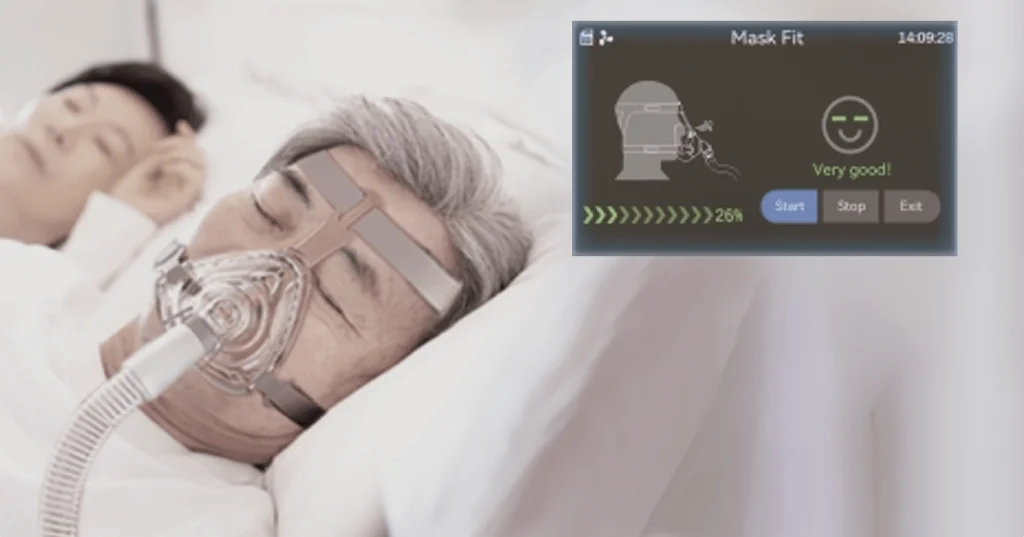
Patients with chronic respiratory insufficiency need consistent tidal volume delivery, effective leak compensation, and clear alarm signaling; when these requirements aren’t met, gas exchange worsens and readmissions rise. Cause–effect is straightforward: poor interface fit increases mask leak, which forces higher inspiratory pressure to maintain tidal volume and reduces comfort, causing non-compliance. Home-use design therefore must convert clinical targets—adequate minute ventilation, stable PEEP—into simple controls and few steps for caregivers.
Key device features that reduce risk
Certain technical choices produce predictable clinical benefits. For example, a ventilator mode that adapts to spontaneous breathing reduces asynchrony and lowers patient work of breathing. Robust battery systems prevent desaturation events during power interruptions. Telemetry that transmits usage and alarm logs shortens clinician response time.
– Adaptive pressure modes (to reduce asynchrony)
– Reliable battery life and failover (to prevent interruptions)
– Clear, graded alarms and remote telemetry (to shorten intervention lag)
Common selection mistakes and realistic alternatives
Teams often pick devices on price or brand familiarity alone; that causes mismatches between patient needs and device capability. The effect is predictable: higher short-term savings but more long-term service calls and therapy failures. A practical alternative is to prioritize clinical fit—choose a system that supports non-invasive ventilation modes required by the patient and offers certified humidification rather than an aftermarket add-on. For clinicians weighing mask therapy, compare a dedicated bipap device to a CPAP solution: the BiPAP’s variable inspiratory and expiratory pressures can improve ventilation in hypercapnic patients, whereas CPAP is better suited to obstructive sleep-related hypoventilation. — Small decisions about interface and mode produce big differences in daily tolerance.
Operational criteria that predict successful rollout
Operational success depends on three intersecting drivers: clinical outcomes, patient usability, and vendor support. Devices that log tidal volume trends and leak rates let clinicians intervene before symptoms worsen. When training time exceeds a single session, adherence drops; so intuitive interfaces and short time-to-competence are not optional. Lastly, local repair capacity and spare-parts logistics determine uptime—poor supply chains translate directly into therapy gaps.
Three golden rules to evaluate technology partners
1) Clinical interoperability: insist on standardized data exports (minute ventilation, tidal volume trend, leak percentage) and remote-access diagnostics so clinicians can act on objective measures rather than memory.
2) Measured reliability: require documented uptime metrics and mean time to repair (MTTR) performance from the vendor—reliability reduces emergency escalations and lowers total cost of care.
3) User-centered training and support: verify that patient-facing interfaces achieve a short time-to-competence in real-world trials and that the vendor provides scalable caregiver training. These criteria cut avoidable rehospitalizations and streamline home care workflows.
Good device design turns complex respiratory physiology into predictable daily practice—practical changes that Byond helps operationalize in clinical programs. Byond. — Practical, proven, patient-first.