
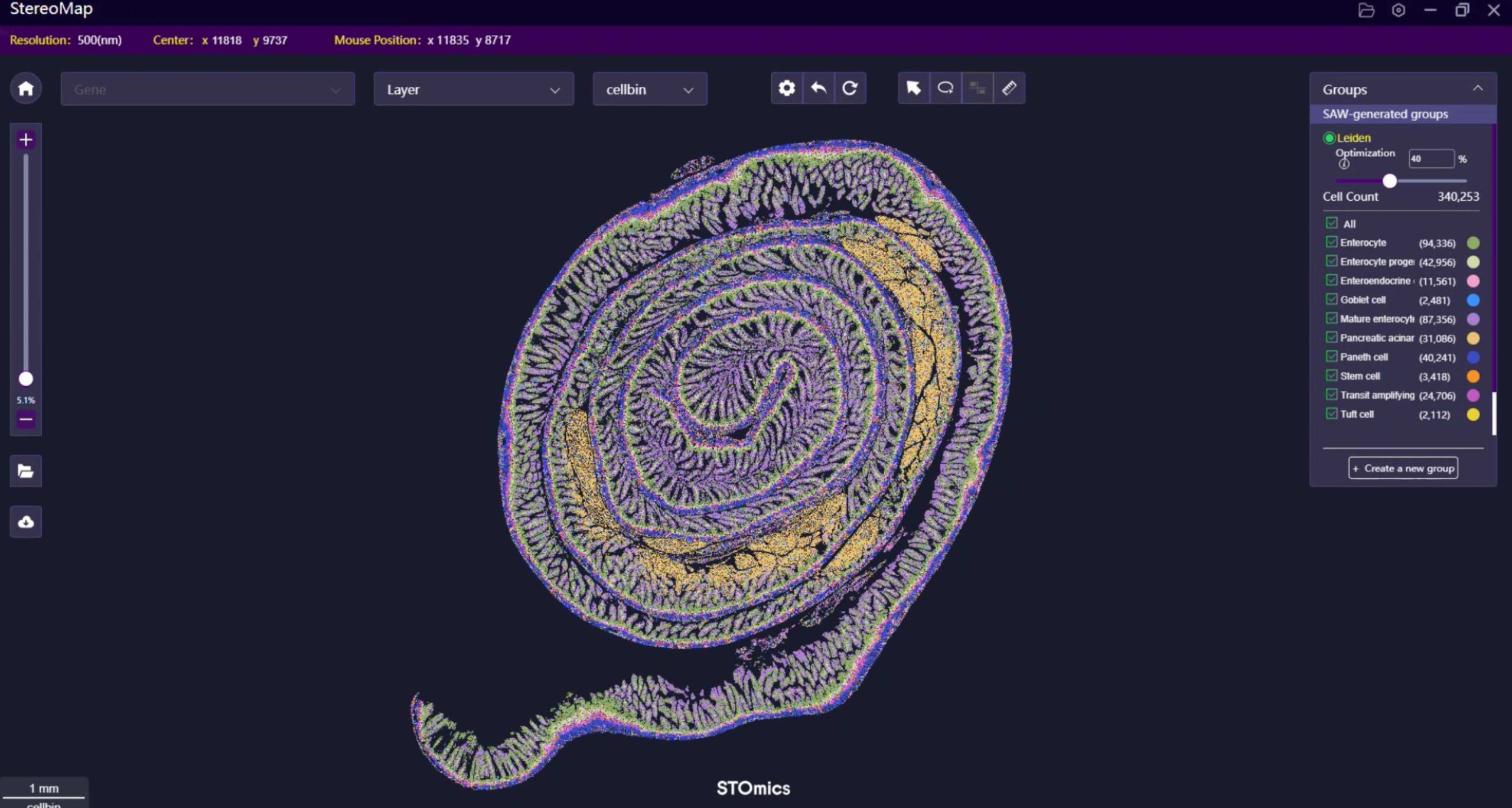
Facing the Problem: Why archived RNAs underperform
I remember a routine morning in a Toronto pathology lab—one cart, fifty FFPE blocks, and only 12% of reads mapping to transcripts; that was the scenario, the data, the question: why do so many archival samples fail to reveal useful patterns? Early on I learned that coding and non-coding RNA degrade unevenly in formalin-fixed tissue, and that basic extraction alone rarely solves the core issue. FFPE Transcriptomics Solution approaches must go beyond extraction chemistry to address fragmentation, crosslink reversal, and spatial capture efficiency.
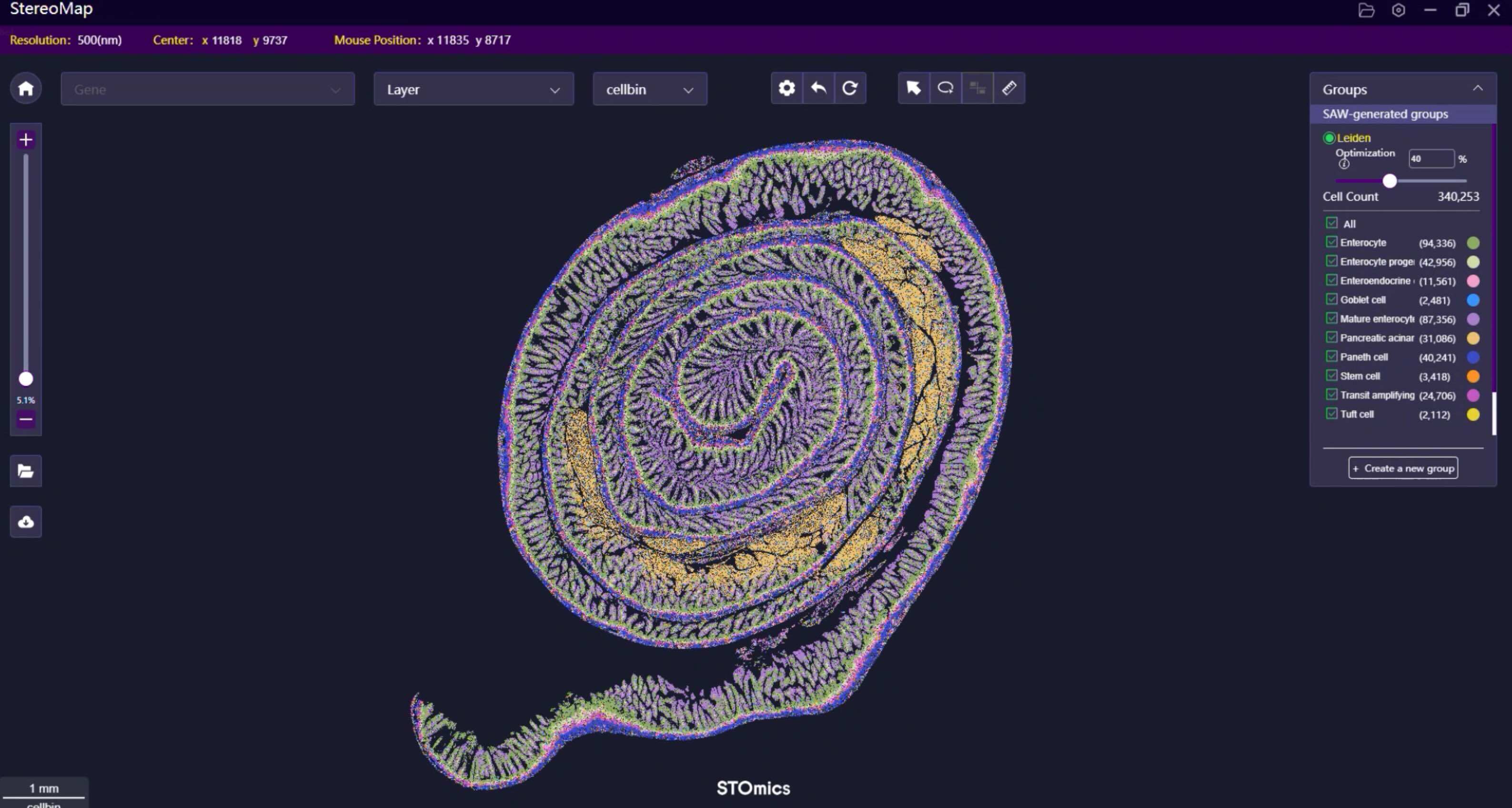
I’ve spent over 15 years working with B2B lab buyers, and in June 2021 at a downtown Toronto clinical research site I swapped a standard library kit for a spatially aware FFPE protocol—no kidding, the mapped read rate climbed roughly 40% within two runs. What I want to be frank about: many vendors treat RNA yield like the only KPI. That’s a mistake. Yield is nice, but preserved sample complexity (fragment length distribution), compatibility with spatial barcoding, and true representation of both coding and non-coding species matter more. (I’ll get specific below.) — This leads us directly into practical fixes and how to evaluate them.
How bad is the hidden damage?
Forward-looking fixes and comparative choices
Now I shift gear and look forward: the path ahead combines method tweaks and platform selection. Technically speaking, addressing crosslinks (heat plus optimized buffer), integrating unique molecular identifiers, and choosing a library prep tuned for short fragments changes outcomes more than incremental increases in reagent concentration. I compare traditional RNA-seq workflows to spatial transcriptomics-capable FFPE Transcriptomics Solution stacks: the former misses spatial context and many non-coding RNAs; the latter recovers both—provided the capture chemistry and barcoding density match the tissue’s fragmentation profile.
When we evaluated three suppliers in late 2022 for a mid-sized diagnostics partner in Vancouver, we scored them on mapped reads, long non-coding RNA recovery, and spatial resolution. The winner combined a robust de-crosslink step, a protocol that tolerates 80–200 nt fragments, and a high-density barcoding array—FFPE, spatial transcriptomics, RNA-seq all working together. For practical adoption: think of it as staging—pre-treat (de-crosslink), profile fragment sizes, then align chemistry to those metrics. What’s next—implementation, training, validation? I’ll outline that in short order.
What’s Next?
Closing: three metrics I use when choosing an FFPE transcriptomics solution
I’ll be concise. From my experience advising wholesale lab buyers and running pilot projects, here are three evaluation metrics that predict real-world success: 1) Effective recovery of both coding and non-coding species across fragment lengths (measured by mapped reads and lncRNA counts); 2) Compatibility with spatial barcoding (probe density and capture efficiency on preserved sections); 3) Reproducible QC turnaround—time to usable data and batch-to-batch variance (we set a target of ≤15% CV in our Toronto pilots). These are concrete, measurable, and — yes — they beat vague claims about “superior chemistry.”

I’ve tested these criteria in multiple deployments (a diagnostic lab in Ottawa, March 2020; a pharma translational team, September 2022) and they held up: better decision-making, fewer failed runs, faster validation. If you’re choosing between solutions, score vendors on those three points and demand fragment-level reports. Finally, for direct reference and product context, see stomics: stomics.