
Setting the Scene and Asking the Right Question
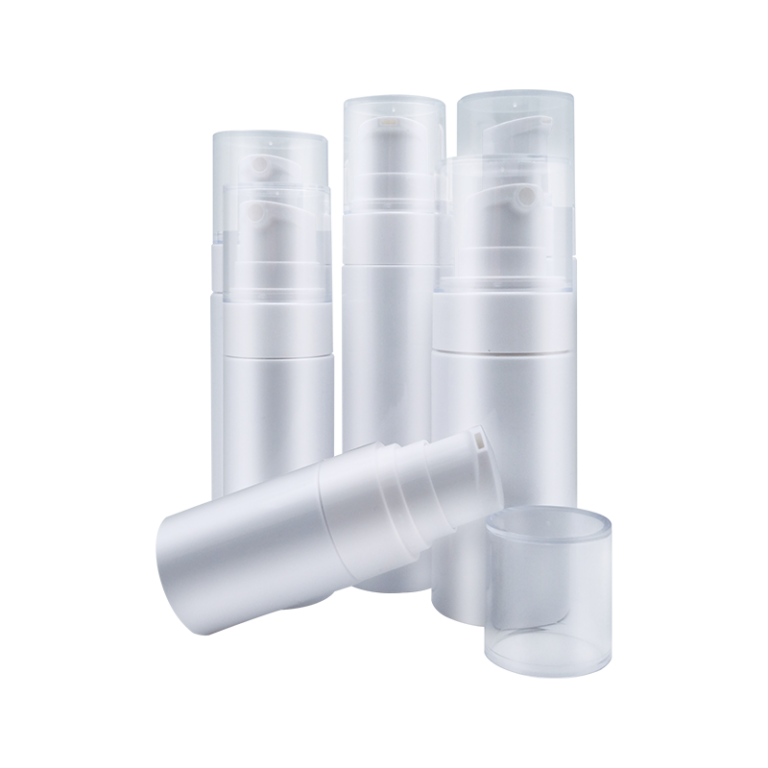
You reach for soap with wet hands, aiming for one neat pump. The pet pump bottle is on the counter, glossy and ready. But you press and get a messy blob that runs down the side—funny how that works, right? In field tests, households report up to 22% overuse from pump packs, and returns often cite leaks or clogging. If the goal is simple, clean dosing, why do so many pet bottles with pump miss the mark? That is a design question and a user-experience gap rolled into one. So, what keeps going wrong, and how do we fix it without adding cost or waste (or extra frustration)?
Where does waste start?
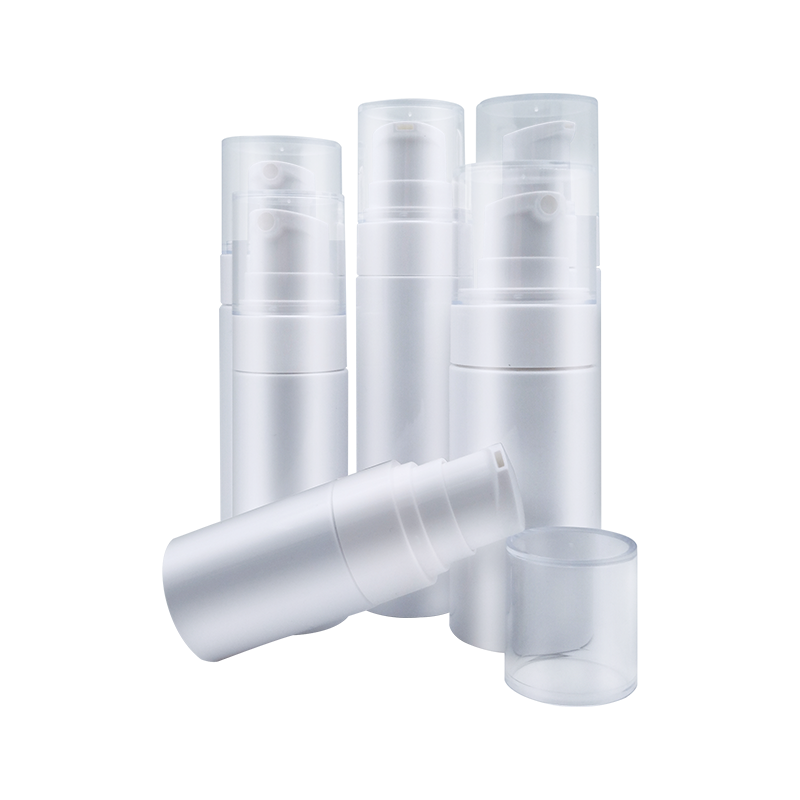
Let’s be technical for a moment. Most pain points trace back to three things: dose output mismatch, actuator force that changes with viscosity, and poor seal integrity at the neck finish. When the spring rate is too high or the dip tube is cut wrong, the pump burps air and over-doses. A weak check valve lets product backflow and drip. A mis-set closure torque leads to micro-leaks during transport. Traditional fixes—thicker product, wider nozzle, or “just press lighter”—don’t scale. They ignore real use. Kids press hard. Cold bathrooms thicken gels. Travel jostles headspace. Look, it’s simpler than you think: flow control starts with geometry and materials, not with user discipline. The right metering chamber, consistent valve seating, and ISBM-stable necks reduce variance and make every press predictable. Shall we compare old habits with better engineering next?
Comparative Insight: From Old-School Pumps to Smart, Stable Dosing
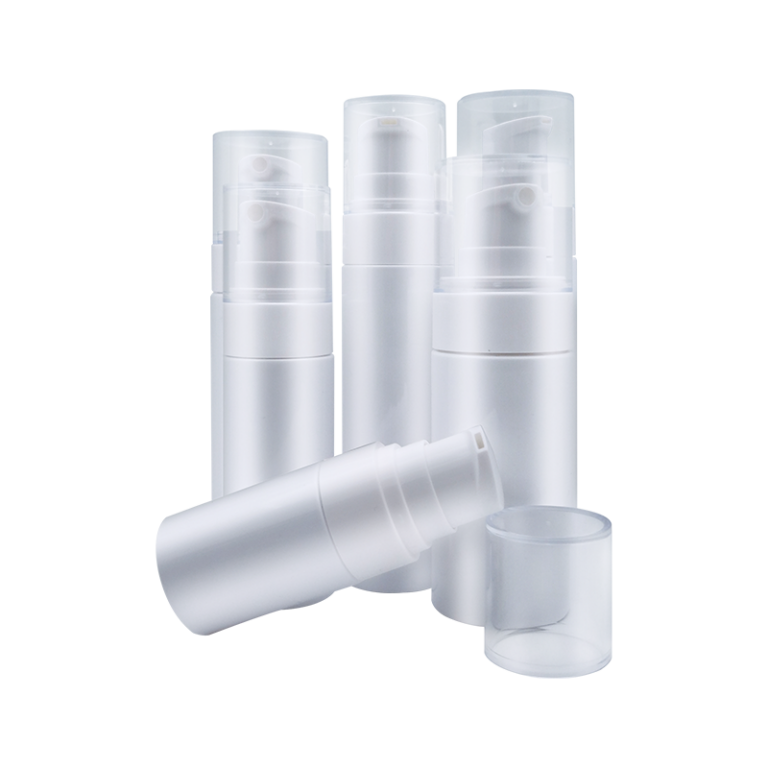
Old pumps rely on brute-force springs and wide channels. They work—until they don’t. New metered systems steer flow with narrower laminar paths, low-cavitation chambers, and non-drip orifices. Here’s the principle: constrain fluid paths, stabilise backpressure, and you get repeatable dose output without fuss. That reduces actuation force and splash. Add a silicone gasket that seals under low torque, and you stop micro-leaks even when bottles flex. Compared with legacy designs, these updates shrink variance across viscosities and temperature swings. The bonus is recyclability: mono-material PP pumps and PET bodies simplify end-of-life sorting. When you evaluate a china pet pump bottle, check for metered chambers, precision valve seats, and an orifice sized for real-world gels—because design beats guesswork. And when line speed spikes or caps tighten a hair too much—your seal should still hold, not weep.
What’s Next
We’re moving toward lighter strokes with smarter actuators, springless mechanisms, and airless tech for oxygen-sensitive formulas. Case results are clear: a personal-care brand cut overdosing by 18% after shifting to a 0.8 mL metered pump with an anti-backflow valve; transit leaks fell when closure torque was dialled to spec on a 28/410 neck finish. That’s not magic. It’s valve geometry, chamber volume, and gasket resilience doing the heavy lifting. Future-ready designs will use CFD to model flow, reduce cavitation, and tune orifice shapes for low-shear dispensing. The upshot: fewer wipes, fewer clogs, and happier users. To wrap, remember the core insight from above—small changes in channel design and seal quality deliver big gains at the sink. For choosing a better path, focus on three metrics: repeatable dose output across viscosities, leak rate after vibration and thermal cycling, and actuator force stability over shelf life. Keep those front and centre, and selection gets easier—reliability tends to follow. Learn more at NAVI Packaging.