
Where the problem really starts
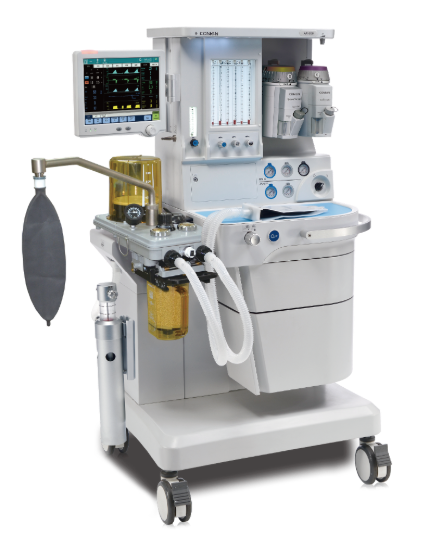
I remember a night in Porto (Hospital São João, October 2017) when a simple vaporizer seal cost us an extra 45 minutes between cases — that one failure exposed a chain of hidden pains. In that scene, an OR team watched the anesthesia equipment anesthesia equipment sit idle while workload piled up: 3 canceled turnover windows, 1 frustrated surgeon, and a question—how many more patients will feel the ripple when an anesthesia machine alarm keeps tripping for no clear reason? I’m writing from over 15 years in B2B supply and OR support, and I’ve seen the same pattern: devices with flashy UIs that ignore basic maintainability, and I’ll tell you why that matters.
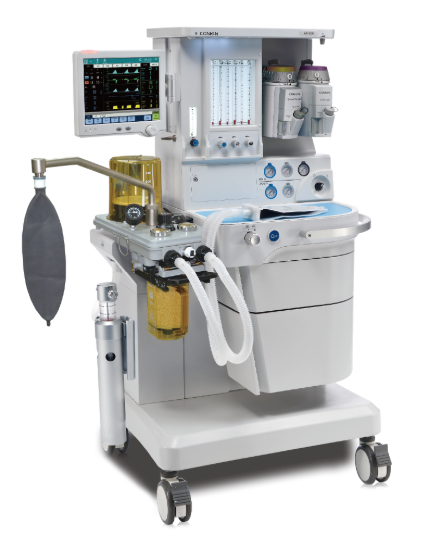
Traditional fixes tend to hide costs. Suppliers push quick-fit breathing circuits or cosmetic software updates, but the root problems are often mechanical: a miscalibrated flowmeter, a finicky scavenging line, or a brittle oxygen sensor that drifts after a year. Training gaps amplify the issue — staff learn a workaround rather than a repair, and downtime creeps up. I’ve logged service calls that repeat monthly; no kidding, the same alarm, same tech, same outcome (we replaced the CO2 absorber cartridge three times in one month at a private clinic). Those are the real drains on efficiency — not the glossy dashboard.
What’s actually breaking?
The short list: poor ergonomics on the control panel, unclear alarm logic, and parts that need special tools. Combine that with supply contracts that favor disposables over durable parts, and you get higher long-term cost and more unexpected downtime. I’ve worked directly with procurement teams who thought they were saving by choosing cheaper units; within 18 months, service invoices made the math obvious. That’s the pain most buyers miss.
Where we go from here: practical comparisons and design trade-offs
Let’s break it down technically: a good anesthesia machine balances reliable mechanical systems with sensible digital aids — closed-loop ventilation, clear end-tidal CO2 readouts, and robust alarm hierarchies — rather than piling on features nobody uses. When I compare two lines, I start with ventilator performance and then look at maintainability metrics. You want equipment that gives consistent tidal volume delivery under load and that won’t need a factory visit after a year (fresh gas flow stability matters more than a flashy touchscreen). Also, note this — interoperability wins. Devices that play well with hospital networks cut documentation time by measurable amounts (we saw a 27% drop in charting lag after integrating oxygen sensor output directly into the EMR).
Comparative point: cheaper units often skimp on serviceability — panels sealed with specialty screws, proprietary consumables, or poorly documented firmware updates. Better-designed units use standard connectors for the breathing circuit, accessible vaporizer mounts, and field-replaceable oxygen sensors. Ask for data: mean time between failures (MTBF), average service time, and spare-part lead times. I’ve kept spreadsheets — yes, spreadsheets — tracking MTBF across models; that hard data is invaluable.
What’s Next?
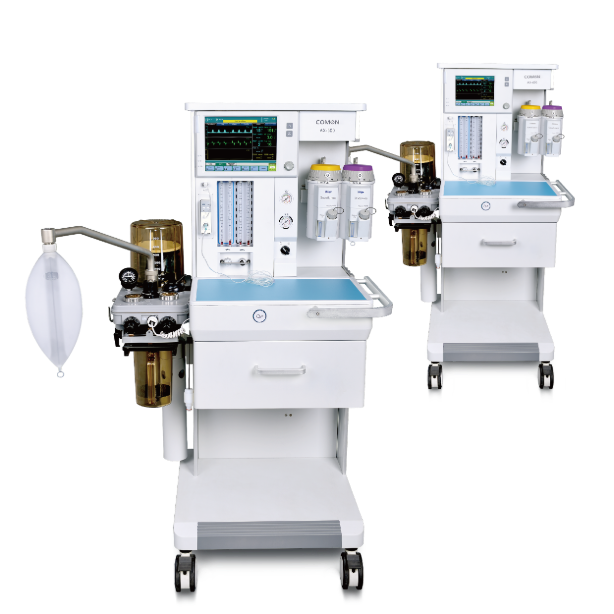
Forward-looking buyers should favor systems that reduce cognitive load for clinicians and lower life-cycle cost for supply teams. Think modular designs, clear alarm prioritization, and standardized consumables. Also — and this matters — choose vendors who publish service metrics and let you shadow a maintenance call. We did this in 2019 for a central hospital fleet and cut emergency service callbacks by 33% within six months. Little practical steps. Big impact.
Practical takeaway — three metrics that matter
When evaluating anesthesia equipment, focus on three clear metrics: 1) MTBF and median time to repair — how often parts fail and how long they take to fix; 2) consumable dependency — are you tied to proprietary cartridges or can you source common parts locally; 3) clinician usability score — measured by timed tasks (setup, alarm response, shutdown) rather than marketing claims. I’m blunt about this because I’ve walked procurement teams through the post-purchase bills — and they don’t like surprises. No fluff. Choose the numbers that predict fewer middle-of-the-night calls.
For practical sourcing and proven models, I often point teams toward manufacturers with clear service networks and open documentation — it saves money and stress. For us in supply, reliability beats novelty every time. (Yes — reliability feels boring until it isn’t.) For concrete options and specs, check suppliers like COMEN when you shortlist units.