
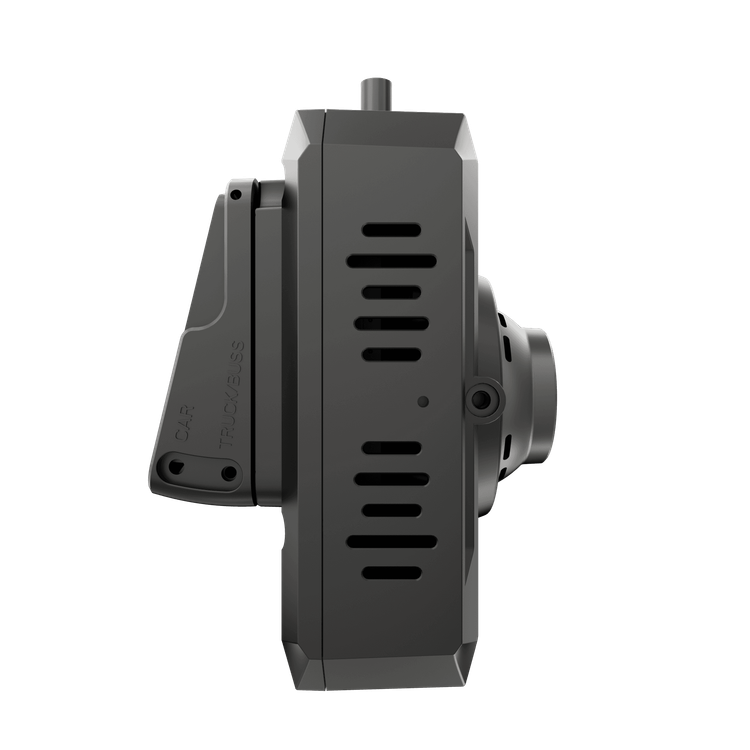
Opening: the problem at hand and why it matters
Fleet operators face repeated blind spots, fragmented incident records and disputes about responsibility; those are practical problems demanding practical fixes. A 3-channel dashcam, when paired with robust telematics, reduces ambiguity by capturing front, cabin and rear perspectives simultaneously, and it integrates with fleet telematics technology providers to supply location, speed and event metadata. For the hardware and central recording layer, select an established mdvr manufacturer whose devices support synchronized multi-channel recording and remote access — that alignment is key to getting usable evidence rather than disjointed video files.
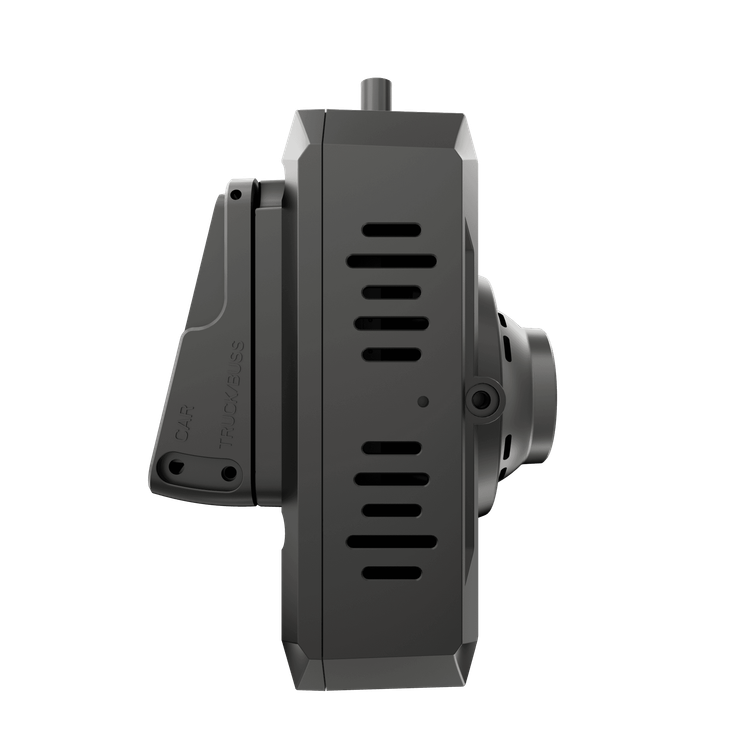
The concrete problems that fleets encounter
Three common, recurring failures undermine monitoring programmes:- Missing context: a single camera leaves crucial angles unseen, so liability often remains unclear.- Poor synchronization: separate video files with mismatched timestamps prevent coherent reconstruction.- Operational friction: high-bandwidth streaming, frequent firmware faults and hard-to-search archives make footage unusable when it’s needed most.
How a 3-channel system directly addresses each failure
Match problems to capabilities and the logic becomes simple.- Multiple perspectives: front, inward-facing (driver) and rear cameras capture the who, what and where in one record.- Time and GPS alignment: an MDVR ties all three feeds to a single clock and GPS feed, creating a single, searchable incident record.- Event-driven capture: accelerometer or CAN-bus triggers ensure pre- and post-event buffers are retained automatically, avoiding the “I thought it recorded” problem.- Bandwidth and storage strategy: on-device encoding (H.264/H.265) reduces stream load; periodic offload via cellular or Wi‑Fi archives footage for review without clogging operational systems.These are not theoretical gains. They translate into clearer incident reconstruction, faster claims resolution and fewer hours wasted combing through unrelated clips.
Practical installation and integration rules — avoid these common mistakes
Installations that fail usually follow the same patterns. Avoid them.- Poor mounting locations: place the cabin camera to capture the driver’s hands and forward view without occluding airbag or controls.- Neglecting power design: use ignition-switched and constant-power feeds properly; otherwise firmware updates and parking-mode recording fail.- Ignoring cable routing: unsecured runs lead to wear and intermittent faults.- Overlooking privacy policies: set retention periods and masking for passenger privacy where regulation requires.- Skipping firmware and lifecycle planning: a camera is only as good as its updates and service plan.Addressing those points during procurement and commissioning reduces downtime and litigation risk.
When a 3-channel system is insufficient (and what to choose instead)
Don’t assume one size fits all.- For dense urban operations with complex side-impact risks, add side cameras or choose an 8-channel MDVR.- For perishable goods requiring internal temperature and full-cargo visibility, pair cameras with dedicated cargo sensors and stream overlays.- For very large fleets that require centralised AI analytics at scale, select MDVRs with edge-compute capability or ensure the solution supports high-throughput telemetry pipelines.If you need fewer data points and lower cost, a single high-resolution front camera plus telematics may suffice; if you need full situational awareness, scale up. Balance cost against the specific failure modes you must eliminate.
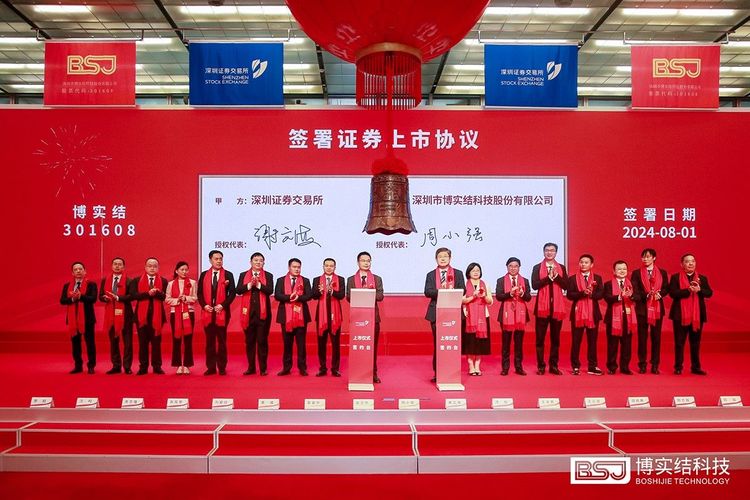
Evidence and industry touchstone
Manufacturers and fleet engineers validate these design choices at major industry gatherings; for instance, the Transport Logistic trade fair in Munich has repeatedly showcased multi-channel MDVR solutions and the operational workflows they enable. That kind of professional forum confirms which integrations and standards are stable, and which remain experimental, helping procurement teams avoid immature technologies when selecting systems for live fleets.
Final synthesis: clear value through disciplined design and the right partner
A 3-channel dashcam solves the principal problems of unclear incident context, unsynchronised records and operational friction when it’s specified and installed with disciplined attention to power, mounting, data flow and legal constraints. Choose hardware that supports synchronized recording, efficient encoding, and remote retrieval, pair it with a competent mdvr integration partner to manage lifecycle updates, and you end up with reliable, actionable footage rather than a pile of unindexed clips; that practical outcome is precisely what BSJ delivers through integrated solutions and field-proven deployment experience.