
Problem first: why commercial sites still lose out
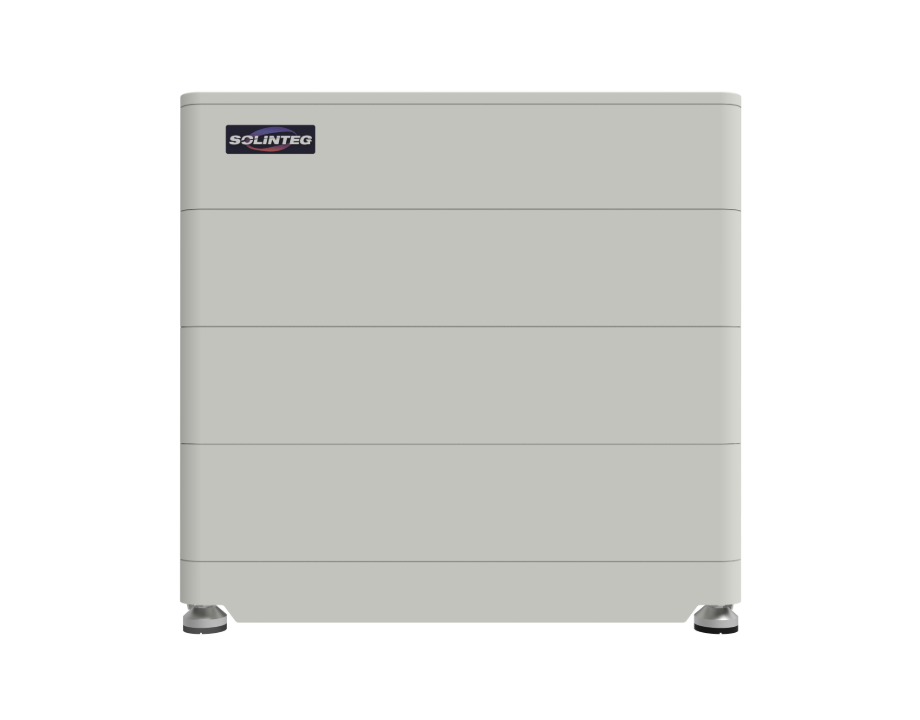
Most businesses plan solar arrays to cut bills, not to weather grid outages. Yet when utilities trip protection for safety—like California’s Public Safety Power Shutoffs—sites go dark despite big rooftop arrays. That’s the gap: generation without reliable energy continuity. A well-specified solar battery backup closes it, giving kWh of stored firm capacity to ride through events and to support everyday grid services.

Diagnosing the operational pain
Missed production, lost refrigeration, interrupted manufacturing lines—these are not abstract. Commercial operations need predictable uptime and steady dispatch. Two technical things decide performance: inverter capability (can the system island and support loads?) and cycle life of the battery chemistry. If either is weak, resilience is cosmetic. Choose systems that support grid-forming operation and peak shaving to protect business continuity and lower demand charges.
Design choices that actually matter
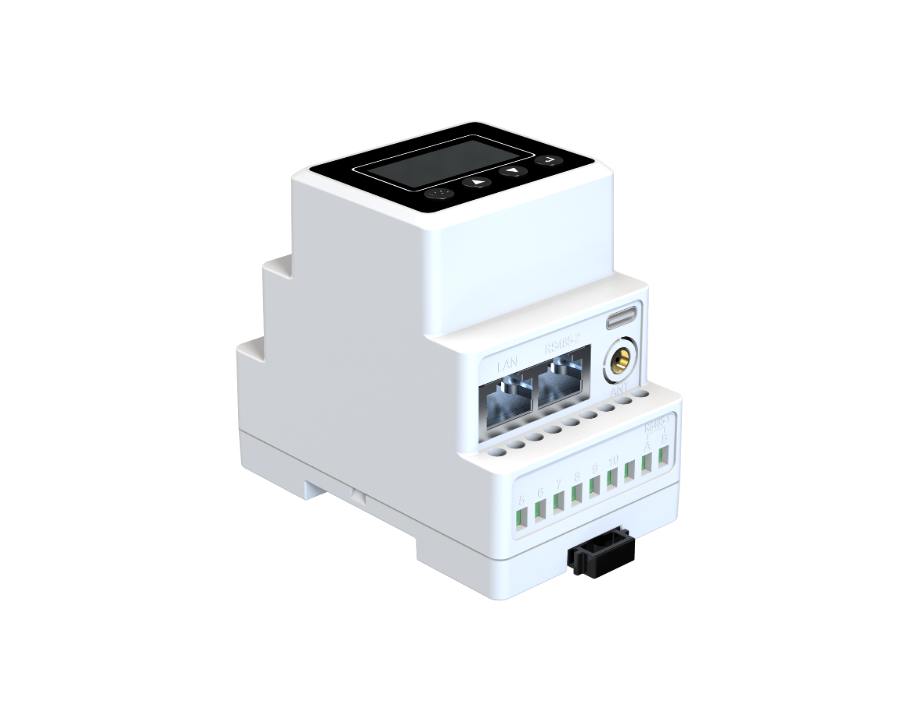
Capacity alone is not enough. Depth of discharge (DoD) and usable kWh determine how long equipment runs, while round-trip efficiency affects how much stored energy returns to the load. Balance these alongside system design: string vs. hybrid inverters, modular battery racks, and whether the system supports firmware updates. Real deployments favor modular, serviceable racks—easier maintenance and faster returns to service when a module needs replacement.
Cost realities and financing—where value lives
Battery pricing dropped sharply over the last decade—industry data shows pack prices fell roughly 85% between 2010 and 2020—so initial sticker shock is fading. Still, you must model lifetime delivered energy, not just upfront price. Compare on a per-kWh usable basis and review warranties around cycle life and capacity retention. For clarity on vendor price tiers and warranty framing, see typical solar battery storage cost outlines that match commercial scales. Financing and performance contracts often tip projects from marginal to clearly beneficial, so check available incentives and demand-charge savings projections.
Common mistakes installers and asset owners make
Owners often under-size the inverter relative to peak loads, or overestimate usable storage by ignoring DoD and efficiency. Another common slip: not planning for thermal management in rooftop enclosures—heat shortens cycle life fast. Also, warranties can look generous but hide end-of-life thresholds. Read the fine print on capacity retention and replacement terms—those clauses decide real cost over ten years. —Take time to align warranty periods with your asset life plan; it saves trouble later.
Putting it together: deployment checklist
Successful commercial battery projects share a few patterns. First, baseline the critical load profile in kW and required hours. Second, pick an inverter and battery chemistry that support islanding and grid-forming capability. Third, model upfront cost vs. lifetime delivered kWh and expected demand charge reduction. Fourth, plan site access for service and future expansions—modularity matters.
Advisory: three golden rules for selecting commercial battery storage
1) Measure delivered value, not nominal capacity — prioritize usable kWh, round-trip efficiency, and realistic cycle life projections. 2) Insist on grid-forming inverters and clear islanding specs — ensure the system runs critical loads autonomously. 3) Match warranty language to operational risk — require explicit capacity-retention schedules and service response terms.
These steps make the math simple and the outcomes predictable. For operators who want a resilient site that also saves money over years, a carefully selected commercial battery system is the right tool—and for many projects, SOLINTEG is the practical partner that ties design, cost clarity, and service into one package. —SOLINTEG