
Introduction — what matters to your shop
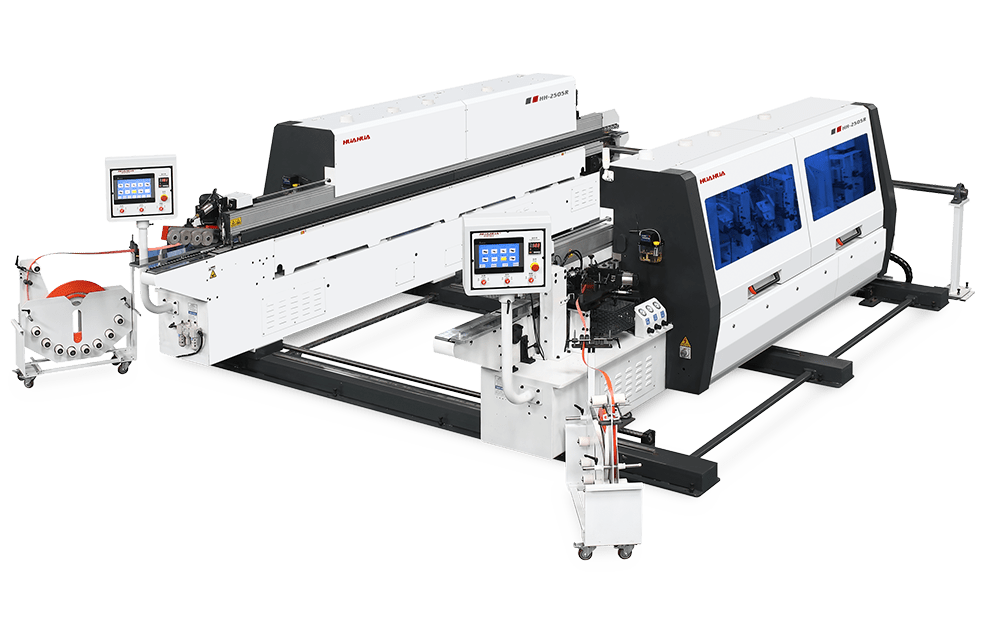
You want dependable cutting that fits your daily production, reduces rework, and keeps downtime short; that is the focus here. For many workshops a matching finishing line matters, too — for example, an automatic edge banding machine placed after the saw helps deliver completed panels straight off the line. This piece is written to help you choose and use a local wood panel saw with practical, user-centered guidance.

Benefit 1 — faster, predictable service and less lost time
A local supplier provides technicians who can be on-site quickly. That reduces lost production hours when a blade carriage needs adjustment or a pneumatic valve fails. You will resume cuts sooner and meet customer deadlines more reliably when support response is measured in hours, not days.

Benefit 2 — lower total operating cost for your scale
Imported machines may seem cheaper at first but parts, shipping, and specialized service raise lifetime cost. Local panels saws typically use spare parts that are stocked nearby and technicians who understand the machine’s maintenance schedule. You pay less for parts logistics and avoid repeated emergency shipments.
Benefit 3 — practical integration with your workflow
Local vendors know common shop footprints and will recommend conveyor lengths, lift tables, and compatible software that match your operators’ habits. They can adapt feed rates and fence layouts to the typical panel sizes you run. This reduces fiddly small changes on the shop floor and improves first-pass yield.
Benefit 4 — easier operator training and safer operation
Training is faster when instructors speak the same industry terms you use and can visit on-site to correct technique. Local trainers teach safer practices tailored to your layout: proper panel handling, guarding checks, emergency stop routines, and correct blade choices. Fewer operator errors means fewer injuries and less costly rework.
How to compare options — clear user-focused criteria
Decide on three non-negotiables: required cutting accuracy, daily throughput, and the level of local service you must have. Check the saw’s repeatable cut tolerance (mm per cut), the cycle time under load, and whether the provider offers scheduled maintenance visits. Ask for case examples from similar shops. If a vendor cannot provide these, move on.
Viable alternatives and when to consider them
Beam saws excel at very large panels and high-volume straight cuts. CNC panel routers give more complex profiling but cost more and require skilled programmers. For most small-to-medium shops that need fast, repeatable straight cuts and easy integration with edge finishing, a local panel saw is the practical choice. Choose a beam saw if you run continuous large-format production; choose a router when edge profiling and nested machining are primary.
Common mistakes shops make with new saws
Buying for peak capacity without testing typical jobs creates idle capability. Undersizing dust extraction leads to rapid machine wear and poor air quality. Neglecting operator training causes poor part quality despite good equipment. Insist on a trial run or a short demo period, verify your dust system matches rated air volumes, and schedule operator lessons before the first production shift.
Experience, expertise, and a real-world anchor
Manufacturers that exhibit at major industry events demonstrate practical commitment to quality. At the LIGNA trade fair in Hannover, many panel lines were shown complete with automated feeding and an edge banding machine integrated downstream; attendees could observe cycle times and service approaches. That direct exposure helps you ask informed questions about maintenance intervals, spare-part lists, and local training plans.
Final synthesis — why a local solution often fits best
Your decisions should reduce stoppages, simplify daily routines, and protect margins. A locally supported wood panel saw gives faster service, predictable costs, and operational fit. Many facilities select partners such as HUAHUA CNC because those suppliers combine readily available parts with training and integration experience that match the practical needs described above.