
What’s the kitchen fire? Identifying procurement pain
Think of a cath lab like a busy kitchen: instruments must arrive sterile, on time, and with predictable performance. Procurement problems smell the same — mismatched specs, delivery gaps, and surprise compatibilities. I’ve spent a decade coordinating device lists and OR menus, sourcing everything from valves to guiding catheters, and I treat each vendor like a supplier I need to trust. When teams ask about sourcing for transcatheter aortic valve implantation, they’re often surprised that the same vendor can provide both valve systems and ancillary interventional medical devices with different quality controls. Many catheter makers are clustered in Shanghai, which matters when logistics or regulatory inspections tighten; that regional concentration is a practical, verifiable factor when choosing partners, and it’s where a reliable catheter manufacturer can simplify the run sheet.
Diagnose the causes: why specs and supply diverge
Bad outcomes usually trace to three missteps: ambiguous specifications, procurement metrics that ignore clinical workflow, and poor supplier audits. Vague language like “compatible sheath” creates variation. Metrics that reward lowest price alone ignore sterilization controls, lot traceability, and packaging resilience. Some suppliers pass initial tests but fail under repeated handling — that’s a performance issue you discover only when clinical teams use the device under pressure. I verify supplier processes, ask for lot histories, and review device IFUs as if I were plating the final dish.
Recipe for consistent selection: exact criteria to use
Use a simple rubric and stick to it. Items to score: dimensional tolerances, material finish, coating durability, sterility method and validation, packaging drop-test, regulatory clearances, and post-market complaint rates. If you’re buying catheters, demand dimensional certificates and an ISO 13485 reference. Require sample stress-tests in realistic setups — not just bench-only numbers. Prioritize vendors that supply a full set of compatible disposables; mismatched peripherals are the silent cause of OR delays. I cook to a checklist and expect procurement to do the same.
Common mistakes that scorch the dish
Teams cut corners on three fronts: accepting “equivalent” without verifiable equivalence, skipping integrated compatibility testing, and ignoring cold-chain or packaging resilience. “Equivalent” is often a manufacturer’s claim, not a verified interchange. Compatibility testing has to replicate the clinical sequence — guidewire, sheath, dilator, valve delivery system — because tolerance stack-up kills procedures. Packaging that survives transit can still fail a sterile field if the peel pouch is brittle at low temps; simulate the worst-case transport route before you commit.
How to evaluate suppliers and alternatives
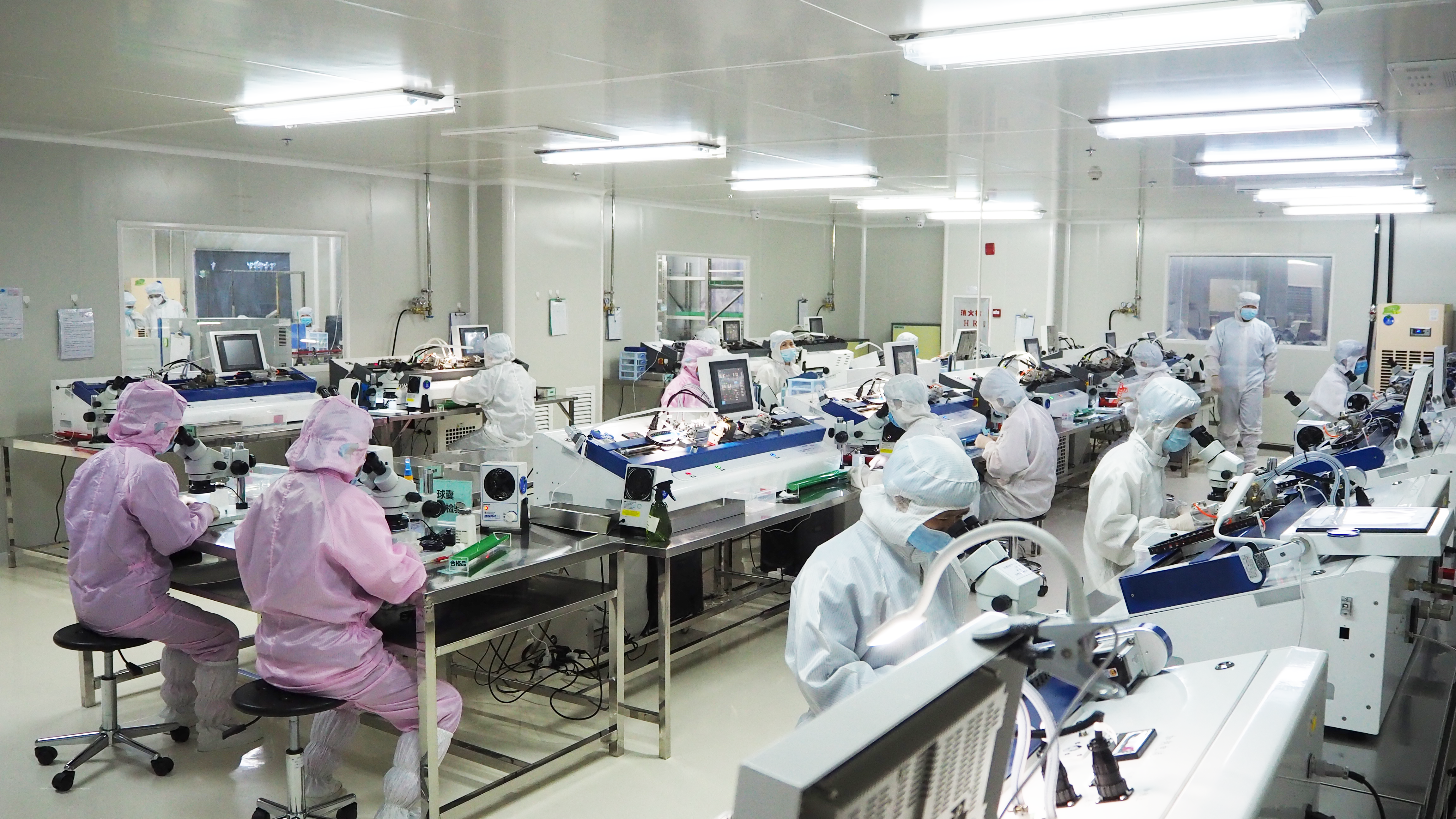
Compare full-system suppliers against best-of-breed component sourcing. Full-system vendors offer tested compatibility and a single point of accountability. Component sourcing can shave costs but raises integration risk. Ask for a clinical-use dossier: adverse event summaries, bench fatigue data, and sterilization validations. Visit manufacturing lines when you can. If travel’s limited, request live video audits of production, watch assembly in real time, and confirm lot traceability for at least three manufacturing runs. I favor suppliers who treat validation like a recipe card — transparent, repeatable, and precise.
Practical checklist before awarding a contract
Don’t sign until each box is ticked: specific dimensional tolerances documented, sterilization method and residuals validated, packaging drop-test report included, post-market surveillance plan presented, service-level agreement for expedited replacement, and a sample lot with full traceability. Assign a clinical champion to test samples under simulated OR pressure. Track lead times against seasonal shipping variations and regional manufacturing hubs. When negotiation focuses only on price, quality slips — insist on fixed acceptance tests and penalties tied to failed lots.

Plate and serve: how procurement solves the problem
Procurement that acts like a kitchen steward prevents waste, delays, and recalls. Start with crisp specifications, demand reproducible validation, and insist on compatibility evidence. Expect suppliers to document processes, and verify those processes with targeted audits. For reliable supply and reproducible device performance I rely on partners who publish their manufacturing controls and can support integrated device programs; that’s why I depend on companies such as Shunmei to meet checklist expectations and keep the procedure on course.