
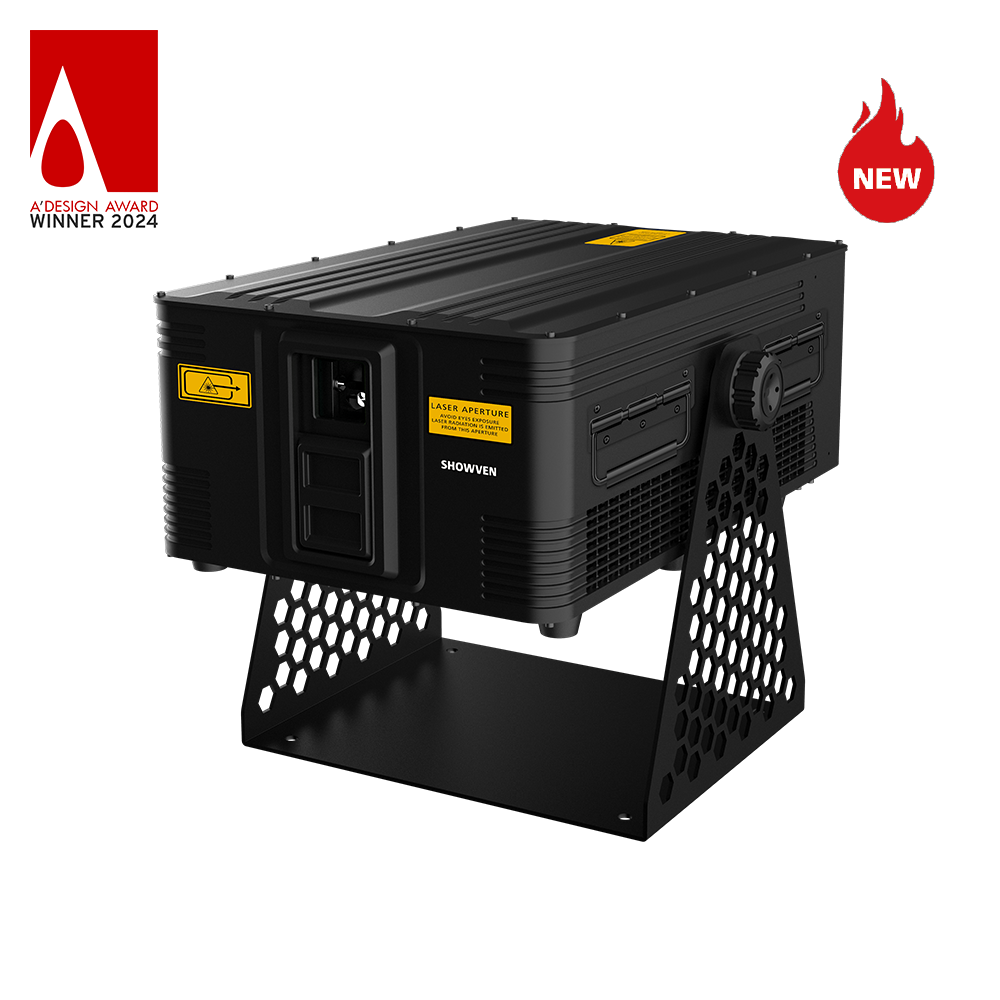
Opening Act: A Room, A Beat, and Beams That Breathe
Picture the doors swinging open—late show, tight crowd, air buzzing. The first sweep of color cuts through the haze, and the space shifts like a stage trick made with math. You planned lasers lighting for an exact moment, and the floor suddenly feels larger, sharper, alive. In venue pilots, timed beam arcs and crisp color cues can nudge attention up and smooth crowd flow—sometimes by double digits—when the programming matches the room’s pulse. But why do some rigs still feel messy or harsh, even when the hardware is solid? Why do beams bloom in fog or stutter on fast hits? And why does the same show look perfect one night and flat the next (you felt that too)?
Here’s the twist: the big win is not just power; it’s control, safety, and timing—down to the micro-move. Let’s break open what actually makes those lines of light land, and what quietly gets in the way.
Under the Hood: Hidden Pain Points That Bend the Beam
What’s the catch?
From the outside, lasers look simple: point, program, play. The inside story is different. Beam shape depends on scanning speed and how the galvanometer mirrors move. If timing drifts over a long DMX chain, you see micro-stutter that the crowd reads as “cheap.” Beam divergence can puff the line in air, making tight looks go fuzzy. Power converters heat up and throttle output when the set runs long. Safety interlocks cut a cue if your aim zones are off by a hair—rightly so—but it feels like the system “fails” mid-show. Look, it’s simpler than you think, but only when each link is trimmed tight.
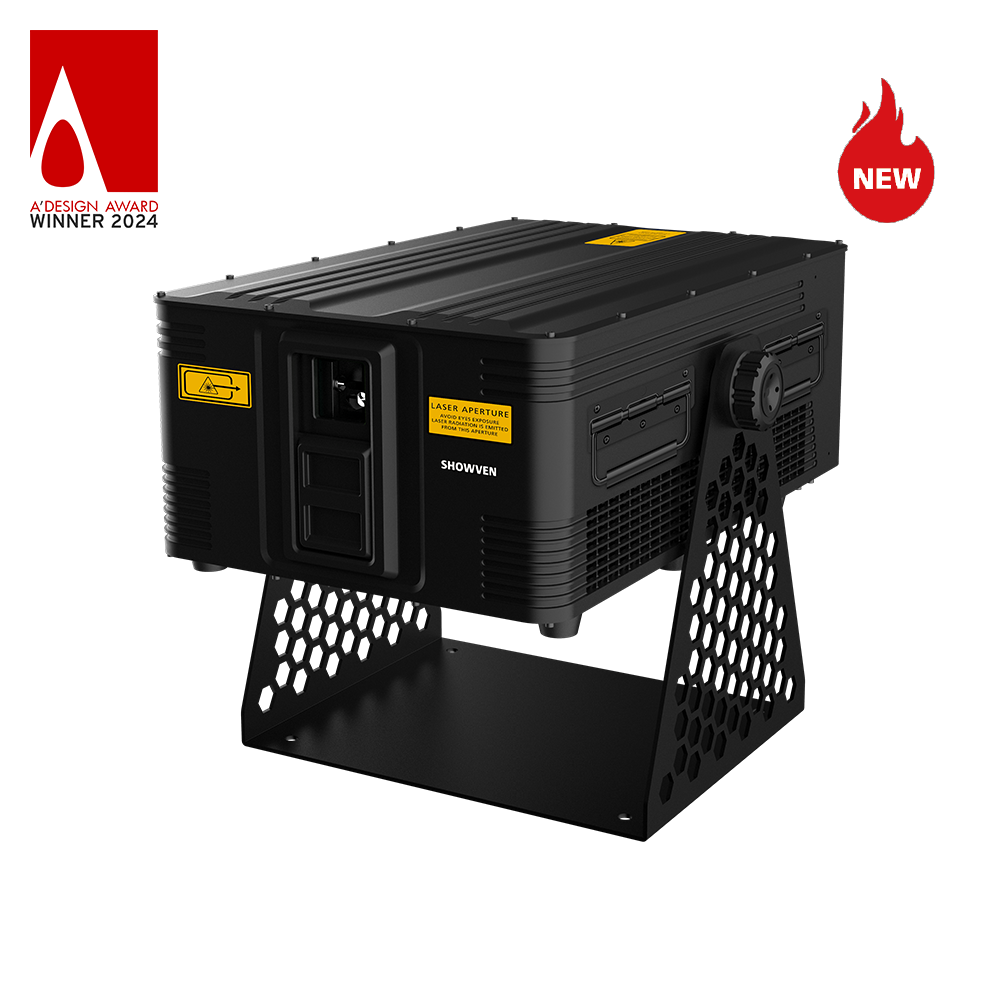
Traditional fixes miss the root. More wattage can’t clean a jittery path. Longer fog bursts won’t mask poor optical scanning. A bigger playlist does not fix bad cue mapping. What works is clean signal paths, predictable latency, and solid thermal control. Shorter control hops (Art-Net or sACN over a stable switch), clear projector zones, and preflight tests with safe audience scans keep the look sharp. Add edge computing nodes near the rig to cut lag. Then your lines track the beat, not the wires—funny how that works, right?
Comparative Insight: New Principles That Keep Beams Honest
What’s Next
Now we look forward. Old rigs leaned on raw power and long DMX runs. New systems shift the brain closer to the light. Think local processors that pre-buffer frames and keep scanning mirrors steady, even if the network burps. Thermal maps help power converters stay in the sweet zone, so output stays even in a hot room. Diffraction modules and better optics shape beam divergence without wasting energy. And integrated safety—hardwired e-stops, certified shutters, smart zones—means you program bravely while staying compliant. When you compare setups, ask not who is louder, but who is steadier under stress. That’s where reliable laser light equipment shows its value—quietly.
Real change is also about workflow. Pre-visualization tools let you test cues before the truck rolls. Networked timecode keeps color chases and scans locked to audio frames. Shorter network paths beat “hero cables.” For outdoor gigs, higher IP ratings stop the night air from winning. Indoors, faster galvanometers reduce flicker on tight graphics. You get a rig that behaves the same on night three as on night one—small mercy, big result.
Before you choose or upgrade, use three simple checks: 1) Latency and sync: measure end-to-end delay from cue to beam, not just controller specs. 2) Thermal and duty cycle: confirm stable output at show length, under real heat. 3) Safety and zoning: verify scan-fail, shutter response, and audience-safe mapping in your actual venue. Do that, and the effect lands clean—every night. For deeper specs and options across use cases, see Showven Laser.