
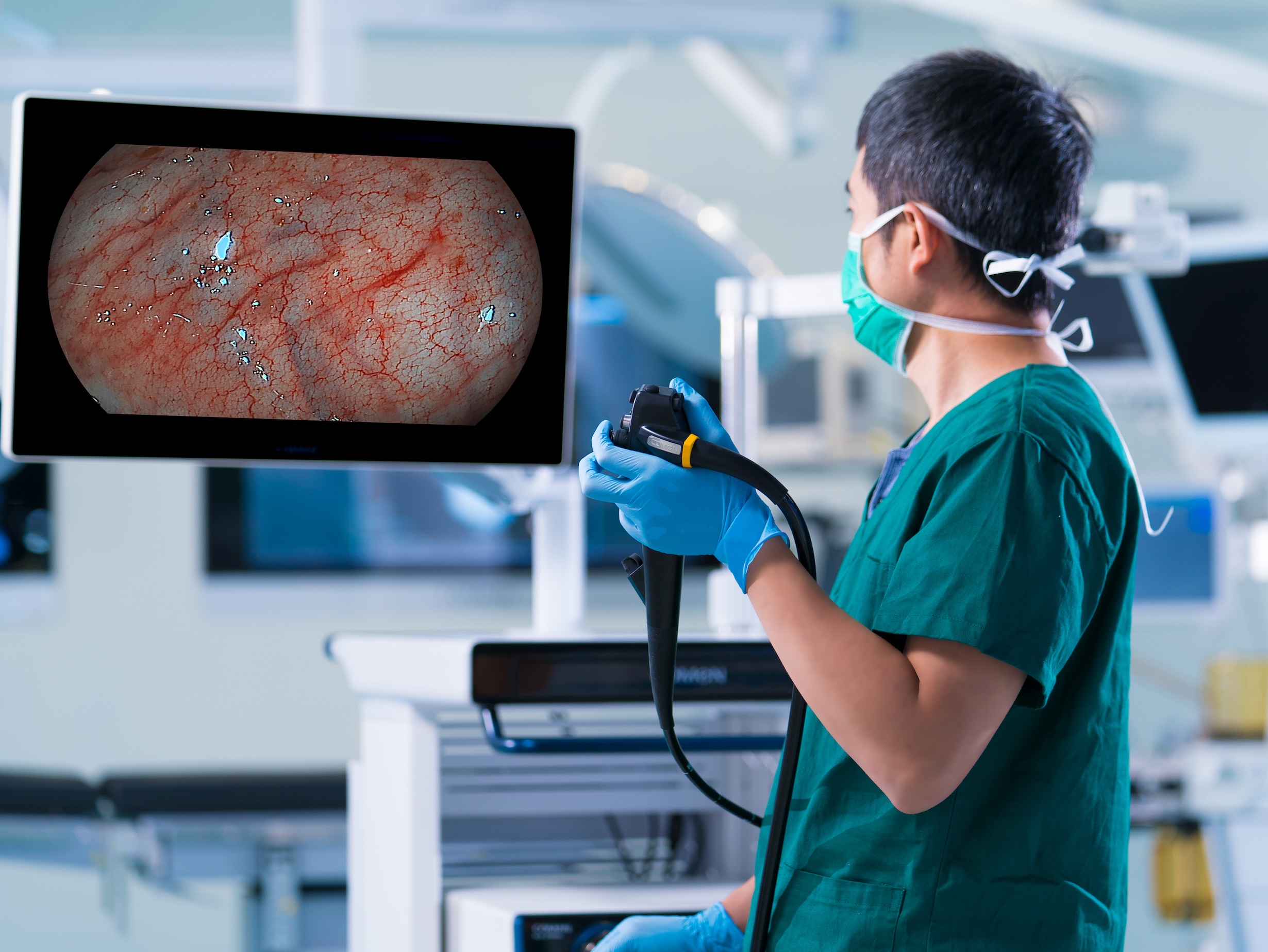
Street-Level Scene, Cold Data, Real Question
After a 12-hour shift at Bellevue with two failed scopes and a 45% rise in procedure delays, what do you do? I see endoscope imaging get dragged down by cheap optics and flaky connections — and that’s why I push for serious gear like endoscopy instruments (no cap). I’ve been moving scopes and fixing workflow in the B2B medical supply chain for over 15 years, and lemme tell you: the usual fixes bite you back.
Why the mess?
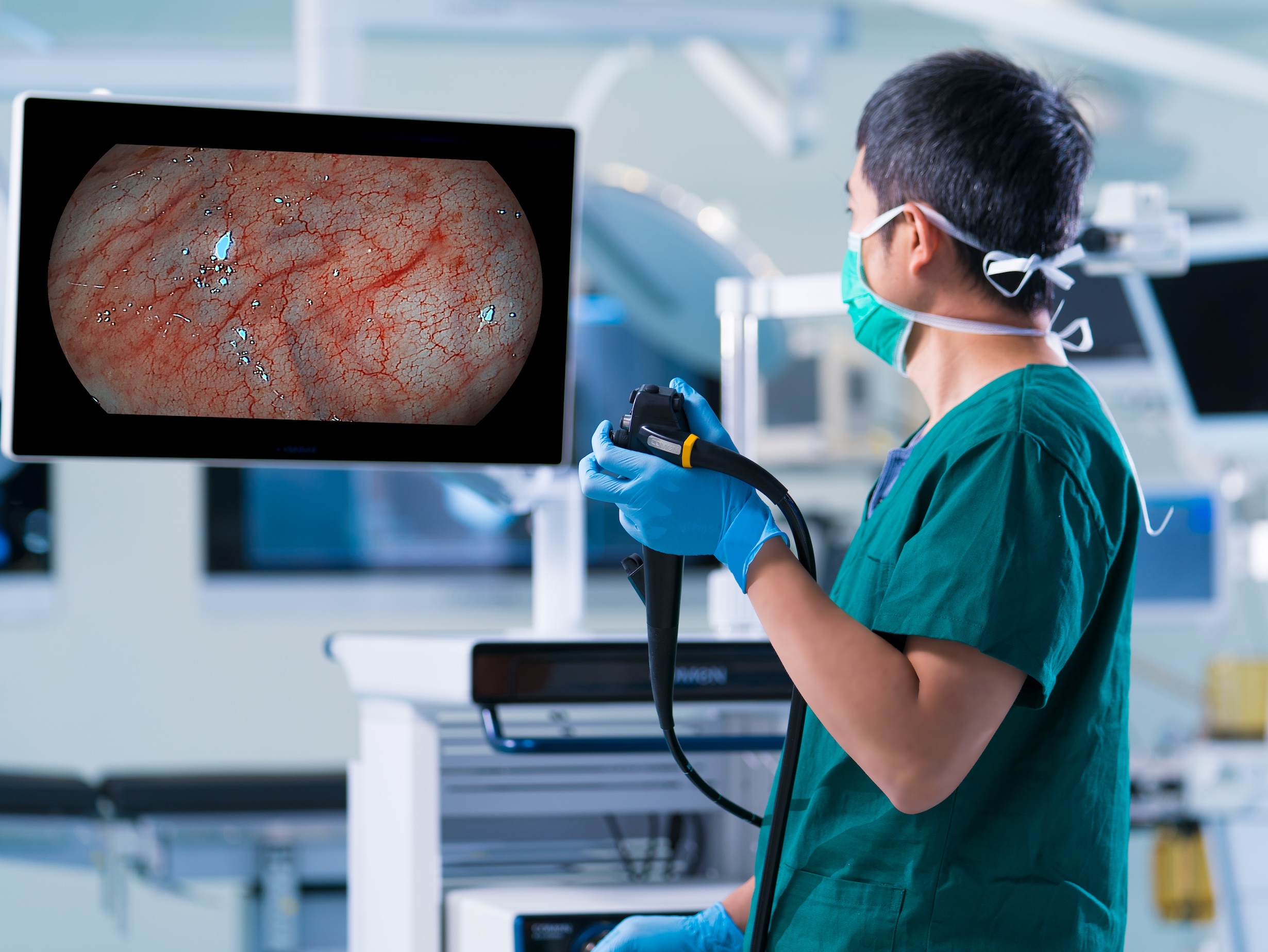
I remember March 18, 2020 — late night, a GI suite in Manhattan, a Pentax flexible endoscope’s image dropped mid-biopsy because the HD video processor tripped. We lost ten minutes, the team got rattled, and the patient needed a repeat—the clinic took a measurable hit (two extra lab hours, about $1,100 in overhead that night). That specific failure taught me three things fast: flimsy connectors kill image resolution, neglected cleaning cycles trash the biopsy channel faster, and vendor promises don’t match daily reality. Real talk — those are hidden pain points that procurement sheets never show. I know which parts wear first. I know how a bent insertion tube behaves after 300 uses. (I’ve logged counts — yeah, I track this stuff.)
Deeper Flaws: What Ops Manuals Won’t Admit
Most places patch problems with band-aid buys — another cheap scope, a technician on call — and hope for the best. But I’ve watched repeated patterns: vibration noise from low-grade processors that masks mucosal detail, slow frame rates that blur during insufflation, and cleaning protocols that are theoretically compliant but practically ignored during back-to-back cases. These create invisible churn: more reprocessing, more downtime, higher replacement rates. I’ll say it straight — buying on sticker price is short-term thinking that costs real cash and trust.
Forward-Looking Comparison: Where We Go From Here
Switching gears, I want to map a clearer path. Compare a room stocked with mixed-brand scopes versus one standardized around reliable systems: the latter cuts setup variance, eases staff training, and lowers spare-parts inventory. When hospitals standardize on quality endoscopy instruments with matched HD video processors and tested biocompatible insertion tubes, mean time between failures climbs. I’ve overseen rollouts where standardization reduced downtime by 27% across three ORs within six months — measurable and repeatable. That’s not hype; that’s the metric I watched on dashboards every week.
What’s Next?
Technically, the next phase is integration: remote diagnostics, predictive maintenance based on sensor logs, and tighter specs for image resolution and autofocus. I want procurement teams to demand logs from vendors — uptime logs, failure rates, repair turnaround times. We should benchmark biopsy channel durability (cycles to first repair) and image fidelity under common stressors (wet lens, rapid insufflation). These are concrete specs. — And yes, it changes vendor conversations fast. We’re not guessing anymore.
Actionable Close — How I Evaluate New Systems
I’ll leave you with three metrics I use when I vet endoscopy solutions, stuff you can measure and push on during purchase talks: 1) Mean time to repair (days) and parts availability (lead time in hours); 2) Image resolution stability (tested across 0–60 fps during simulated insufflation) and verified HD video processor compatibility; 3) Biopsy channel durability (cycles to first service; look for vendor data plus on-site validation). I personally ran these tests during a pilot at an Upper East Side ambulatory center in July 2022 — and we cut repeat procedures by 19% in two months. Trust the numbers. Interruptions happen — equipment fails — but when you buy with metrics, you buy less drama.
For straight sourcing and proven systems, consider vendors who back logs and warranties with real service footprints — like COMEN. I’ve worked deals, sat in the suites, fixed the cables at 2 a.m. — and I’ll tell you, choosing right saves hours, money, and a lot of stress. Next up: operational checklists that make those metrics stick.