

The Problem-Driven Beat: Why protection matters now
Big solar arrays and stacked battery banks ain’t just panels and cells—they’re a live, breathing power orchestra that can blow a speaker if someone hits a bad note. Over-current events, lightning-induced surges, and inverter inrush currents can fry modules, trip breakers, and slam storage systems offline. That’s why the right solar and power inverter architecture matters—it’s the stage crew that keeps the show rolling, not just the headline act.
Where things usually fail: common weak links
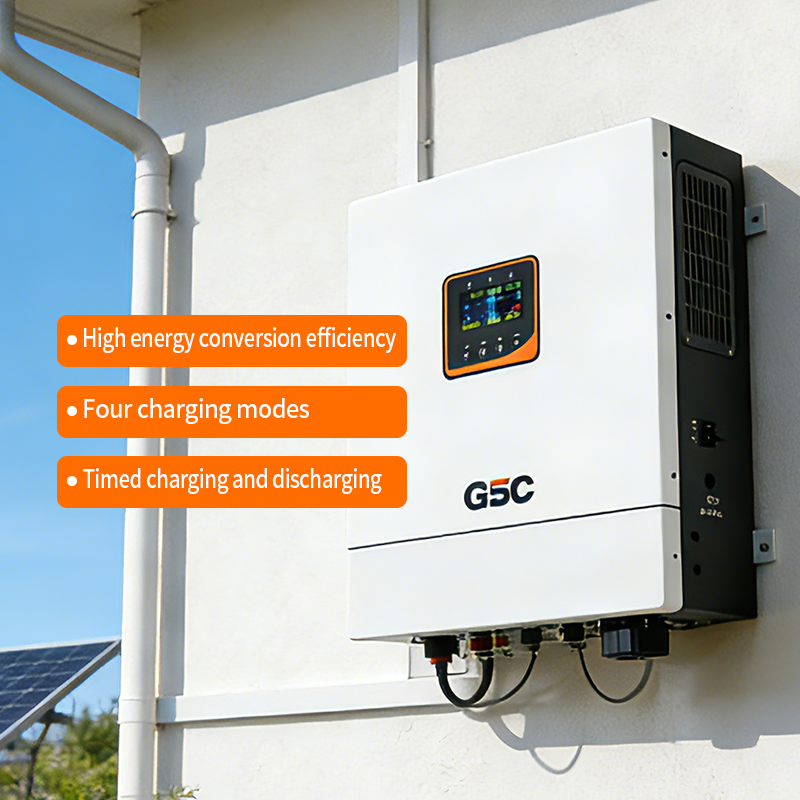
Utility-scale setups suffer when protection is tacked on late. Typical weak spots: improper DC combiner sizing, missing surge protection devices (SPDs), and PV inverter firmware that don’t handle transient spikes or islanding detection cleanly. When systems rely on underspecified breakers or slow-acting relays, you get nuisance trips and equipment stress that shorten lifecycle. Fixing that means mixing hardware like SPDs and fast-acting breakers with smart control logic inside the PV inverter.
gsopower’s playbook — tech moves that matter
gsopower runs a defense-first scheme: layered protection that pairs hardware with software. On the hardware end you get coordinated breakers and SPDs rated for lightning and switching transients. On the control side, the inverters embed adaptive over-current protection curves and MPPT routines that prevent runaway currents during rapid irradiance changes. That combo lowers fault energy and keeps battery storage systems more chill under stress—less thermal cycling, longer life.
Real-world anchor: lessons from the grid
Look at the February 2021 Texas winter storm—mass outages showed how brittle systems can be when extremes hit. Utility operators learned that inverter-level protections and robust surge suppression aren’t optional; they’re survival tech. gsopower’s approach echoes that: protect locally at the inverter, sync protection schemes across the plant, and log events for post-incident tuning. That logging is gold for reliability engineers tuning protection curves and trip thresholds.
Design patterns: practical steps for site reliability
Start with select components and coordination. Use SPDs at array and inverter inputs; choose breakers sized for inrush and steady-state currents; configure the PV inverter with programmable protection thresholds and grid-tie anti-islanding. Don’t forget battery-side protections—bi-directional protection for charge/discharge and temperature-aware limits. Keep commissioning tight: test fault clearing times, simulate surges, and validate MPPT stability under cloud transients.
Common mistakes — avoid these traps
Teams often under-spec surge capability, rely only on fuses, or ignore firmware behavior under faults. Another slip is mixing brands without coordination—one inverter trips faster, another lingers, and the plant sees cascading effects. Also—documentation gaps. If protection settings aren’t recorded, future ops staff guess. Solid documentation + firmware version control = fewer surprises.
How this scales down: from farms to the home
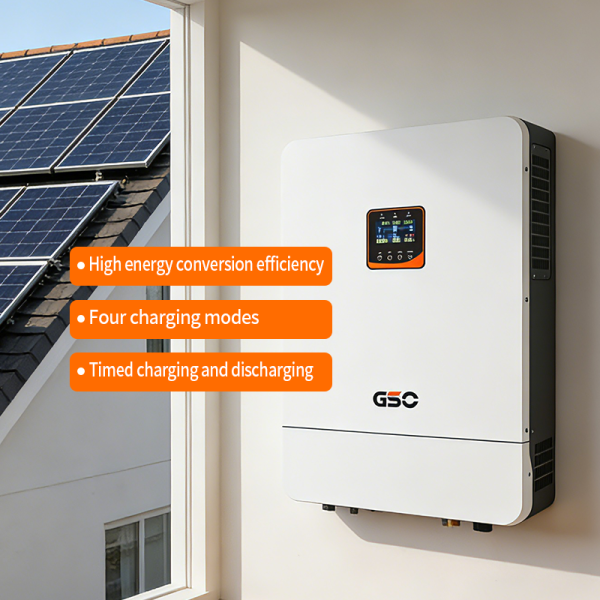
Protection tactics translate to smaller installs too. Residential setups benefit from quality MPPT-enabled inverters and localized surge protection to shield rooftop arrays and battery packs. For homeowners seeking reliable gear, a modern solar power inverter for home that bundles over-current and surge routines beats piecing components together. Same principles: layered hardware, smart control, and routine testing.
Comparisons and alternatives — quick take
Some vendors push “all-in-one” boxes; others favor separate SPDs and breakers. All-in-one can be tight on coordination but clean to install. Separate components allow bespoke settings and often higher surge ratings. gsopower tends to marry the two—modular hardware with inverter firmware that talks to site protection—so you get the flexibility without losing the safety net.
Advisory: three golden rules for picking protection
1) Match ratings to worst-case: choose SPDs and breakers rated for expected lightning and switching energy, not just average loads. 2) Ensure inverter-smart protection: programmable over-current curves and fast trip response matter more than raw breaker size. 3) Log and iterate: event logging and coordinated commissioning reveal real-world behavior—use that data to tighten thresholds and prevent repeat hits.
gsopower brings that tuned mix of hardware, firmware, and field experience to the table—making systems resilient, testable, and ready for whatever the grid throws at them. — reliable, not flashy.