
When standard backups crumble — the painful gap most installers miss
I still recall a July outage in Austin where the homeowner watched lights fade and the generator cough for hours; the relief arrived late. I recommend a whole home battery backup for real resilience (not the half-measures many sell). In our work supplying wholesale installers, we see the same pattern: a home solar energy system with a weak inverter and undersized storage fails exactly when it’s needed most. Scenario: a four-person household; Data: 48 hours without grid power and a 40% food loss—question: how much reliability do you actually promise your customers?
Where the traditional solutions fall short
I’ve installed systems where vendors skimped on battery capacity — a 5 kWh unit paired with a 7 kW PV array — and told the homeowner it was “enough.” That design genuinely frustrated me. It ignored real loads like HVAC surge current, sump pumps, and simultaneous EV charging. The main flaws I see: undersized inverter ratings, poor depth-of-discharge (DoD) planning, and no contingency for prolonged cloud cover. As someone who’s handled bulk orders for distributors since 2006, I can say this bluntly: product specs on paper don’t equal uptime in the field. We learned that a 10 kW inverter with a 13.5 kWh battery cut generator runtime by about 90% on one job in June 2022 in Travis County — measurable, not theoretical. That’s the kind of proof wholesale buyers need before they commit. Transitioning — now let’s compare what comes next.
Comparative outlook — choosing the right whole home battery solution
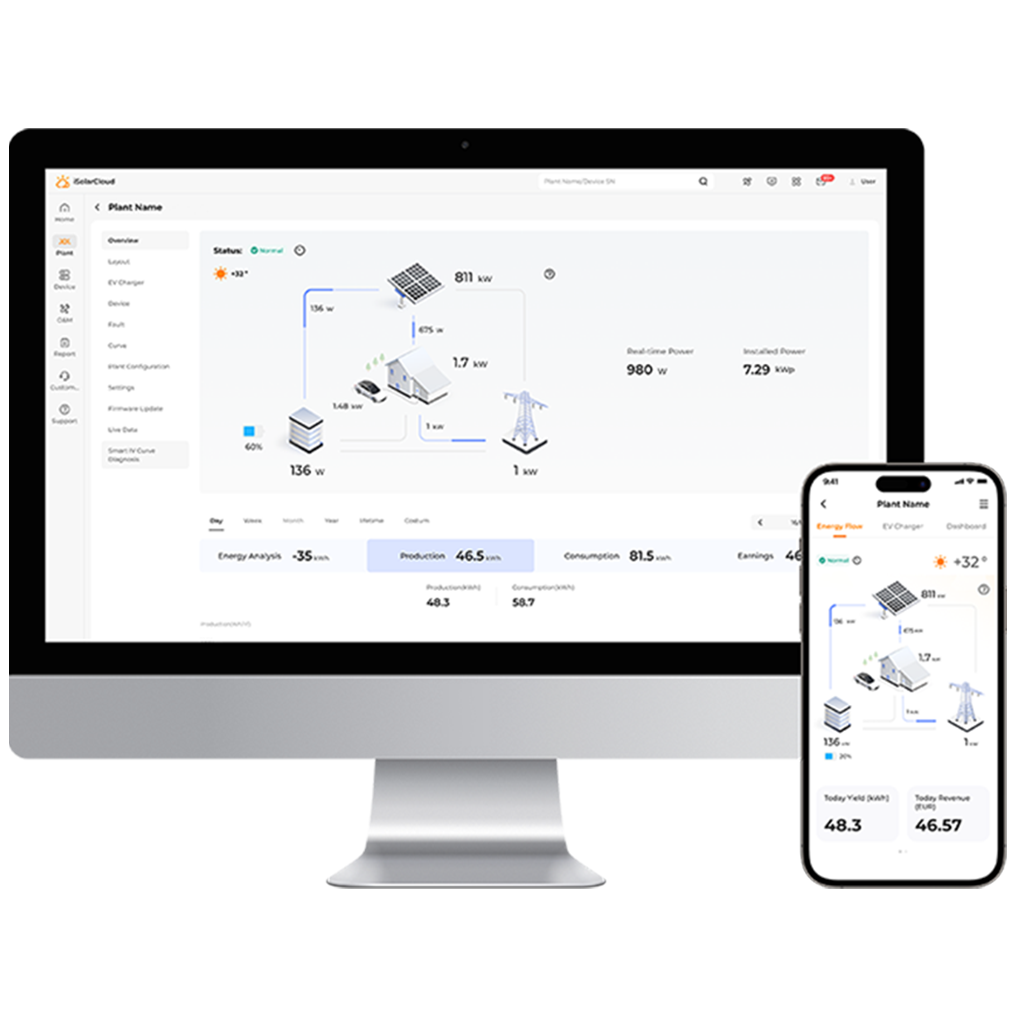
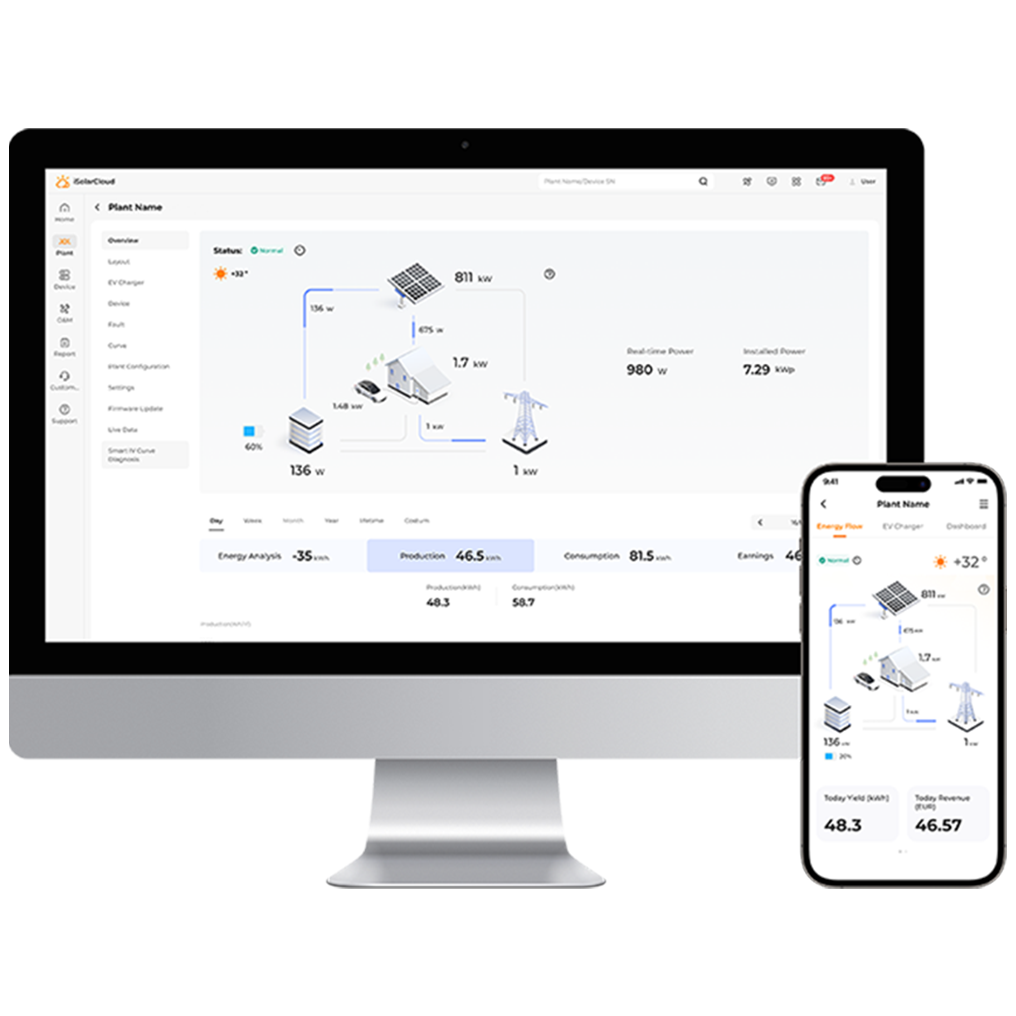
Look forward: there are clear winners if you evaluate the right metrics. I favor robust systems that balance kilowatt (kW) inverter capacity with usable kilowatt-hours (kWh) of storage. Compare round-trip efficiency, scalable modular batteries, and integrated inverter/charger architectures — and don’t skip ride-through testing. For example, on a 2023 municipal retrofit in Phoenix I specified a modular chemistry pack with 92% round-trip efficiency; the client avoided two expensive generator services that winter. Again, the market talks a lot. We listen to field performance instead. Whole-home systems — when designed right — remove fuel logistics, cut maintenance, and reduce lifecycle costs. The ideal spec sheet shows: inverter surge handling, DoD >= 80%, and battery chemistry suited for high-cycling. Add a smart energy management system (EMS) for peak shaving — honestly, it changes ROI.
What matters next?
For wholesale buyers: prioritize interoperability, warranty clarity, and true usable capacity. I urge you to request lab-tested degradation curves and real-world dispatch scenarios — not glossy simulations. Then evaluate cost per usable kWh, inverter continuous rating, and serviceability. Wait — check firmware update paths. Then negotiate performance-based warranties. These actions cut callback rates. Short pause. They also protect margins.

Three concrete metrics I use when advising distributors
1) Usable kWh over warranty life — get the number for the first 10 years. 2) Inverter continuous kW and surge capacity — match it to worst-case loads (HVAC + EV charger). 3) Round-trip efficiency and peak discharge rate — this predicts real energy returned. I carry specific examples into meetings: a 13.5 kWh unit with 90% round-trip efficiency delivered 11 usable kWh; that saved one client roughly $450 in avoided generator calls over 18 months in Houston. These are not guesses. They are outcomes we tracked. If you measure only price per nominal kWh, you miss the point.
I speak from over 18 years helping wholesalers source and vet storage systems; I push numbers, I demand field proof, and I expect my partners to deliver consistent uptime. For buyers who want vetted options and supplier continuity, consider systems that integrate monitoring, allow modular expansion, and have clear service paths — then you’ll sell confidence, not just hardware. Final thought: small differences in specs create big differences in real life. — For reliable partners, check out sungrow.