
Why virtual cards matter now
Virtual cards cut the noise and keep your real card details off the web. When you sign up or manage spending with didi finanzas, you’re choosing a model that isolates each transaction via a temporary number — a simple but powerful defense against card cloning and merchant leaks. Real-world incidents like the 2021 Colonial Pipeline cyberattack showed how quickly digital systems can be disrupted; payments systems are in the crosshairs, and virtual cards are one practical countermeasure.
Core security features to look for
Not all virtual card offerings are equal. Look for tokenization and encryption as baseline technical controls. Tokenization replaces a card number with a one-time token; encryption protects data in transit and at rest. Two-factor authentication (2FA) prevents account takeover, while PCI DSS alignment signals audited handling of cardholder data. Also check for real-time alerts and merchant controls — they let you pause, block, or limit categories without calling support.
How DiDi Finanzas puts filters to work
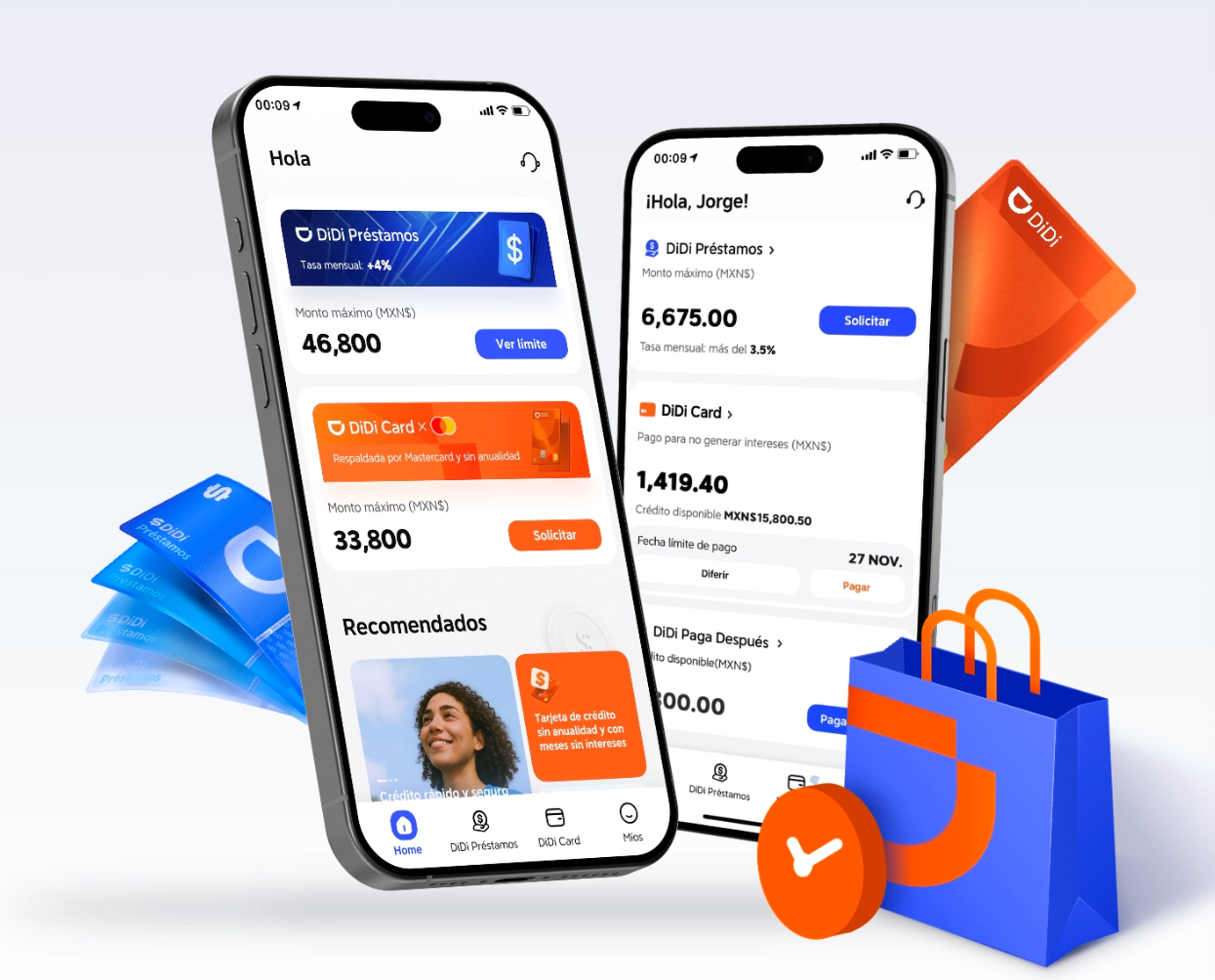
DiDi Finanzas combines spend controls, merchant whitelists, and instant alerts so each virtual card behaves the way you need it to. You can create a card dedicated to subscriptions, cap monthly spend, or lock it to a single merchant. Fraud monitoring runs behind the scenes, flagging unusual patterns so you’re not the first to notice a problem.
Those controls matter because fraud often stems from simple mistakes — reused numbers, or overshared details. DiDi Finanzas layers tokenization and encryption with user-friendly controls so security doesn’t feel like a chore. — It’s the difference between reacting after a charge and preventing the charge in the first place.
Common mistakes people still make
People assume a virtual card makes them invincible. It doesn’t. Common slip-ups include: using weak account credentials, failing to enable 2FA, creating a single virtual card for every purpose, and ignoring alerts. Another mistake is trusting merchant security blindly; even reputable stores can suffer breaches. Keep separate cards for subscriptions, one-off purchases, and peer-to-peer transfers, and review activity weekly. Small habit changes reduce risk more than one-off security theater.
Practical checks before you trust a provider
Before committing, verify transparency and controls. Confirm whether the provider supports instant lock/unlock, per-card spend caps, and per-merchant restrictions. Check logged incidents and how the company communicated during any breach — response time matters. If a platform publishes third-party audit summaries or compliance attestations, that’s a good sign.
For users asking whether the platform is trustworthy, resources and community feedback help. Also see how the provider communicates privacy and incident policies — clear, plain-language statements beat vague legalese. For context on reputation, many users reference didi finanzas es confiable when evaluating these exact criteria.
Three golden metrics to judge a virtual-card solution
1) Security Coverage: Does the service use tokenization, encryption, and enforce two-factor authentication? These are baseline protections you shouldn’t compromise on.
2) Control and Visibility: Can you spin up and retire cards instantly, set spend caps, and get real-time alerts? Practical control reduces exposure immediately.
3) Incident Response & Transparency: How fast does the company detect and notify you? Do they publish post-incident summaries or compliance reports? Speed and openness define trust.
Closing
When you match clear controls to daily habits — separate cards, limits, alerts — you make fraud harder and life simpler. DiDi Finanzas fits that pattern: security features that map to real use, not just checkboxes. Clear, controlled, confident.